

This post may contain affiliate links. Please read our disclosure policy.
Planning a trip to Kyushu? This guide breaks down 5-day, 7-day, and 10-day itineraries based on real experience traveling the island by both public transport and rental car, so you can find the route that fits your time, style, and interests.
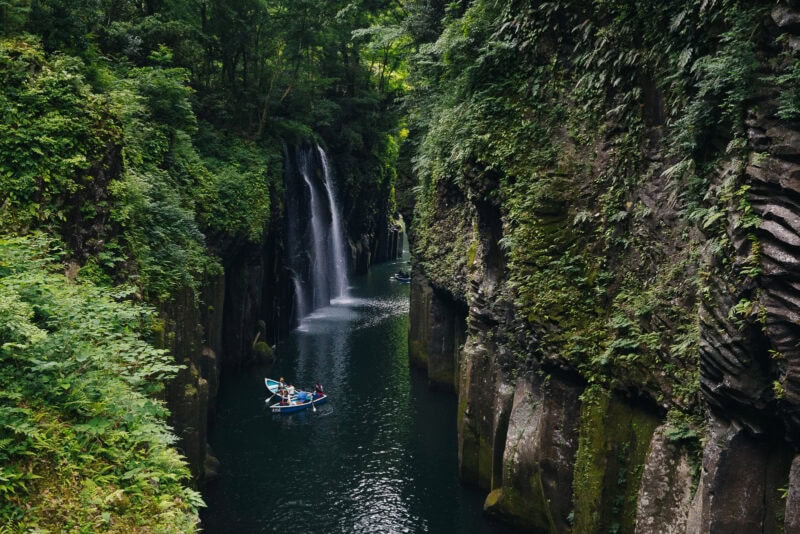
Most first-time trips to Kyushu start in Fukuoka and move south through Kumamoto, Aso, Kagoshima, and Miyazaki. This reduces backtracking and keeps travel days manageable. The itineraries below follow that logic. I have traveled Kyushu extensively by both train and car, and each route reflects how I would actually structure the trip today.
Why Visit Kyushu?
Kyushu is Japan’s third-largest island. It packs in lively cities, active volcanoes, world-class onsen towns, historic sites, and subtropical coastlines within a single trip. You can explore Fukuoka’s food scene, soak in the hot springs of Beppu and Kurokawa, hike around Mount Aso, visit Nagasaki’s international history, and experience the dramatic southern landscapes of Kagoshima and Miyazaki.
Compared to other parts of Japan, Kyushu also feels less crowded. Once you move beyond the major cities, the island reveals a quieter, more local side that is genuinely difficult to find elsewhere in Japan.
Table of Contents
Things to Know Before Planning Your Kyushu Itinerary
Best Time to Visit Kyushu
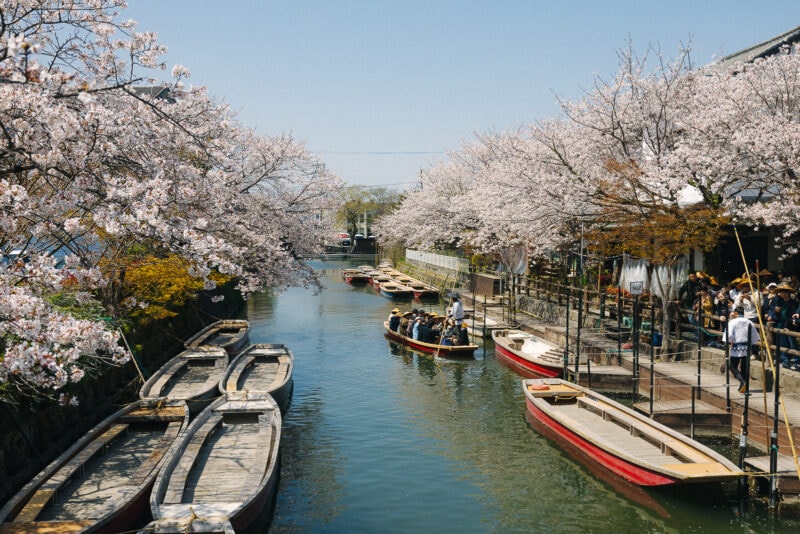
- Spring (March–May): Cherry blossoms and mild weather make this the most comfortable season for travel.
- Summer (June–August): Hot, humid, and rainy, especially during tsuyu (rainy season) in June and July. Manageable with the right preparation.
- Autumn (October–mid-December): Comfortable temperatures and beautiful foliage. One of the best seasons to visit.
- Winter (December–February): Quieter and ideal for onsen trips. Cold but rarely snowy, except at higher elevations.
Is Public Transport Enough?
Public transport works well in major cities. Fukuoka, Nagasaki, Kumamoto, Beppu, Kagoshima, and Miyazaki are all easily reached by train or bus. Once you move into rural areas, it becomes limited.
Places like Aso, Takachiho, Kirishima, and smaller onsen towns are difficult to explore efficiently without a car.
Should You Rent a Car?
I generally recommend renting a car for itineraries longer than a week. Part of Kyushu’s charm is the journey itself: winding mountain roads, coastal drives, and countryside scenery between destinations. For shorter city-focused trips, trains are usually easier. As a general rule:
- 5 days: Mostly public transport
- 7 days: Combination of trains and rental car
- 10+ days: Rental car strongly recommended
JR Passes for Kyushu
Kyushu offers several regional rail passes that often deliver better value than the nationwide JR Pass. The Northern Kyushu Pass covers Fukuoka, Nagasaki, Kumamoto, Beppu, and Yufuin. The All Kyushu Pass extends to the south, including Kagoshima and Miyazaki.
Before buying any pass, calculate your total individual ticket costs first. Depending on your route, buying separate tickets can sometimes be cheaper.
How to Get to Kyushu
- From Tokyo: Fly to Fukuoka Airport (about 2 hours) or take the Shinkansen to Hakata Station (about 5 hours).
- From Osaka or Kyoto: The Sanyo Shinkansen connects directly to Hakata Station (about 2.5–3 hours from Osaka, about 3 hours from Kyoto).
- By air: Kyushu has airports in Fukuoka, Kumamoto, Nagasaki, Miyazaki, Kagoshima, and Oita, making multi-city routes easier to plan.
- By ferry: Long-distance ferries connect Kyushu to Osaka and Kobe, offering a slower, scenic alternative.
For most first-time visitors, flying into Fukuoka Airport is the easiest entry point. If possible, fly in and out of different cities to reduce backtracking. Arriving in Fukuoka and departing from Kagoshima works particularly well.
How Many Days Do You Need in Kyushu?
- 5 days: Enough for northern Kyushu highlights and major cities
- 7 days: The best balance for first-time visitors
- 10 days: Enough time to explore both northern and southern Kyushu at a comfortable pace
5-Day Kyushu Itinerary
This route works best for travelers using Kyushu’s rail network. It prioritizes major cities and famous attractions. Consider purchasing the 5-day JR Northern Kyushu Pass once you’ve planned your route.
Best for: First-time visitors adding Kyushu onto a larger Japan trip, travelers without a rental car, and those short on time.
Day 1: Fukuoka
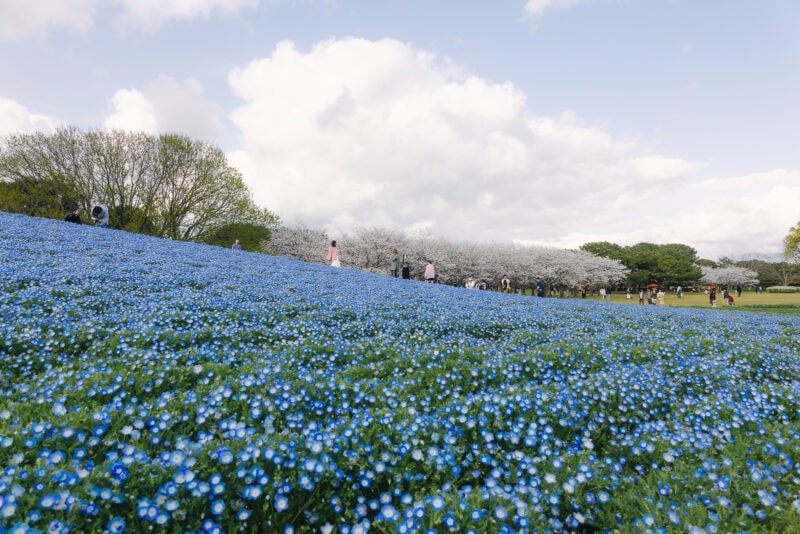
Explore landmarks like Fukuoka Tower and Dazaifu Tenmangu Shrine. For nature, take a short ferry ride to Uminonakamichi Seaside Park, or browse Canal City Hakata. End the day with tonkotsu ramen, mentaiko, and a seat at one of the city’s famous yatai food stalls.
Day 2: Nagasaki
Travel time: About 1 hour and 20 minutes by train
Head to Nagasaki and explore its international history at Glover Garden and Dejima. Visit Peace Park and the Atomic Bomb Museum. Finish the evening at Mount Inasa for one of Japan’s best night views.
Day 3: Kumamoto
Travel time: About 1 hour and 40 minutes by train
Visit Kumamoto Castle and stroll through Suizenji Garden. Try Kumamoto ramen for lunch. If time allows, stop by Sakuranobaba Josaien for local food and souvenirs.
Day 4: Beppu
Travel time: About 2 hours and 45 minutes by train
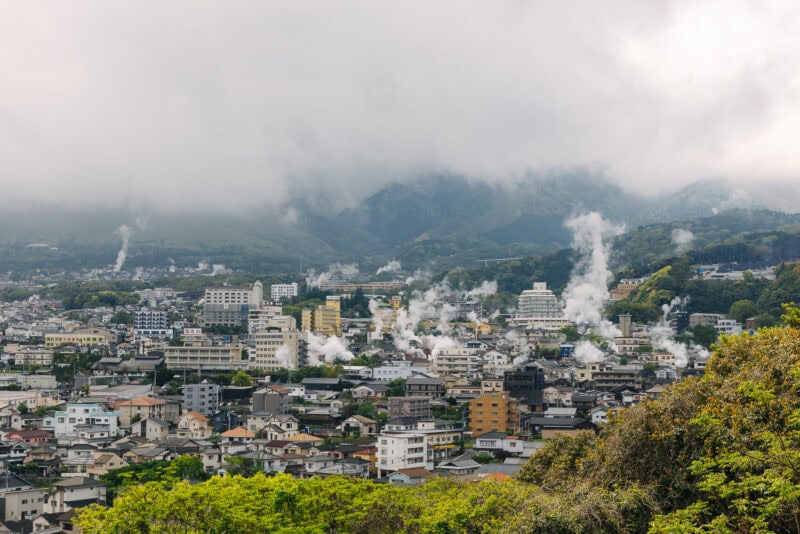
Explore Beppu’s iconic Jigoku Meguri hot spring areas. Spend the evening in a traditional ryokan with onsen baths and a kaiseki dinner.
Day 5: Fukuoka
Travel time: About 2 hours and 20 minutes by train
Return to Fukuoka for last-minute shopping in Hakata or Tenjin. If your flight is later in the day, revisit anything you missed on Day 1.
This is a solid introduction to Kyushu. If it feels too rushed, drop Nagasaki, Kumamoto, or Beppu and spend an extra day in Fukuoka for a slower, food-focused pace.
7-Day Kyushu Itinerary
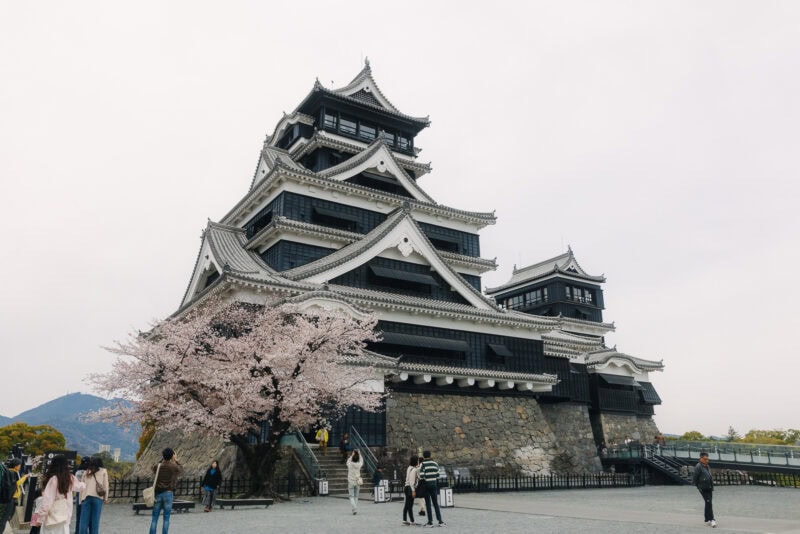
This is the route I recommend for most first-time visitors. It builds on the 5-day route by adding time for volcanic scenery and onsen towns, without constantly rushing between destinations.
Best for: Travelers wanting a mix of cities and nature, those considering a partial car rental, and anyone looking for a balanced pace.
Days 1–2: Fukuoka
Take two full days to explore Fukuoka’s food scene, shopping districts, and cultural sites, including Dazaifu Tenmangu Shrine.
Day 3: Kumamoto
Travel time: About 50 minutes by Shinkansen
Visit Kumamoto Castle and Sakuranobaba Josaien before exploring Suizenji Garden in the afternoon.
Day 4: Mount Aso and Kurokawa Onsen
Travel time: About 50 minutes by car from Kumamoto
Pick up a rental car in Kumamoto for the second half of the trip. Drive through the volcanic landscapes of Mount Aso in the morning. Wind down in Kurokawa Onsen in the evening, one of Kyushu’s most beloved hot spring towns.
Days 5–6: Beppu and Yufuin
Travel time: About 1 hour and 20 minutes by car from Kurokawa
Spend two days based in Beppu. Tour the Jigoku Meguri hot spring sites and take a day trip to Yufuin for mountain scenery, charming shopping streets, and good cafes.
Day 7: Return to Fukuoka or Kumamoto
Travel time: About 2 hours and 45 minutes by car
Drive back to Kumamoto, return the car, and fly from Kumamoto Airport. Alternatively, take the Shinkansen back to Fukuoka depending on your departure plans.
10-Day Kyushu Itinerary
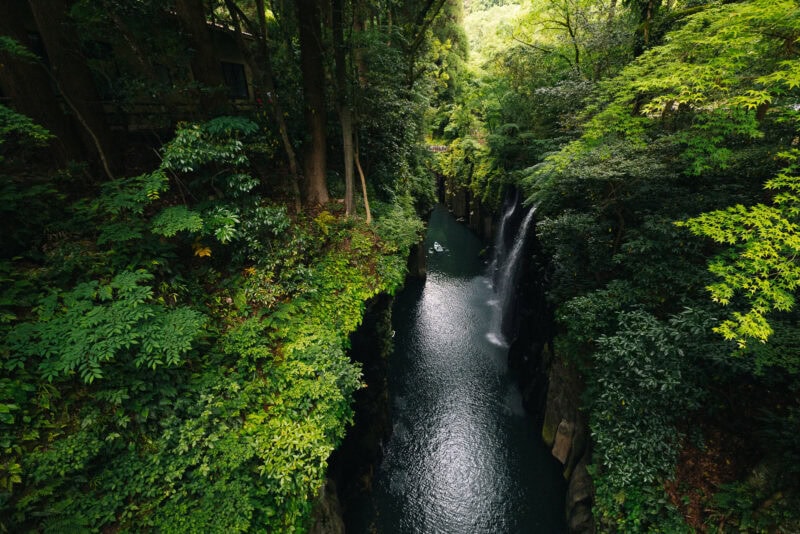
This route is for travelers who want a proper Kyushu road trip covering both the north and south. Ten days gives you enough time to see the major highlights without moving every single day.
Best for: First-time visitors wanting a comprehensive trip, nature and onsen enthusiasts, and anyone planning to rent a car and drive the island.
Days 1–2: Fukuoka
Spend two days exploring Fukuoka’s parks, shrines, shopping districts, and yatai food stall culture.
Days 3–4: Kumamoto and Kagoshima
Travel time: Fukuoka to Kumamoto is about 1 hour and 45 minutes by car. The drive from Kumamoto to Kagoshima takes about 2 hours and 30 minutes by car.
Pick up a rental car in Fukuoka on Day 3. Drive south and spend time in Kumamoto: explore Kumamoto Castle and Suizenji Garden before continuing to Kagoshima. On Day 4, take the ferry to Sakurajima and explore the volcanic landscapes, waterfront, and gardens around the city.
Days 5–6: Miyazaki
Travel time: About 2 hours by car from Kagoshima
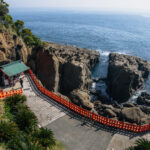
Slow down along Kyushu’s southeastern coast. Visit Cape Toi, Aoshima Island, and Udo Shrine along the Nichinan Coast.
Days 7–8: Beppu and Yufuin
Travel time: About 3 hours and 15 minutes by car from Miyazaki
Consider stopping at Takachiho Gorge on the drive north before continuing to Beppu. You may want to save Beppu sightseeing for Day 8, depending on your arrival time. Tour the Jigoku Meguri and take a day trip to Yufuin for mountain scenery and local shopping.
Day 9: Mount Aso and Kurokawa Onsen
Travel time: About 2 hours by car from Beppu
Drive through the volcanic scenery around Mount Aso. End the day in Kurokawa Onsen for your final night in a ryokan in the mountains.
If you are not interested in onsens, consider spending your final night in Fukuoka instead.
Day 10: Return to Fukuoka
Travel time: About 2 hours by car
Head back to Fukuoka, return the car, and do any last-minute shopping before your departure. Visit anything you missed on Days 1 and 2 if time allows.
This route balances Kyushu’s major highlights with slower stays in the south. Expect several longer driving days and frequent hotel changes. If you prefer a slower pace, drop Kurokawa Onsen and spend more time in Miyazaki or Beppu instead.
Common Mistakes When Planning a Kyushu Trip
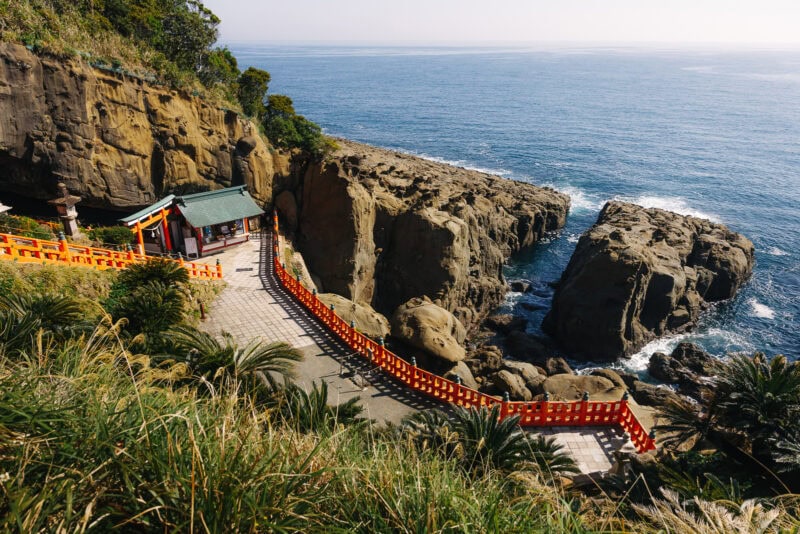
- Underestimating travel times. Mountain roads, coastal routes, and rest stops make journeys longer than they appear on a map. Build in more travel time than you think you need.
- Trying to see too much. Visiting every prefecture in under a week means spending more time moving than exploring. When I first visited, I underestimated how large Kyushu actually is. Focus on fewer regions and allow time for onsen towns, local food, and scenic drives.
- Not renting a car when needed. Public transport works for major cities. But Takachiho Gorge, Cape Toi, and smaller onsen towns are much easier by car. If your itinerary includes these destinations, rent one.
- Changing hotels every day. Packing and moving daily gets exhausting fast. Staying at least two nights in key destinations gives you flexibility for weather changes and makes day trips easier.
- Booking too late during peak seasons. Cherry blossom season, autumn foliage, and national holidays fill up hotels, rental cars, and trains quickly. Book well in advance.
- Ignoring open-jaw flights. Flying into Fukuoka and out of Kagoshima (or vice versa) saves time and significantly reduces backtracking. Check if the price difference makes it worthwhile.
Is Kyushu Worth Visiting?
Yes, without question. Kyushu offers a level of diversity that few regions in Japan can match. Lively cities, volcanic landscapes, world-class onsen, rich history, and regional food cultures that shift dramatically from one prefecture to the next. While this guide targets first-time visitors, Kyushu rewards repeat trips just as much. Every part of the island feels completely different from the last. I never get tired of it.


Hello!
I agree to all your recommendations having been for the first time this year. Don’t plan to much and stay a couple of days it possible. We had 2 weeks just in Kyushu at the end of May and beginning of June and only covered the top half. We landed in Fukuoka and then visited Mojiko, Beppu, Kurakowa with its Onsen, Mount Aso, Kumamoto, Nagasaki and Yame. The last 2 days were spent relaxing at Itoshima Peninsula.
We had a fantastic time and would love to go back to see the southern part.
One highlight was the stay at Flat Glamping Nagasaki overlooking Omura Bay … superb!
Thanks a lot for these precious information. Planning to visit Japan (particulary Kyushu) in oct.-nov this year. I am looking forward…
Quite interesting report on Kyushu. It helps me to plan my stay there in October.