This post may contain affiliate links. Please read our disclosure policy.
Beppu Onsen is Japan’s ultimate hot spring destination, where steam rises from every street corner, the air is rich with mineral scents, and there are endless ways to soak.
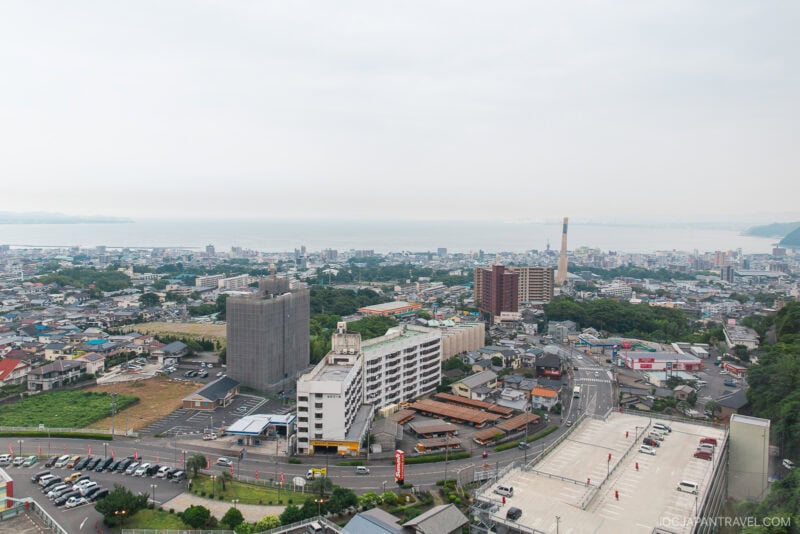
Beppu in Oita Prefecture is home to more hot springs than elsewhere in Japan. While it may not be as internationally famous as Hakone or Kusatsu, Beppu quietly holds a top spot for geothermal activity, second only to Yellowstone National Park worldwide.
Beppu Onsen – What You Need to Know
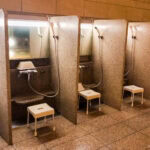
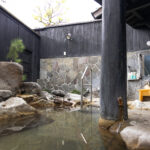
The city is divided into eight major hot spring areas known as the Beppu Hatto (別府八湯), each offering a different bathing experience. From traditional indoor onsen to sand baths, steam baths, and mud baths, there’s something for everyone.
We could feel the energy of Beppu the moment we arrived, with steam rising from rooftops, vents, and sidewalks.
A Bird’s-Eye View of Beppu’s Steaming Landscape
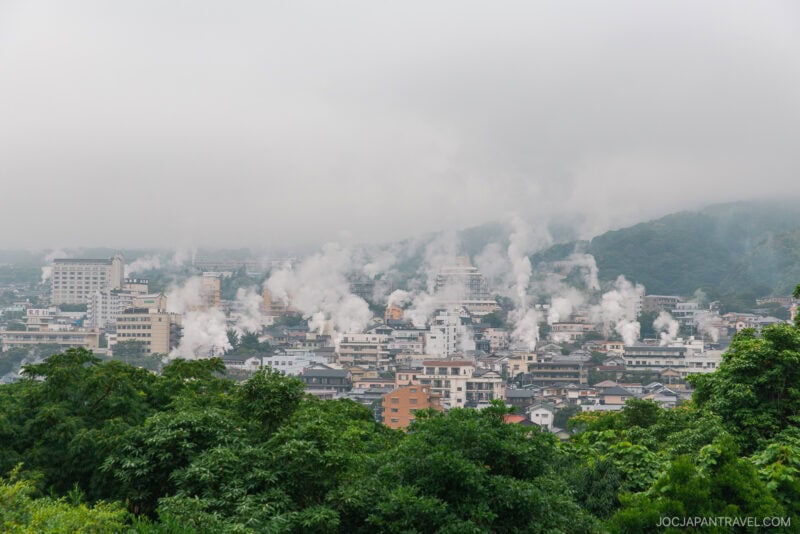
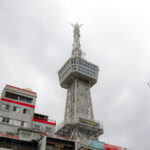
During our taxi ride, our driver pointed out a hidden gem: a scenic viewpoint overlooking Beppu. From above, we could see white plumes of steam rising across the city—especially dramatic on a misty morning.
If you’re short on time but want a big impression, ask your hotel or taxi driver about a local lookout. It’s one of the best ways to take in Beppu’s geothermal wonders at a glance.
Exploring Jigoku (The Hells) of Beppu
We spent a lot of time enjoying our hotel in Beppu because it was so much fun. But we couldn’t leave without doing the Jigoku Meguri, or “Hells Tour.” These are seven colorful hot spring sites that are far too hot to bathe in but absolutely fascinating to see.
Even in the pouring rain, the experience was worth it. Each hell is unique:
- Umi-Jigoku (Sea Hell): A vivid cobalt-blue pond that looks peaceful but bubbles at 98°C.
- Oniishibozu-Jigoku: Named for its boiling mud pools that resemble the bald heads of monks.
The mix of surreal colors, eerie bubbling, and rising steam made it feel like we had stepped into another world. To learn more abut the other Jigoku check out this post.
Coming Up: Beppu’s Famous Food
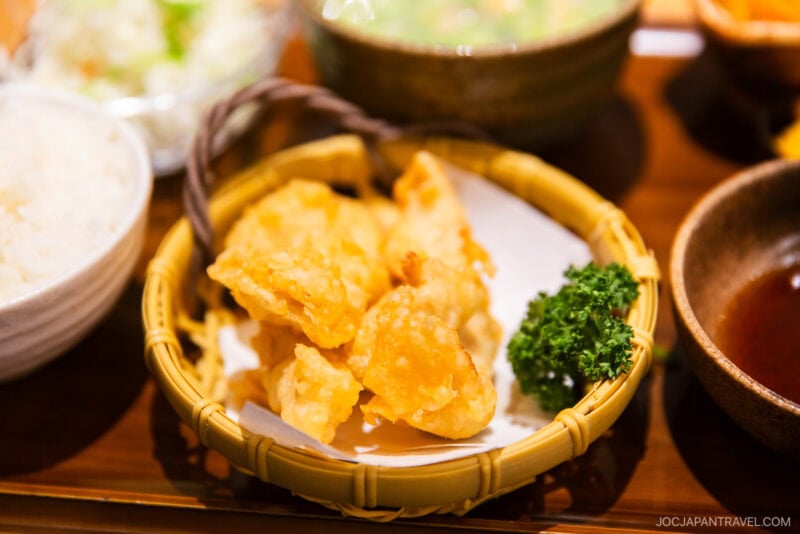
After exploring the Jigoku, we were more than ready to eat. One of the best parts of Beppu? The local cuisine. Beppu is especially famous for toriten (とり天), a regional take on chicken tempura.
How to Get to Beppu Onsen
Train
- From Hiroshima: Take the JR Sanyo Shinkansen to Kokura Station, then transfer to the JR Sonic Limited Express to Beppu Station.
- From Fukuoka (Hakata Station): Take the JR Sonic Limited Express directly to Beppu Station.
- Total travel time: 2–3.5 hours.
Bus
- Highway buses connect Beppu with major cities like Fukuoka, Osaka, and Hiroshima. It’s usually more affordable but takes longer than the train.
Taxi
- From Beppu Station to local onsen areas, expect to pay around ¥1,000–¥2,000 depending on distance.
Pro Tip: Many hotels and ryokan offer free shuttle service from Beppu Station—check in advance for easy transport.
Is Beppu Onsen Worth Visiting?
Yes—especially if you’re traveling with little kids! Beppu offers a different side of Japan: raw, earthy, and deeply relaxing. It’s more than just an onsen town. With surreal geothermal sights, warm hospitality, and unforgettable local food, Beppu is the kind of place that stays with you long after you leave.
More to Explore Nearby
Once you’ve relaxed in the hot springs and explored the steamy streets of Beppu, consider adding these nearby experiences to your itinerary:
- Beppu Jigoku Meguri – Tour the “hells” of Beppu, a collection of colorful, bubbling geothermal hot spots with unique features.
- Beppu City Traditional Bamboo Crafts Center – Learn about Beppu’s 400-year bamboo craft tradition and try weaving your own.
- Beppu Suginoi Hotel – A family-friendly resort with open-air hot spring terraces, fun attractions, and panoramic views of Beppu Bay.