This post may contain affiliate links. Please read our disclosure policy.
Perched 60 meters above Miyazaki City, Heiwadai Park combines a historic peace tower, a garden of ancient burial statues, and quiet hilltop trails for a peaceful city escape.

Heiwadai Park (平和台公園) sits on a wooded hill north of downtown Miyazaki, built in 1939 to mark the 2,600th anniversary of Japan’s Imperial establishment. The park is also known as Miyazaki Peace Park and has a layered history that runs through both Japan’s ancient past and its modern imperial era.
It is open 24 hours a day and free to enter. I found it a welcome change of pace from the nearby coastal areas, and the mix of the Tower of Peace, the haniwa garden, and the forested walking trails provides enough variety to fill a relaxed couple of hours.
What is Heiwadai Park
Heiwadai Park is a large hilltop urban park in northern Miyazaki City, situated on a hill 60 meters above the city center. The park’s main draw is the Tower of Peace, but the Haniwa Garden, seasonal flower beds, forested trails, and an organic restaurant make it a spot to spend a couple of hours.
My Experience at Heiwadai Park
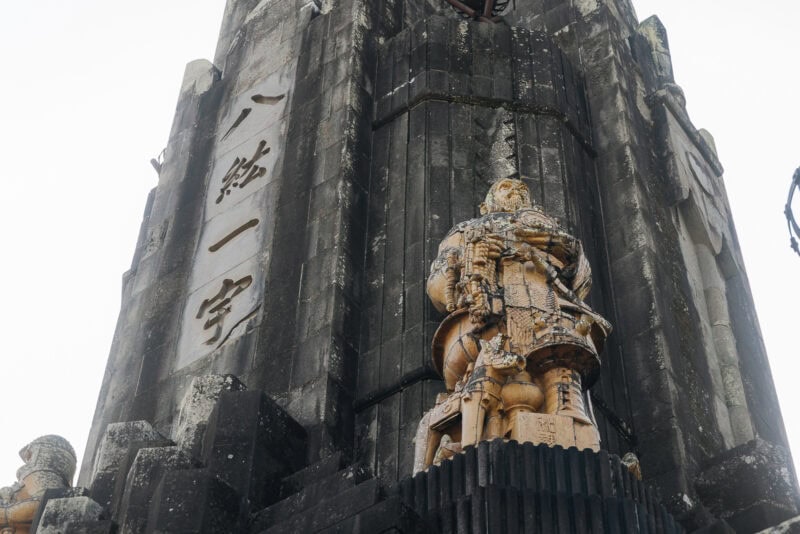
The park has a quiet, slightly otherworldly atmosphere that I did not expect from an urban park. The forested hilltop setting and the age of the monuments give it a gravity that most city parks lack. It is the kind of place that rewards wandering without a fixed plan, and the acoustic trick at the Tower of Peace alone makes it worth the bus ride from the city center.
The Tower of Peace
The 37-meter Tower of Peace is the park’s defining feature, built in 1940 to commemorate the legendary installation of Japan’s first emperor, Jimmu. Its original name, Hakko Ichiu Tower, translates to “united under one roof,” a phrase associated with Japan’s imperial expansion during World War II. The tower also served as the starting point for the second leg of the torch relay at the 1964 Tokyo Olympics, giving it a place in postwar Japanese history as well.
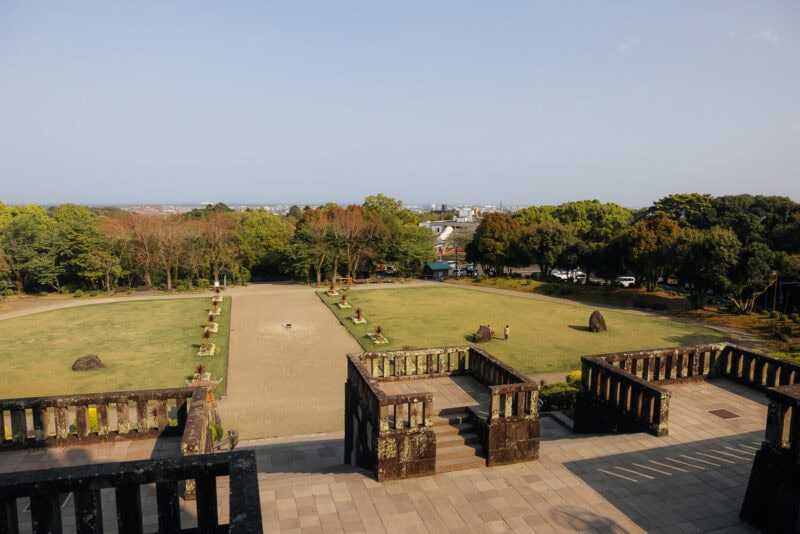
Make sure you try the acoustic trick while visiting. Stand on the small podium in the center of the lawn in front of the tower, clap your hands, and the sound is magnified and reflected directly back at you. It’s a small thing, but unique to the park.
The Haniwa Garden
Adjacent to the tower is the Haniwa Garden, a path lined with over 400 replica haniwa, the distinctive clay figures placed on burial mounds in Japan more than 1,500 years ago during the Kofun Period. The originals served as tributes to the deceased and depicted warriors, animals, dancers, and everyday objects.
The replicas here range from the immediately recognizable to the genuinely strange, and walking among them has an atmosphere that is difficult to describe. Unfortunately, the garden was closed for reconstruction during my visit, so check on their official website whether it has reopened.
Trails and the Organic Restaurant
Beyond the tower and garden, the park has a network of walking trails through seasonal flower beds, tree groves, and around a small lake. It is the kind of space that locals use for morning walks and quiet afternoons, and the atmosphere is noticeably calmer than the city below. At the rest stop near the park entrance, a souvenir and snack shop sits alongside Shizen, an organic restaurant serving dishes made with ingredients sourced from Miyazaki farmers.

Andy’s Travel Tips
These simple tips will help you when you visit.
- Try the acoustic trick at the Tower of Peace. Stand on the small podium in the center of the lawn, clap your hands, and listen. It is a small detail, but genuinely memorable.
- Check whether the Haniwa Garden has reopened before your visit. It was closed for reconstruction when I went, and it is one of the park’s most distinctive features.
- Take note of which bus you catch from Miyazaki Station. Buses from the East Exit stop right next to the park (about 30 minutes, 440 yen), while buses from the West Exit stop further away with a 15-minute walk to the park entrance (about 20 minutes, 360 yen).
- The park is open 24 hours and free to enter, so it works well as an early morning walk or an evening visit when you want to escape the city center without planning around closing times.
- Stop at the organic restaurant Shizen near the rest stop if you are visiting around lunchtime. It uses locally sourced Miyazaki produce and makes for a more interesting meal than grabbing something back in the city.
How to Get to Heiwadai Park
Bus
The bus is the most direct public transit option, dropping you right at the park’s entrance.
- From Miyazaki Station (Bus Stop 3 at the West Exit), take a Miyazaki Kotsu Bus bound for Heiwadai Koen.
- The ride takes approximately 15 to 20 minutes. Get off at the terminal stop, Heiwadai Koen.
- Please note that direct buses run roughly once per hour, so keeping an eye on the schedule for your return trip is recommended.
Car
Driving to Heiwadai Park is highly convenient, especially if you are combining it with a trip to the nearby Miyazaki Shrine.
- From Miyazaki Station, the drive takes about 10 to 15 minutes heading northwest.
Taxi
- A taxi from Miyazaki Station is quick and affordable, taking about 10 minutes and costing roughly ¥1,500 to ¥2,000.
- A taxi from Miyazaki-Jingu Station is even closer, taking about 5 minutes and costing around ¥1,000.
Is Heiwadai Park Worth Visiting?
I don’t think it’s worth the trip to Heiwaidai Park unless you’re staying in Miyazaki for an extended period. That being said, if you do find yourself there, it has several unique characteristics that make for a nice break from the coast and a quiet couple of hours in a park with genuine historical character.
The Tower of Peace is a standout landmark with a deep history, the acoustic trick is a genuinely fun surprise, and the Haniwa Garden, once it reopens, is unlike anything else you will find at a city park in Japan. It is free, open 24 hours a day, and easy to reach from Miyazaki Station by bus, so it makes for a nice visit if you have the time.
More to Explore Nearby
Heiwadai Park sits in the heart of Miyazaki city, surrounded by the prefecture’s finest natural and cultural attractions. The Nichinan Coast and beyond offer plenty to extend your trip.
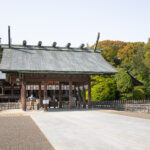
- Miyazaki Shrine — Miyazaki’s most important shrine, set within a serene forested precinct just across the city.
- Aoshima Island — A small subtropical island fringed by striking washboard rock formations, a short drive south along the Nichinan Coast.
- Udo Shrine — A breathtaking cave shrine perched on the Nichinan cliffs, one of Miyazaki’s most sacred and scenic spots.
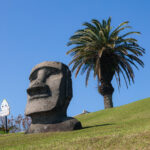
- Sun Messe Nichinan — A clifftop park famous for its replica Easter Island moai statues and sweeping Pacific views.
- Kirishima Shrine — One of Kyushu’s most revered shrines, nestled among volcanic peaks on the Kagoshima-Miyazaki border.