This post may contain affiliate links. Please read our disclosure policy.
A visit to Okinawa Prefectural Peace Memorial Park provides a thoughtful look at the island’s wartime history and its message of peace.
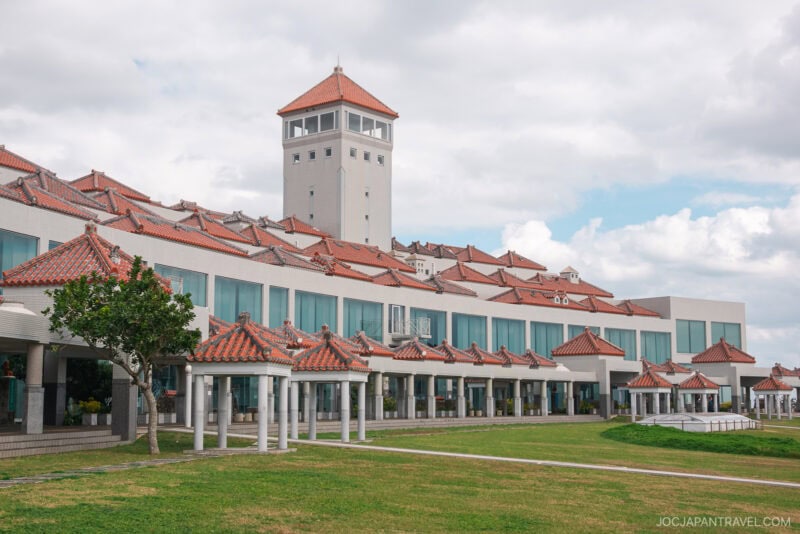
A Place of Remembrance and Reflection
Located in Itoman City at the island’s southern tip, Okinawa Prefectural Peace Memorial Park honors those who lost their lives during the Battle of Okinawa.
The peaceful atmosphere and ocean views made the experience even more moving. As we walked through its quiet grounds and read names etched in stone, we felt both the weight of history and the hope that such tragedy never happens again.
Okinawa Prefectural Peace Memorial Museum
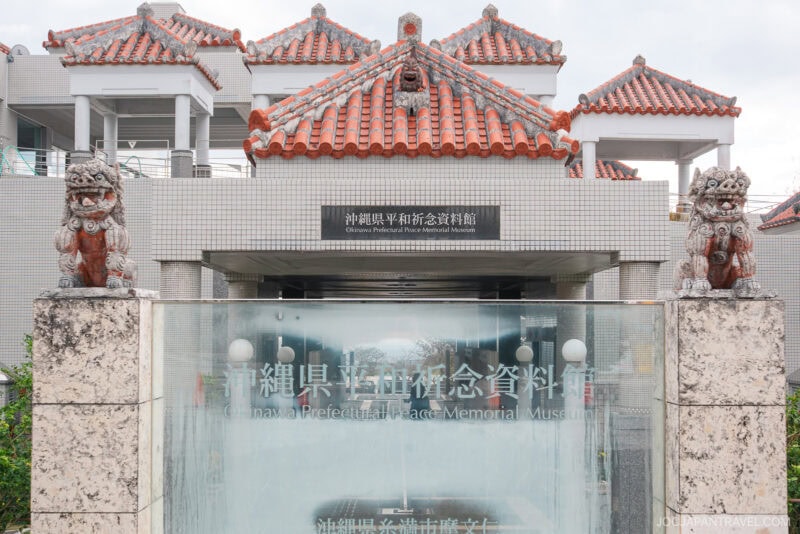
The museum stands on the site where the Battle of Okinawa ended. Inside, we saw powerful exhibits, photos, letters, and items left behind by civilians and soldiers. One display featured a rusted helmet beside a child’s shoe. Another showed maps, charred belongings, and unexploded bombs.
Despite the heavy subject matter, everything was presented with care and clarity. English translations were available throughout the museum, but even without them, the images spoke volumes.
The Cornerstone of Peace
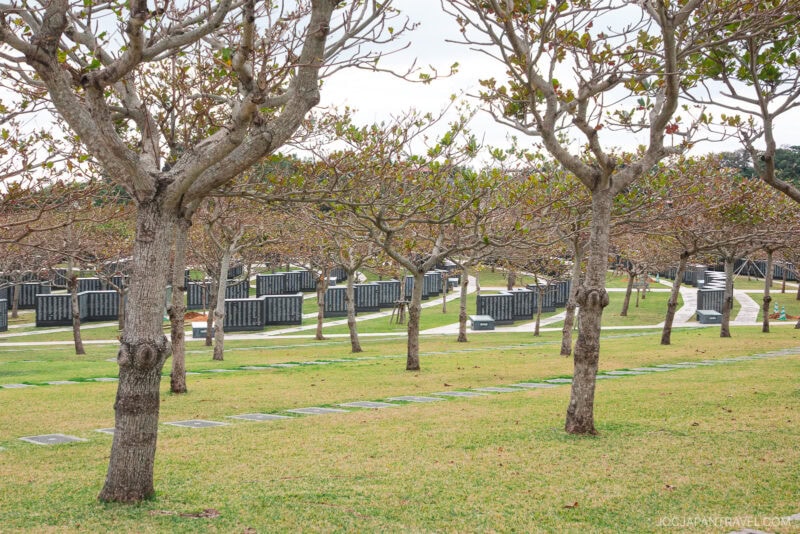
The most emotional part of our visit was the Cornerstone of Peace. This monument is made up of black granite walls engraved with the names of over 240,000 people who died in the battle—listed not by nationality, but alphabetically by origin. Japanese, American, Korean, and others stand side by side.
Amid the solemn walls of names, the calm expanse of blue water came into view. The contrast between the serene sea and the sorrow etched into each name was striking.
Learning from the Past
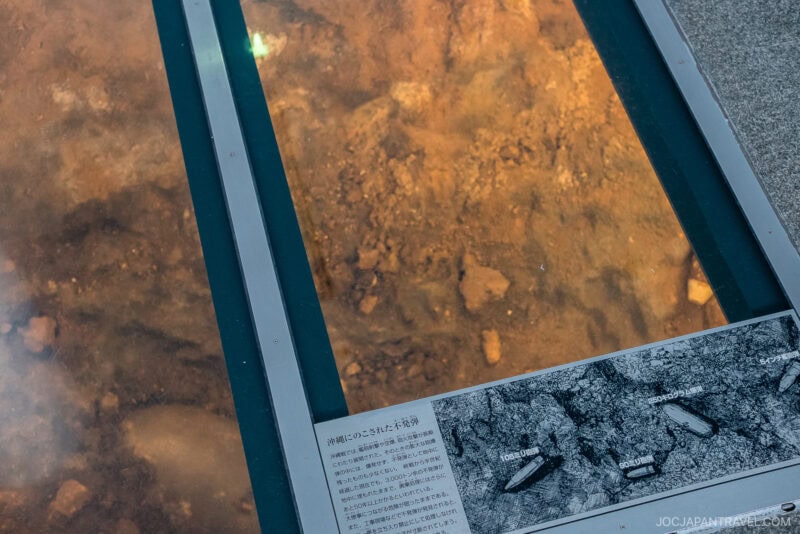
The Battle of Okinawa was one of the most destructive conflicts of World War II. Nearly one-third of Okinawa’s civilian population perished. The island was not just a battleground—it was home to farmers, children, and entire families who were caught in the violence.
For our family, it reminded us that peace is something we should never take for granted.
Nearby Historical Sites
If you’re interested in learning more about Okinawa’s wartime history, consider visiting these nearby spots:
- Himeyuri Peace Museum – Tells the story of the schoolgirls and teachers who served as wartime nurses. Their sacrifice is heartbreaking but unforgettable.
- Former Japanese Navy Underground Headquarters – Preserved tunnels and rooms that give a stark look into the final days of the battle.
How to Get to Okinawa Prefectural Peace Memorial Park
Bus
- From Naha Bus Terminal, take bus number 82 or 83. Ride the bus to the Heiwa Kinento-mae (平和祈念塔前) bus stop. The bus journey takes approximately 1 hour and 15 minutes.
Taxi
- A taxi from Naha takes 40–50 minutes and costs around ¥5,000–¥6,000.
Should You Visit Okinawa Prefectural Peace Memorial Park?
The park isn’t flashy or trendy, but it’s one of the most meaningful places we visited in Okinawa. It left us with more than just memories—it offered perspective.
If you want to truly grasp Okinawa’s history, resilience, and enduring message of peace, this is a place you shouldn’t miss.
More to Explore Nearby
After walking through the memorials and museum at Okinawa Prefectural Peace Memorial Park, take time to visit these nearby sites that highlight Okinawa’s cultural depth and wartime history.
- Himeyuri Peace Museum – Learn about the tragic story of Okinawan schoolgirls conscripted as nurses during the Battle of Okinawa at this emotional museum.
- Kokusai Dori – Explore Naha’s lively main street filled with shops, snacks, and nightly street performances featuring traditional music.
- Shikinaen – A former royal garden with stone bridges, pavilions, and seasonal blooms, offering a quiet retreat with ties to the Ryukyu royal family.
- Seifa Utaki – This sacred UNESCO World Heritage site is one of the holiest places in Okinawa’s indigenous spirituality, set along a peaceful coastal cliff.