This post may contain affiliate links. Please read our disclosure policy.
A quiet yet powerful memorial in Itoman City, the Himeyuri Peace Museum shares the heartbreaking story of Okinawan students caught in the tragedy of war.
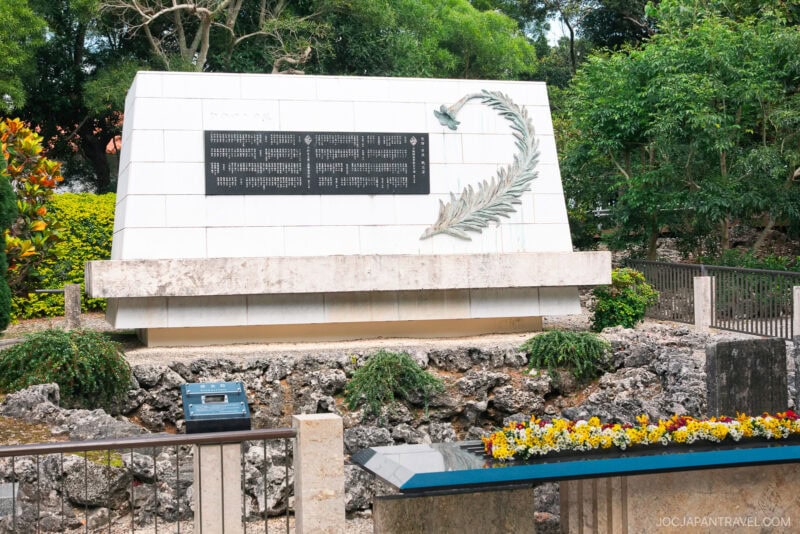
Who Were the Himeyuri Students?
The Himeyuri Student Corps was made up of 222 high school girls and 18 teachers, mostly from two elite girls’ schools in Naha. In 1945, they were mobilized as nursing aides during the Battle of Okinawa, caring for wounded soldiers in underground shelters and cave hospitals.
The conditions were unimaginable. Most of the students were just 15 to 19 years old. Many died in the chaos, bombings, suicide orders, starvation, or simply being left behind as the army retreated. By the end of the war, 136 students and 17 teachers had lost their lives.
What You’ll See Inside

The Himeyuri Peace Museum stands near the site of a former field hospital where many of the girls worked and died. The exhibits follow the students’ lives from cheerful school days to their final moments.
Some of the most powerful displays include:
- Class photos of the girls in their school uniforms
- Handwritten letters and diary entries
- Personal belongings like shoes, satchels, and notebooks
- Survivor interviews describing the horror of the caves
- A short film with testimony from former students
- A full-scale cave diorama inside the museum so visitors can understand the difficult conditions these high school girls had to endure
How to Get to Himeyuri Peace Museum
Bus
- From Naha Bus Terminal, take Bus 89 to Itoman Bus Terminal. Then transfer to Bus 82 and get off at Himeyuri-no-To.
- Total travel time: about 75–90 minutes.
Taxi
- From central Naha, taxi fare is approximately ¥3,500–¥4,500. Travel time is about 30–40 minutes.
Pro Tip: Combine your visit with nearby historical sites like Okinawa Peace Memorial Park or the Former Navy Underground Headquarters for a more complete perspective on Okinawa’s wartime history.
Is the Himeyuri Peace Museum Worth Visiting?

Yes, I think it’s worth adding to your Okinawa itinerary. The Himeyuri Peace Museum may be small and quiet, but it left a lasting impression on our family. Walking through its rooms, we were drawn into the personal stories and everyday belongings of the young students who lived—and died—during the Battle of Okinawa.
It’s not an easy visit, but it gave us a deeper understanding of the island’s history and the resilience of its people. If you want to connect with Okinawa beyond its beaches and scenery, this is a meaningful and respectful place to spend time.
More to Explore Nearby
After learning the moving story of the Himeyuri student nurses, you can reflect and continue exploring Okinawa’s historical and cultural sites nearby.
- Okinawa Prefectural Peace Memorial Park – A seaside park and museum dedicated to those lost in the Battle of Okinawa, offering panoramic views and quiet places for reflection.
- Shikinaen – Once the royal garden of the Ryukyu kings, this peaceful spot features pavilions, stone bridges, and seasonal plantings.
- Seifa Utaki – One of Okinawa’s most sacred places, this UNESCO World Heritage site blends natural beauty with deep spiritual significance.
- Ryukyu Mura – Experience Okinawa’s folk traditions at this recreated village with live performances, craft demos, and old-style homes.