This post may contain affiliate links. Please read our disclosure policy.
Roam the streets of Azabu Juban, where historic shopping alleys meet upscale dining, trendy cafes, and international boutiques in one of Tokyo’s most charming and cosmopolitan neighborhoods.
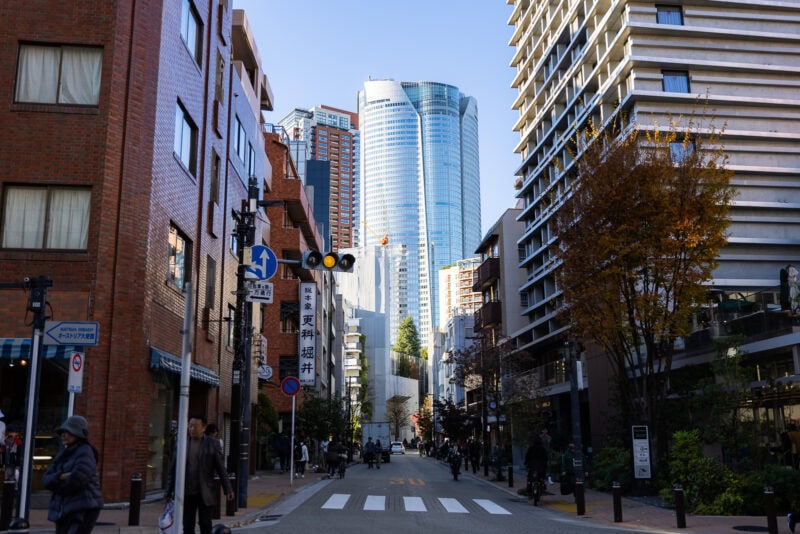
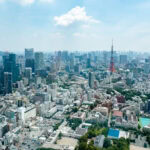
Azabu Juban (麻布十番) is an upscale residential neighborhood in central Tokyo, nestled between Roppongi and Tokyo Tower in Minato Ward. Step just one block off the main road and the city noise fades into something quieter and more considered.
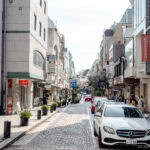
Cobblestone side streets, century-old family shops, and a relaxed pace replace the usual Tokyo rush. The area has long attracted foreign embassies and international residents, giving it a cosmopolitan character that feels genuinely earned rather than designed for tourists. I always enjoy coming back here, and it tends to surprise people who expect it to feel stiff or exclusive. It does not.
What Is Azabu Juban
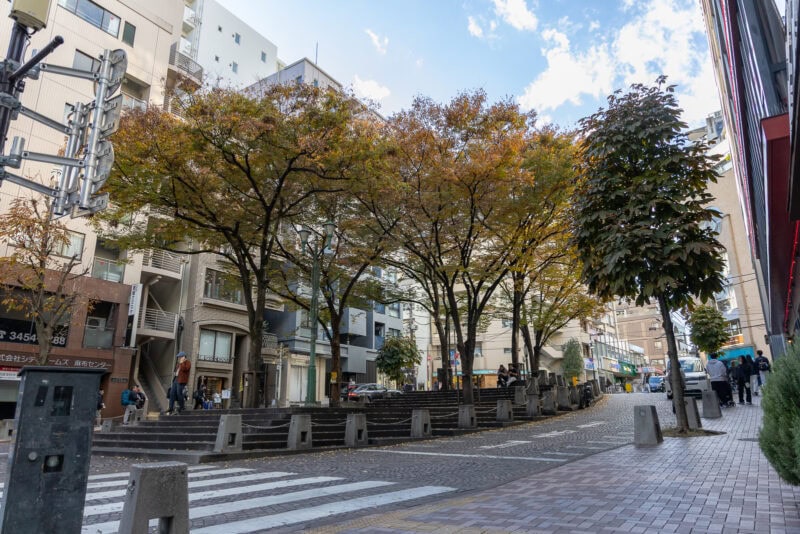
During the Edo period (1603–1867), the area was a favored address for samurai and daimyo due to its proximity to Edo Castle. After World War II, it evolved into one of Tokyo’s most desirable postcodes, attracting affluent families, expatriates, and foreign embassies. Today, it holds onto that layered history while offering a lively mix of traditional Japanese shops, international restaurants, and some of the city’s most pleasant streets for an afternoon walk.
My Experience in Azabu Juban
What I like most about Azabu Juban is that it does not feel like it is performing for anyone. The neighborhood has a genuine character that comes from being a real place where people live, shop, and spend their weekends. There are no crowds pushing you along and no must-see queues. You just walk, and things reveal themselves at their own pace. The winding hills and cobblestone side streets make it feel more European than Tokyo in places, which makes sense given how many international residents call it home.
Azabu Juban Shopping Street
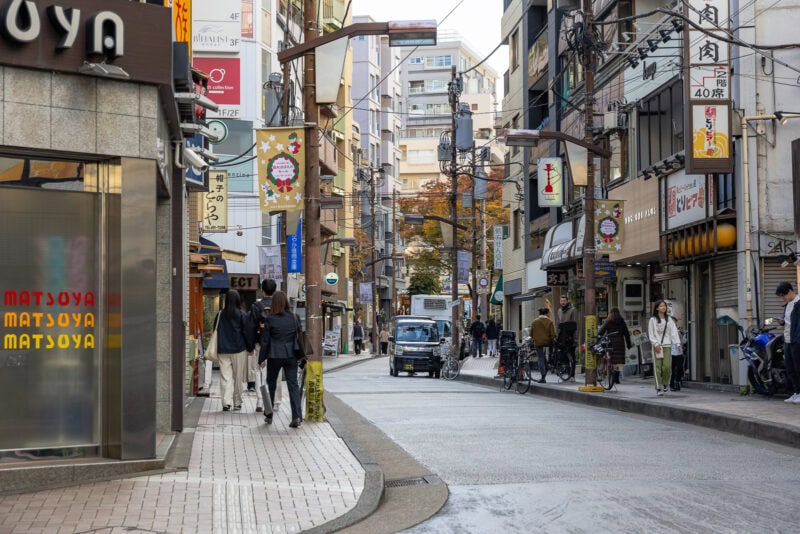
The Azabu Juban Shotengai is the spine of the neighborhood, running through the heart of the area with over 300 shops. Some of these have been here for more than a century, and you can feel the continuity in the way they operate, unhurried and confident in what they offer. The street has evolved over the years as more international residents moved in, so now you will find traditional Japanese vendors sitting comfortably alongside Mexican restaurants, European bakeries, and specialty coffee shops.
My favorite thing to do here is leave the main street and follow the narrow side streets that branch off it. Some of the best cafes and restaurants in the neighborhood are tucked away down those lanes, and half the pleasure is stumbling onto them without expecting to. It is the kind of area where getting slightly lost is part of the plan.
Arisugawa-no-miya Memorial Park
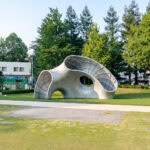
A short walk from the shopping street brings you to Arisugawa-no-miya Memorial Park, a tranquil Japanese garden with seasonal flowers, a picturesque pond, and a noticeably slower atmosphere than the streets around it. The Tokyo Metropolitan Central Library is located inside the park grounds, housing hundreds of thousands of books, newspapers, and magazines in both Japanese and foreign languages. With 900 reading seats, a first-floor cafe, and a cafeteria on the fifth floor, it is a nice retreat to settle in for an hour if you need a break from walking.
Azabu Juban Noryo Festival
If you happen to visit on the last weekend of August, the Noryo Festival is one of the best summer festivals in Tokyo and worth planning around. Over 150,000 visitors come through across the weekend to eat regional street food from all over Japan, from Hokkaido in the north to Kyushu in the south. There is live music, traditional dancing, and the kind of cheerful summer evening atmosphere that makes you feel like you have stumbled into a local celebration rather than a tourist event. Even if you are not usually a festival person, this one tends to win people over.

Andy’s Travel Tips
These simple tips will help you when you visit.
- Leave the main shopping street and explore the side streets. The best cafes and restaurants in Azabu Juban are usually tucked down the narrow lanes branching off the shotengai.
- Visit on a weekday afternoon if you want a quieter, more relaxed experience. Weekends get busier, especially around the main shopping street.
- Combine the neighborhood with Roppongi or Tokyo Tower since both are just a short walk or quick taxi ride away, making Azabu Juban an easy addition to a half-day itinerary in central Tokyo.
- Plan around the Noryo Festival if you are visiting in late August. It runs the last weekend of August and is one of the most enjoyable summer festivals in Tokyo.
- Walk to Arisugawa-no-miya Memorial Park if you need a quiet break. The library cafe inside is a good spot to rest before continuing.
How to Get to Azabu Juban
By Train
- Azabu-Juban Station (Tokyo Metro Namboku Line / Toei Oedo Line): The most direct option. The station sits right in the heart of the neighborhood and puts you at the shopping street within a 2-minute walk.
- Roppongi Station (Tokyo Metro Hibiya Line / Toei Oedo Line): About a 10-minute walk south into Azabu Juban if you are already in Roppongi.
By Taxi or Car
From Roppongi, a taxi takes about 5 minutes. From Tokyo Station, expect around 20 minutes depending on traffic. Street parking is very limited, so public transport is the better option.
Accessibility Notes
Azabu-Juban Station has elevator access. The main shopping street is flat and paved, but some of the surrounding side streets and hills have uneven surfaces and slopes that may be difficult for wheelchairs or strollers.
Is Azabu Juban Worth Visiting?
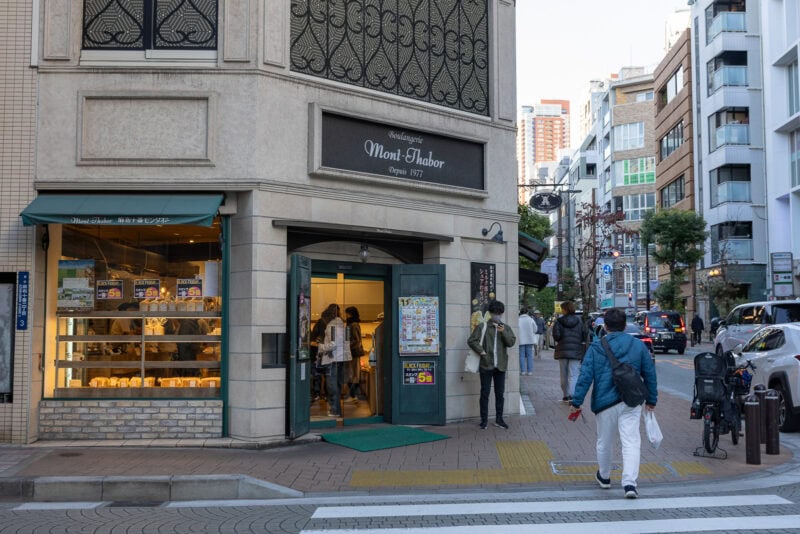
Yes, and it is especially good if you want a side of Tokyo that feels like a real neighborhood rather than a sightseeing stop. It has no single defining landmark, which is actually the point. The pleasure here is in the walk, the side streets, and the mix of old shops and excellent food. I would not skip it in favor of the flashier nearby areas, and I think it holds up well on its own to explore for a few hours, or as an easy add-on to a visit to Roppongi or Tokyo Tower.
More to Explore Nearby
- teamLab Borderless at Azabudai Hills – Step into a world of immersive digital art just minutes away at one of Tokyo’s most talked-about new attractions.
- Tokyo Midtown – Head to this sleek urban complex in nearby Roppongi for upscale shopping, dining, and a beautifully landscaped garden.
- Mori Tower City View & Mori Art Museum – Enjoy sweeping panoramic views of Tokyo from the top of Mori Tower, paired with world-class contemporary art exhibitions.
- Toraya Tokyo Midtown – Treat yourself to exquisite traditional Japanese wagashi sweets at this renowned confectionery tucked inside Tokyo Midtown.