This post may contain affiliate links. Please read our disclosure policy.
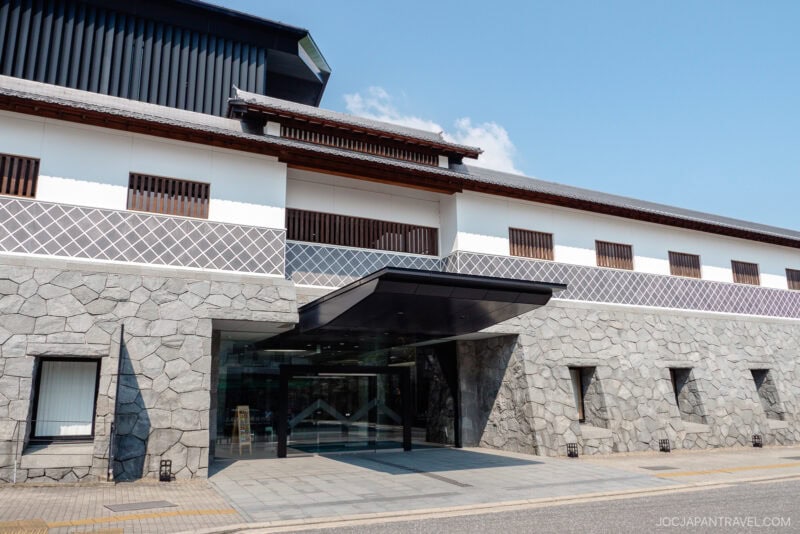
The Nagasaki Museum of History and Culture opens a window into Japan’s only open port during the sakoku era, with exhibits on trade, diplomacy, and traditional crafts.
Why This Museum Matters
From the 1600s through the mid-1800s, Nagasaki was Japan’s only legal gateway to the outside world. Through trade with the Dutch and Chinese, the city became a cultural crossroads where science, medicine, art, and new ideas flowed into the country.
The Nagasaki Museum of History and Culture brings this history together in one place, making it the perfect stop to understand how Nagasaki shaped Japan’s global story. For us, it also tied together other sites we visited, like Dejima, Chinatown, and the Koshibyo Confucius Shrine.
Highlights of the Museum
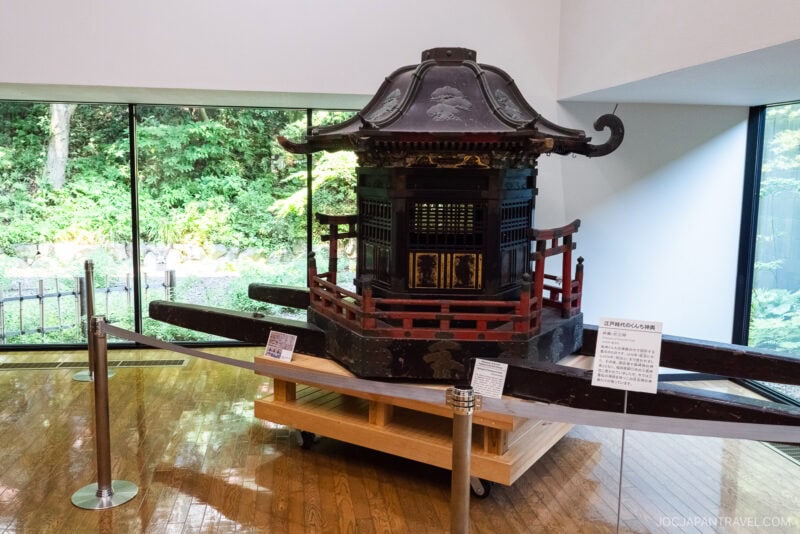
Trade and International Relations
Permanent exhibits show how Nagasaki handled foreign contact during the sakoku (isolation) era. We loved seeing displays on Dutch and Chinese trade, the arrival of Christian missionaries, and the spread of rangaku (Dutch Learning). The imported goods, scientific instruments, and hidden Christian relics really helped us imagine what life was like in that era.
Traditional Nagasaki Arts and Crafts
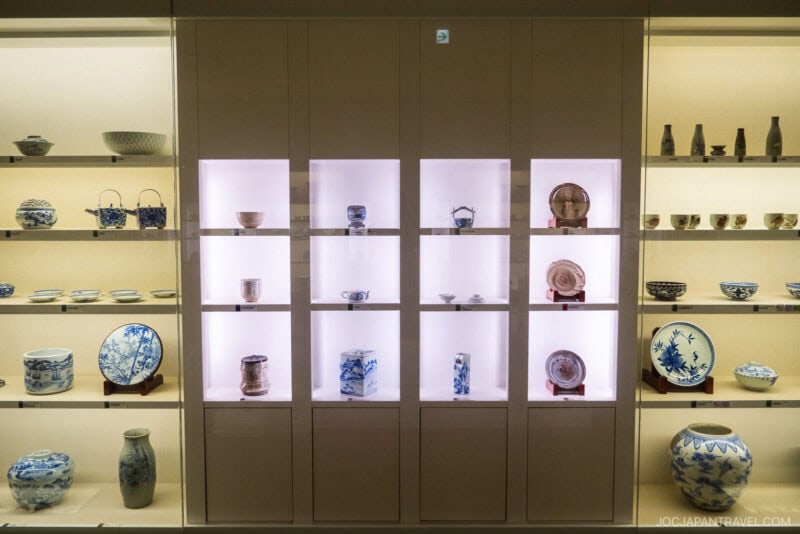
Nagasaki’s culture was shaped by both Japanese and foreign influences. This section showcases lacquerware, ceramics, Nagasaki-e woodblock prints, and colorful festival masks. It gave us a deeper sense of how traditions blended in this international port city.
The Nagasaki Magistrate’s Office (奉行所)

The full-scale reconstruction of the Edo-period magistrate’s office was our favorite part. This was where trade regulations, criminal cases, and religious affairs were overseen. Stepping into the tatami rooms and wooden corridors felt like traveling back in time, and we were amazed by the attention to detail.
How to Get to the Nagasaki Museum of History and Culture
By Tram
- Sakuramachi (桜町), 5 minutes on foot
- City Hall, Shiyakusho (市役所), 8 minutes on foot
- From Nagasaki Station (長崎駅), 14 minutes on foot toward Sakuramachi
By Bus
- From Nagasaki Station East Exit, take Nagasaki Bus or Prefectural Bus to Rekishi Bunka Hakubutsukan stop (歴史文化博物館), 3 minutes on foot
By Car
- From Nagasaki Expressway Makizuka IC, drive toward Suwa Shrine, about 10 minutes
- Parking is limited, so public transit is recommended
Pro Tip: Start your Nagasaki visit here. The exhibits add context for Dejima, Shinchi Chinatown, and Suwa Shrine.
Is the Nagasaki Museum of History and Culture Worth Visiting?

This museum is one of the best places to start your time in Nagasaki because it sets the stage for everything else you’ll see in the city. The exhibits explain Nagasaki’s unique role as Japan’s only open port during the isolation era, and the reconstructed Magistrate’s Office makes that history feel real and vivid. It’s also very approachable, with displays that even kids can enjoy.
If you’re planning to visit Dejima, Chinatown, or Koshibyo Shrine, stopping at the museum first will give you a deeper understanding of how these sites all connect to Japan’s story of global exchange.
More to Explore Nearby
The Nagasaki Museum of History and Culture provides a comprehensive overview of the city’s unique past, positioning you close to the critical historical sites, profound spiritual landmarks, and iconic viewpoints that define Nagasaki.
- Dejima – Step back in time on this reconstructed fan-shaped artificial island that served as Japan’s only point of contact with the West during the two centuries of national isolation.
- Glover Garden – Explore the preserved hillside district featuring beautiful Western-style mansions built by foreign merchants and enjoy sweeping views of the harbor.
- Nagasaki Koshibyo Confucius Shrine – Visit the vibrant shrine nearby, famous for its elaborate Chinese architecture and historical connection to the city’s trade.
- Nagasaki Atomic Bomb Museum – Discover the profound history and legacy of the atomic bomb, which offers a key modern counterpoint to the city’s historical narrative.