This post may contain affiliate links. Please read our disclosure policy.
From historic churches and foreign settlements to lush islands and relaxing hot springs, Nagasaki is full of surprises that make exploring Kyushu’s western coast unforgettable.

Why Visit Nagasaki?
Nagasaki is unlike any other city in Japan. With its history as Japan’s only open port during the Edo period, it became a true crossroads of cultures. European, Chinese, and Japanese traditions blended here in a way that shaped architecture, food, and daily life.
Today, the city combines this layered history with natural beauty, offering visitors plenty to see and do without the crowds of larger Japanese cities.
Fewer Crowds, More Character
With a population of just over 410,000, Nagasaki feels approachable compared to Japan’s megacities, yet it offers just as much depth.
A Unique Historical Identity

For more than 200 years during Japan’s isolationist policy, Nagasaki was the only port open to foreign trade. The influence of the Dutch, Portuguese, and Chinese still defines much of the city’s character.
Natural Escapes and Hot Springs
Nagasaki is framed by green hills, coastal cliffs, and offshore islands. Nearby, you’ll find hot spring resorts like Unzen and Iojima that make easy day trips.
A City with Deep History
From hidden Christian communities to the devastation of the atomic bombing, Nagasaki’s past is both moving and essential to understanding Japan’s modern identity.
Top Things to Do in Nagasaki
Oura Church (大浦天主堂)
Built in 1864, Oura Church is Japan’s oldest surviving Catholic church and a UNESCO World Heritage Site. It honors the 26 Christian martyrs executed in Nagasaki and offers a poignant introduction to the city’s hidden Christian history.
Glover Garden
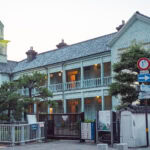
Perched on a hillside, this open-air museum preserves the former homes of foreign merchants from the Meiji era. The Western-style mansions and sweeping port views make it especially lovely around sunset.
Chinese Cultural Sites

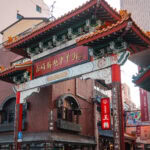
Nagasaki’s Chinese community has shaped the city for centuries. Visit Koshibyo Confucius Shrine, built in 1893, explore Shinchi Chinatown for authentic food, and stop by the Historical Museum of China for maritime and cultural exhibits.
Important Museums
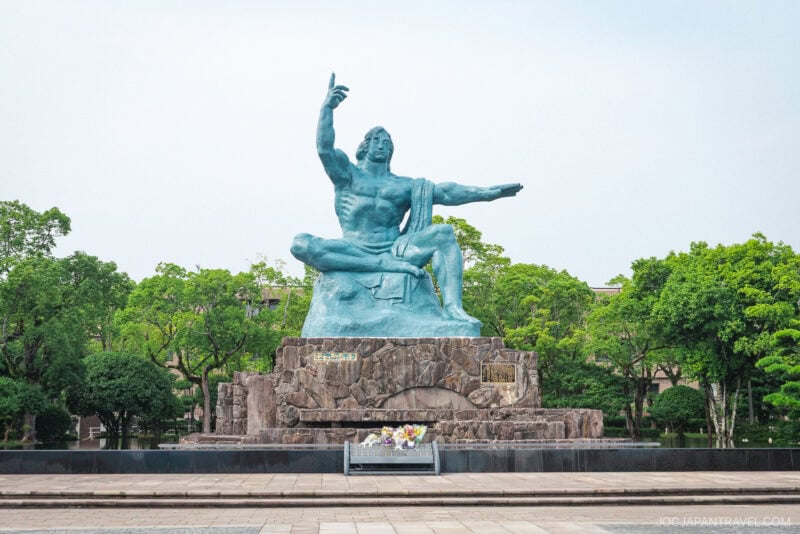
The Nagasaki Atomic Bomb Museum is a sobering but essential stop. We also recommend visiting the Museum of the 26 Martyrs of Japan and the Nagasaki Museum of History and Culture for a deeper look into local history.
Dejima (出島)
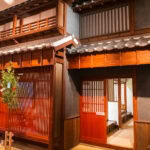
This small artificial island was once the only place foreign traders could live in Japan. Today, its restored buildings recreate the life of Dutch merchants and Japanese officials during the 17th century.
Hollander Slope (オランダ坂)
A cobbled street once used by Dutch merchants, Hollander Slope still retains its European charm. It’s easy to feel like you’re stepping back into Nagasaki’s international past.
Nakashima River and Meganebashi Bridge (眼鏡橋)
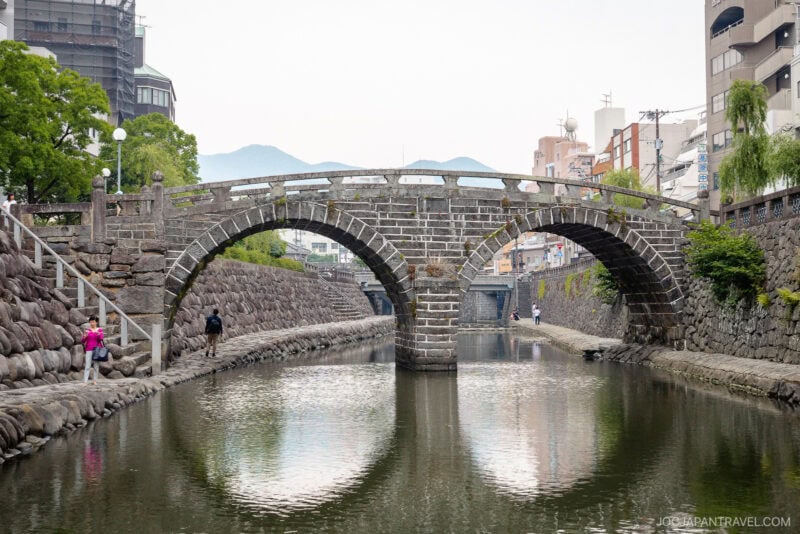
The stone bridges spanning the Nakashima River are among Nagasaki’s most photogenic spots. Meganebashi, or “Spectacles Bridge,” is the most famous.
Mount Inasa (稲佐山) Night View
The panoramic view from Mount Inasa is ranked among Japan’s “Top Three Night Views.” You can reach the summit by ropeway, bus, or car. On a clear evening, the sparkling harbor cityscape is unforgettable.
The Historical Heart of Nagasaki
From the 1630s until 1853, Japan closed its borders under a policy called sakoku. During this time, Nagasaki was the only city allowed to trade with the outside world, primarily with the Dutch and Chinese. This exchange introduced new technologies and cultural ideas that influenced Japan’s modernization and gave Nagasaki its uniquely global flavor.
Nature and Island Escapes
Nagasaki isn’t just about history. Its surrounding islands and hot spring towns make it easy to slow down and soak in the scenery.
- Goto Islands – Remote beaches, Christian churches, and fishing villages.
- Unzen Onsen – A historic hot spring town inside Unzen-Amakusa National Park.
- Iojima Island – A short drive from the city with resort-style hot springs and ocean views.
How to Get to Nagasaki
By Train
From Fukuoka (Hakata), ride the Limited Express Relay Kamome to Takeo Onsen, then transfer cross-platform to the Nishi Kyushu Shinkansen Kamome for Nagasaki. The trip takes about 1 hour 30 minutes with a timed connection.
By Plane
Fly into Nagasaki Airport (NGS) from Tokyo or Osaka. Airport limousine buses run to central Nagasaki in about 35 to 45 minutes.
Getting Around
Nagasaki’s trams cover most major sights. A one-day tram pass is available and is a good value if you plan several rides.
Pro Tip: When arriving by rail from Hakata, aim for a Relay Kamome that meets a Kamome Shinkansen at Takeo Onsen. The cross-platform change is quick and keeps total travel time short.
Is Nagasaki Worth Visiting?

Nagasaki is one of Japan’s most fascinating cities, where cultures meet and history runs deep. In just a few days, we were able to visit historic churches, explore hillside gardens, enjoy incredible seafood, and reflect on some of Japan’s most important historical moments.
Its mix of international heritage, natural scenery, and warm local charm make Nagasaki a destination we would recommend to anyone traveling through Kyushu.
More to Explore Nearby
As a city shaped by its history as Japan’s gateway to the world, Nagasaki offers a profound mix of Chinese and European influences, dramatic scenery, and unique fusion cuisine.
- Glover Garden – Explore the preserved hillside district featuring beautiful Western-style mansions built by foreign merchants and enjoy sweeping views of the harbor.
- Dejima – Step back in time on this reconstructed fan-shaped artificial island that served as Japan’s only point of contact with the West during the two centuries of national isolation.
- Mt. Inasayama Observatory – Take a ropeway up the mountain to experience one of Japan’s most famous night views, often called the “10 Million Dollar Night View”.
- Champon and Sara Udon – Dive into the city’s unique culinary heritage by sampling these hearty noodle dishes, which were developed with strong Chinese influence.