This post may contain affiliate links. Please read our disclosure policy.
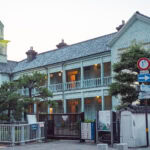
With cobblestone streets, ivy-covered walls, and historic Western-style homes, Hollander Slope captures the spirit of Nagasaki’s cosmopolitan past and makes for a serene place to explore.

Walking Through Nagasaki’s Early International Quarter
Just a short walk from central Nagasaki, Hollander Slope is one of the most atmospheric neighborhoods in the city. Its name translates to “Dutch Hill,” but this hillside was home to much more than Dutch traders.
After Japan reopened to the world in the mid-19th century, this was where diplomats, merchants, and their families from countries like the United States, Russia, Britain, and the Netherlands built their homes. Today, the preserved cobblestone lanes and Western-style residences make it easy to imagine daily life in Nagasaki’s first international community.
Highlights of Hollander Slope

Historic Western Residences
Several buildings remain open to the public and showcase the lifestyle of foreign residents in the late 1800s.
No. 13 Higashi Yamate (東山手十三番館)
This residence is one of the best-preserved examples of a Meiji-era Western house in Nagasaki. Inside, you’ll find:
- Rooms furnished with period-accurate pieces
- Exhibits on life in the foreign settlement
- Wide views of Nagasaki Harbor from the upper floor
It felt like stepping back into a quiet corner of the city’s international past.
No. 12 Higashi Yamate (東山手十二番館)
Once used as both the Russian and American consulates, this building now serves as a museum. Exhibits highlight:
- Diplomatic history in Nagasaki
- Cultural exchange between Japan and the West
- Archival photographs and original documents
Both residences are free to enter and open daily from 10:00 am to 5:00 pm (closed on Mondays).
The Charm of the Slope Today
The area isn’t large, but its appeal lies in the atmosphere. Narrow stone paths, ivy-covered walls, and shaded cafés give the slope a timeless quality. We saw couples taking wedding photos here and travelers pausing to enjoy the quiet.
How to Get to Hollander Slope
Tram
Ride the Nagasaki Electric Tram Line 5 to Ouratenshudoshita Station. Walk uphill 5 to 7 minutes. Bilingual signs mark the route.
On Foot
It is a 15 to 20 minute walk from Dejima, Chinatown, or Oura Church. Expect hills and cobblestones.
Taxi
From Nagasaki Station, the ride takes about 10 minutes in light traffic. Ask for Oranda-zaka near Higashi Yamate.
Should You Visit Hollander Slope?
Hollander Slope is a wonderful stop if you enjoy history, architecture, or hidden corners that feel far removed from the city’s busy streets. Walking its cobblestone paths takes you back to the late 19th century, when the city welcomed foreign diplomats, merchants, and missionaries after centuries of isolation.
The preserved Western residences, once consulates and private homes, illustrate how daily life unfolded for the families who helped shape Nagasaki into an international port.
More to Explore Nearby
The picturesque, stone-paved Hollander Slope offers a quiet glimpse into Nagasaki’s heritage, placing you perfectly to continue exploring the foreign-influenced hillside district, spiritual sites, and local culinary traditions.
- Glover Garden – Explore the preserved hillside district featuring beautiful Western-style mansions built by foreign merchants and enjoy sweeping views of the harbor.
- Oura Church – Visit one of Japan’s most historic and beautiful churches, the spiritual center of Nagasaki’s hillside district.
- Museum of the 26 Martyrs – Discover the profound history of early Christianity in Japan at this museum and monument dedicated to the foreign missionaries and Japanese converts.
- Nagasaki Castella Cake – Sample this fluffy sponge cake that is Nagasaki’s most famous souvenir, introduced by the Portuguese during the city’s earliest international trade.