This post may contain affiliate links. Please read our disclosure policy.
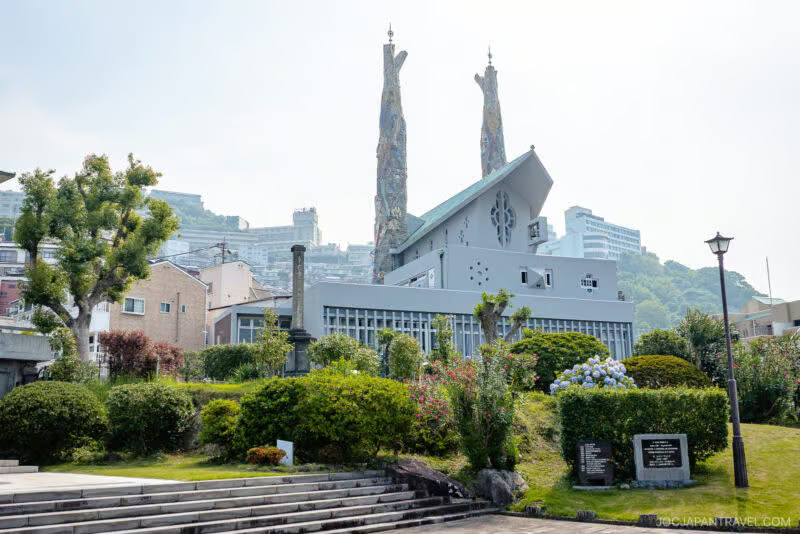
Standing on Nishizaka Hill, the Museum of the 26 Martyrs of Japan tells the moving story of faith, persecution, and resilience in Nagasaki’s history.
A Tragic Beginning
The museum stands on the exact site where 26 Christians, six European missionaries, and twenty Japanese converts were executed by crucifixion in 1597. Their deaths marked the start of centuries of persecution against Christians in Japan.
In the late 1500s, Christianity spread quickly through Kyushu, led by Jesuit missionaries such as St. Francis Xavier. But Toyotomi Hideyoshi, the country’s unifier, came to see the religion as a political threat. In 1587, he expelled missionaries, and a decade later, he ordered this public execution as a warning. The 26 men and boys were forced to march from Kyoto to Nagasaki, where they were crucified on February 5, 1597.
This event pushed Christianity underground, giving rise to the kakure kirishitan, or hidden Christians, who secretly kept their faith alive for centuries.
Inside the Museum
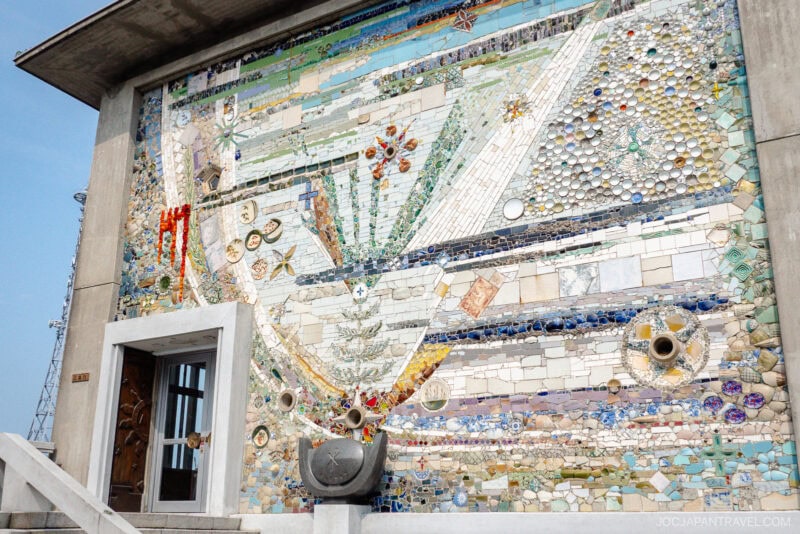
The museum beside the memorial monument offers a quiet yet powerful look at this history. The galleries combine artifacts, documents, and interactive displays that highlight both persecution and survival.
Highlights Include
- Personal belongings of hidden Christians that reveal how they adapted their faith to survive in secrecy
- An original letter from St. Francis Xavier, one of the earliest missionaries in Japan
- Maps and paintings that trace the spread of Christianity in Kyushu
- Fumie — bronze images of Christ or the Virgin Mary that suspected Christians were forced to step on to prove they had renounced their beliefs
One of the most striking displays shows how Christian symbols were disguised in ordinary objects, such as incense holders or statues that looked Buddhist at first glance but held hidden crosses.
The Monument of the 26 Martyrs
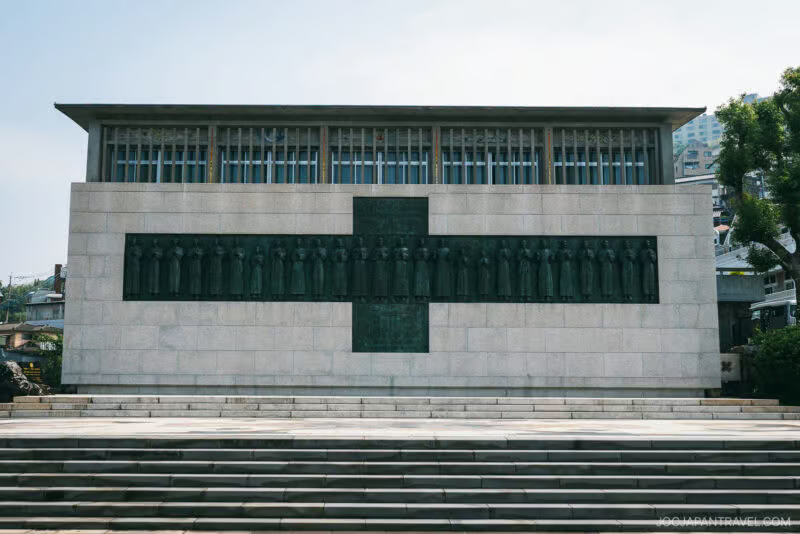
Outside the museum, a granite monument and bronze statues honor the martyrs. Their names, nationalities, and ages are inscribed—including children as young as 12.
How to Get to the Museum of the 26 Martyrs
By Tram
- Ride Nagasaki Electric Tram Line 1 to Nagasaki Station (長崎駅前).
- Walk uphill about 5 minutes to Nishizaka Hill.
On Foot
You can also walk from the Nagasaki Museum of History and Culture or Suwa Shrine as part of a central route.
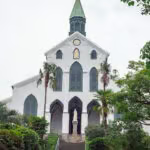
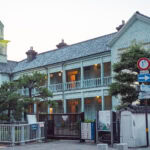
Pro Tip: Pair this stop with Oura Church and Glover Garden to connect Nagasaki’s Christian history.
Is the Museum of the 26 Martyrs Worth Visiting?
We found this museum to be one of Nagasaki’s most notable stops. It doesn’t take long to explore, but the exhibits give essential background on the city’s role in Japan’s Christian history.
If you plan to visit sites connected to hidden Christians, such as Oura Church, this museum is the ideal place to begin. It strikes a thoughtful balance of history, reflection, and remembrance.
More to Explore Nearby
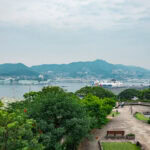
The Museum of the 26 Martyrs provides a powerful look into Nagasaki’s spiritual history, positioning you close to other key religious sites, dramatic city views, and the city’s unique culinary heritage.
- Oura Church – Visit one of Japan’s most historic and beautiful churches, the spiritual center of Nagasaki’s hillside district.
- Mt. Inasayama Observatory – Take a ropeway up the mountain to experience one of Japan’s most famous night views, often called the “10 Million Dollar Night View”.
- Nagasaki Champon & Sara Udon – Dive into the city’s signature culinary heritage by sampling these hearty noodle dishes, which were developed with strong Chinese influence at the port.
- Nakashima River Stone Bridges – Discover the picturesque historical stone bridges of the Nakashima River in the city center, a beautiful and enduring symbol of the city’s long history.