This post may contain affiliate links. Please read our disclosure policy.
The Nagasaki Atomic Bomb Museum and Peace Park offer a powerful journey through history, remembrance, and the ongoing call for peace.
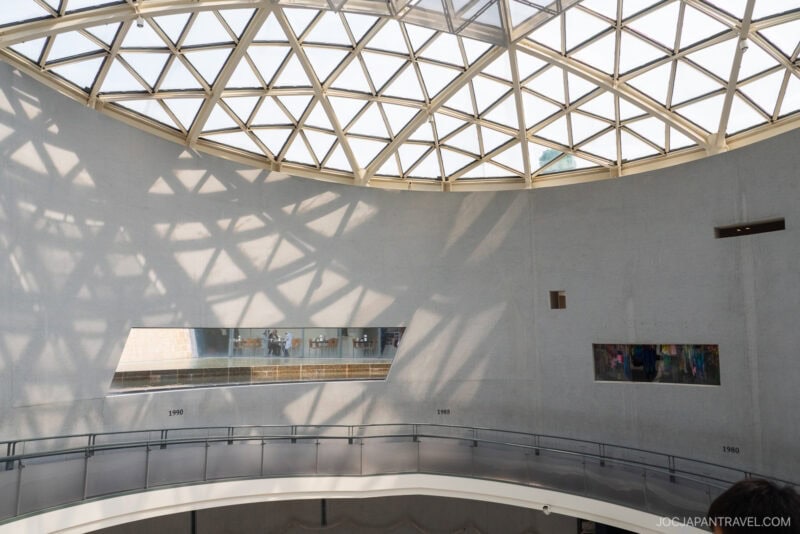
Why This Visit Mattered So Much to Us
Visiting the Nagasaki Atomic Bomb Museum (Nagasaki Genbaku Shiryokan) and Peace Park was one of the most emotional parts of our trip through Kyushu. On August 9, 1945, Nagasaki became the site of unimaginable devastation when an atomic bomb was dropped, killing tens of thousands of people and changing the city forever.
Walking these grounds was not easy, especially with our children, but it felt deeply important. The memorials and museums opened the door to honest conversations about war, peace, and the future we want to pass on.
Exploring the Nagasaki Atomic Bomb Museum
Rebuilt in 1996, the museum leads visitors through three main sections: the destruction caused by the bomb, the human stories behind it, and the global movement for nuclear disarmament.
Reproduction of the Bombing’s Damage
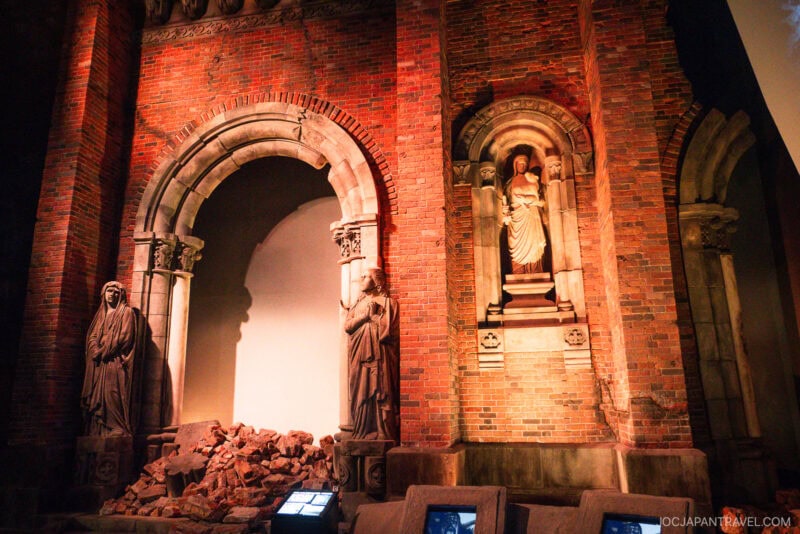
One of the first displays we saw was a broken wall clock stopped at 11:02 am, the exact moment of the explosion. The sight of twisted metal, burned everyday objects, and collapsed buildings helped us grasp the scale of the destruction.
Artifacts and History of the Atomic Bombing
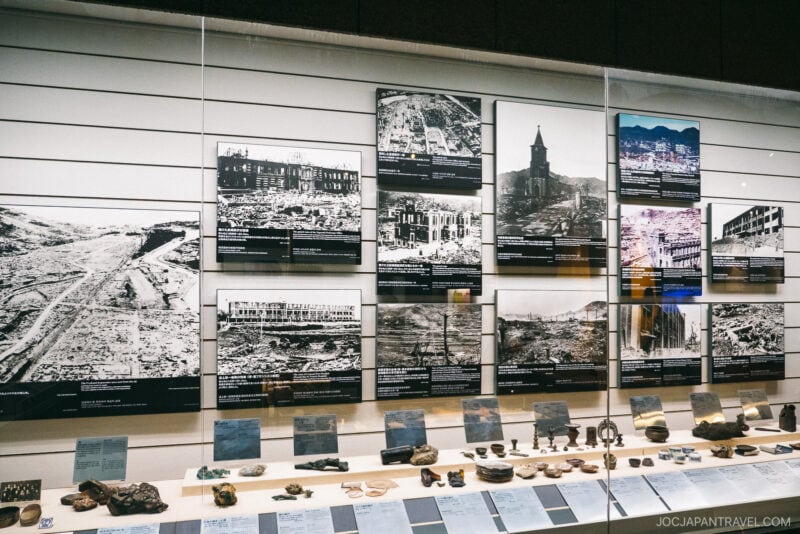
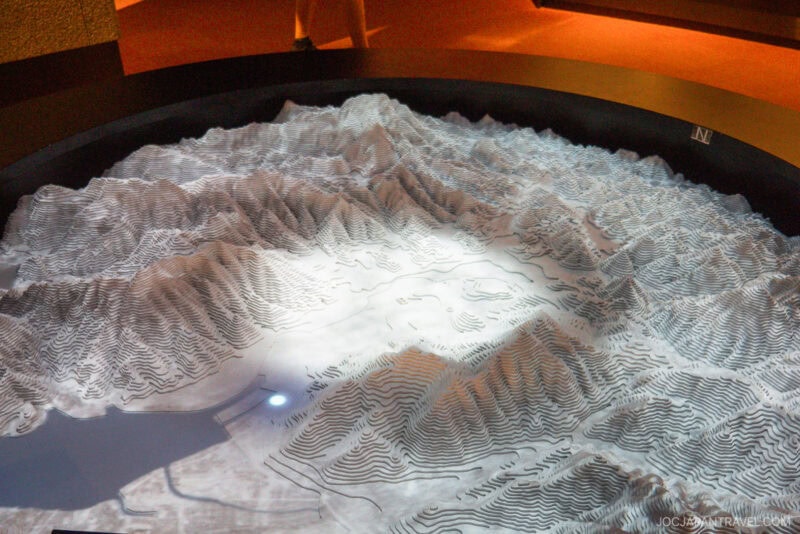
A timeline of events, aerial photos, and a 3D map showed how Nagasaki’s narrow valley intensified the blast. A life-size replica of the “Fat Man” bomb stood nearby, surrounded by personal belongings of children and families. These were the most difficult parts to see as parents, but also the most powerful.
Toward a Nuclear-Free World
The final section looks forward, sharing efforts for disarmament and peace. Displays of maps and statistics reminded us of the work that still remains.
Nagasaki National Peace Memorial Hall
Next to the museum, the underground National Peace Memorial Hall was completed in 2003 to honor more than 70,000 victims. Its solemn design includes tall columns of light and quiet spaces for reflection. Visitors can also read testimonies and view photographs that preserve the voices of survivors.
Atomic Bomb Hypocenter Park
A short walk away, Hypocenter Park marks the exact point beneath where the bomb exploded 500 meters above ground. A black monolith stands as a simple but moving reminder of that moment in history.
Nagasaki Peace Park
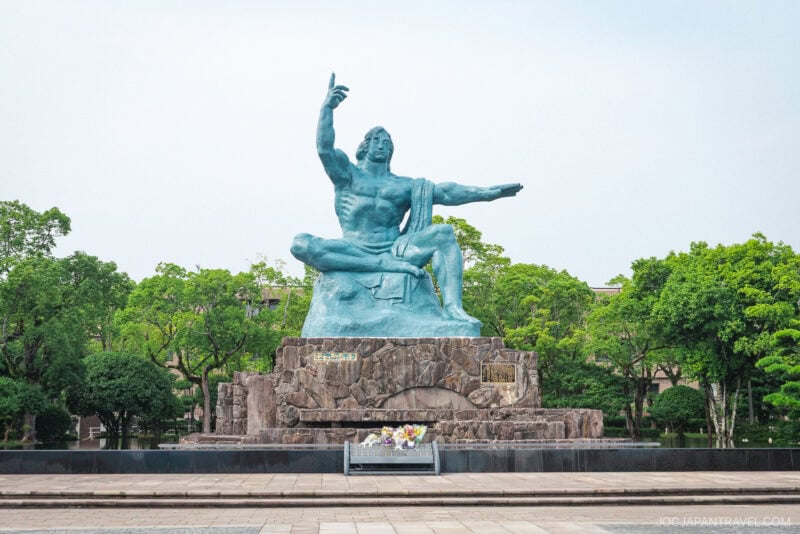
Established in 1955, Peace Park is home to the iconic Peace Statue by sculptor Seibo Kitamura. The figure’s symbolism is striking: one arm raised to warn of nuclear danger, the other extended to represent peace, one leg folded in meditation, and eyes closed in prayer.
Around the statue, monuments from countries around the world line the pathways. Each carries a message of solidarity and hope. The nearby Fountain of Peace honors the victims who cried out for water in their final moments.
How to Get to Nagasaki Atomic Bomb Museum and Peace Park
The museum and Peace Park are located in the northern part of central Nagasaki City, about 10 minutes by car from JR Nagasaki Station.
By Streetcar
- Take tram line #1 or #3 from Nagasaki Station to Hamamachi.
- Transfer to tram line #1 toward Akasako and get off at Atomic Bomb Museum Station (Genbaku Shiryokan mae). From there, it’s a short walk.
By Taxi
A taxi ride from Nagasaki Station takes about 10 minutes. The fare is around ¥1,500 to ¥2,000.
Pro Tip: Consider visiting in the morning before school groups arrive for a quieter and more reflective experience.
Our Final Thoughts on the Nagasaki Atomic Bomb Museum and Peace Park
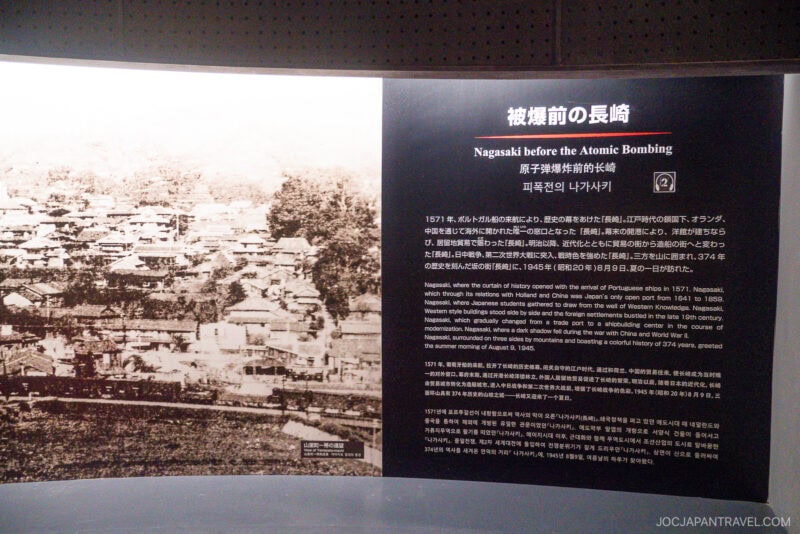
The museum is not a lighthearted stop, but it is one of the most meaningful. The museum and memorials are well-designed, respectful, and deeply moving.
For our family, it was a chance to connect with history, to reflect on the value of peace, and to carry those lessons forward.
More to Explore Nearby
After visiting the sites of memory and reflection, the Nagasaki area and the wider Kyushu region offer inspiring cultural landmarks, historical hubs, and stunning natural scenery for continued exploration.
- Huis Ten Bosch – Explore this massive theme park nearby, which faithfully recreates a 17th-century Dutch town, complete with canals and European architecture, for a day of lighthearted fun.
- Kumamoto Castle – Travel to the neighboring prefecture to see this majestic castle, which stands as a powerful symbol of historical resilience and the enduring spirit of Kyushu.
- Takeo Onsen – Find rest and relaxation at this renowned hot spring town in Saga, famous for its ancient cinnabar-red gate and smooth, rejuvenating waters.
- Dazaifu Tenmangu – Visit this famous Shinto shrine near Fukuoka, dedicated to the god of learning, featuring a beautiful garden and a solemn atmosphere for reflection.