This post may contain affiliate links. Please read our disclosure policy.
Kenchoji Temple in Kamakura is a gateway to Zen history, with grand wooden halls and hillside trails that lead to Mount Fuji views.
A Temple That Shaped Zen in Japan
Founded in 1253 by the Chinese Zen master Rankei Doryu, Kenchoji is the oldest Zen training monastery in Japan. It holds the top rank among Kamakura’s Five Great Zen Temples, highlighting its importance in both religious and cultural history.
The temple’s design follows a traditional Chinese Zen layout. From the entrance gate to the main hall, each building lines up in perfect symmetry. Even without knowing the formal structure, the balance and order of the grounds is easy to feel.
Highlights of Kenchoji Temple
Sanmon (Main Gate)
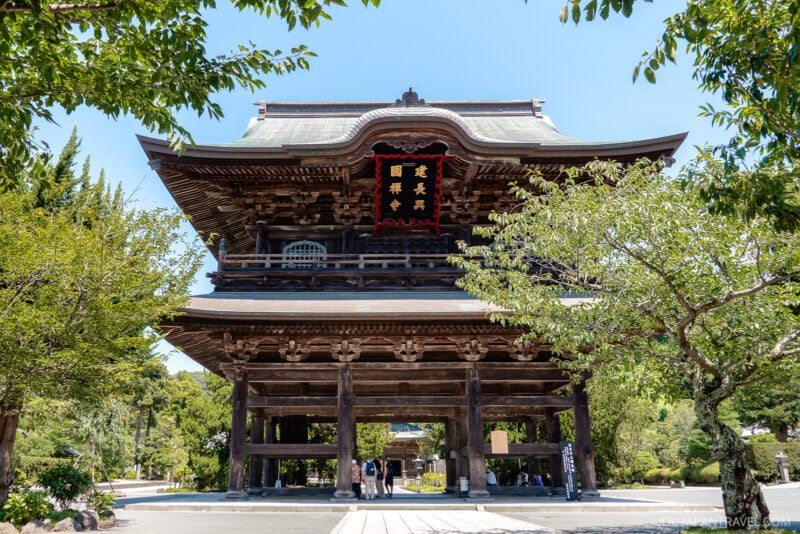
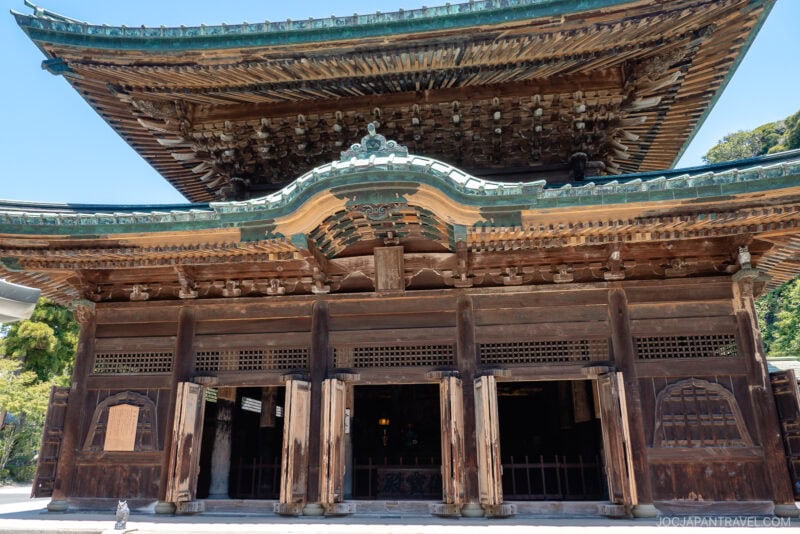
The Sanmon Gate, rebuilt in the 18th century, marks the entrance to Kenchoji. Passing through it gave us a simple sense of stepping into the temple’s history.
Butsuden (Buddha Hall)

Inside the Butsuden sits a statue of Jizo Bosatsu, the protector of travelers and children. The quiet atmosphere makes this hall a natural place to pause.
Hatto (Dharma Hall)
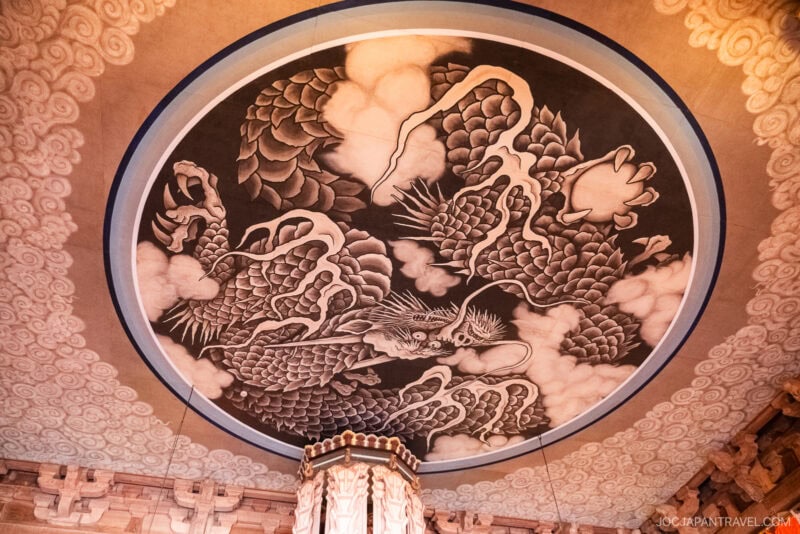
This is the largest wooden temple structure in eastern Japan. Its ceiling features a dramatic dragon painting, a symbol of protection and rainfall. As we walked beneath it, the dragon seemed to follow our steps.
Ryuo-den and Zen Garden
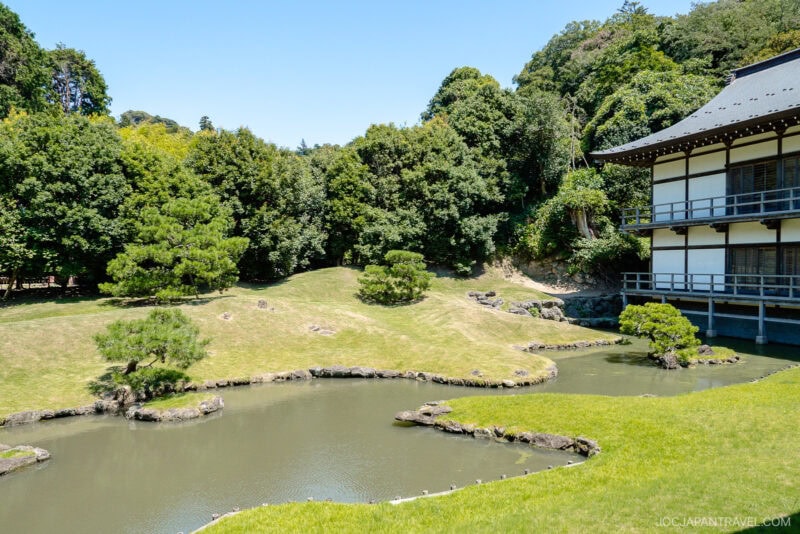
Behind the main halls lies Ryuo-den, where a carefully maintained Zen garden invites reflection. Sitting here gave us a welcome moment of calm before continuing deeper into the temple grounds.
Hansobo Shrine and Mount Fuji Viewpoint
Visitors can follow the hillside trail for about 15–20 minutes to reach Hansobo Shrine, which is dedicated to protecting the temple. Along the way, tengu statues appear on both sides of the path. If the weather is clear, the observation deck offers a distant view of Mount Fuji.
A Living Temple
Kenchoji is not just a historic site but also an active Rinzai Zen monastery. Monks still live and train here, keeping centuries-old practices alive. Visitors are welcome, but it’s important to respect the quiet spaces and observe signs marking restricted areas.
And if you’ve ever enjoyed a bowl of kenchinjiru, the hearty miso-based vegetable soup, its name traces back to this very temple.
How to Get to Kenchoji Temple
By Train
- From Kita-Kamakura Station on the JR Yokosuka Line, walk about 15 minutes to the temple.
- From Kamakura Station, it is about a 25-minute walk through town.
On Foot
From Tsurugaoka Hachimangu, walk 15–20 minutes north on quiet streets and wooded paths.
By Car or Taxi
The drive from central Kamakura takes about 10 minutes. Paid parking nearby is limited on weekends and holidays.
Pro Tip: Wear good shoes if you plan to climb to Hansobo Shrine for the Mount Fuji view.
Is Kenchoji Temple Worth Visiting?

With its history, spacious temple halls, calm gardens, and forest trails, Kenchoji offers both cultural and natural appeal. Whether you’re interested in Zen Buddhism, Japanese architecture, or a simple walk in nature, it’s well worth including on your itinerary.
More to Explore Nearby
As Kamakura’s oldest and most prestigious Zen temple, Kencho-ji is located near the northern entrance of the city, placing you close to the primary Shinto shrine, a famous bamboo grove, and other essential historical sites.
- Tsurugaoka Hachimangu – Discover the city’s most important Shinto shrine, central to the city’s history and connected by a long approach road lined with cherry trees.
- Hokokuji Temple – Find tranquility at the unique “Bamboo Temple,” famous for its beautiful grove and small tea house where you can enjoy matcha.
- Kamakura Kotoku-in (Great Buddha) – Visit this monumental outdoor bronze statue of Amida Buddha, which is the most famous and recognizable symbol of Kamakura.
- Chayakado Restaurant – Enjoy a local culinary highlight at this well-regarded restaurant, known for specializing in authentic Kamakura cuisine and traditional Japanese dishes.