This post may contain affiliate links. Please read our disclosure policy.
Just an hour from Tokyo, Kamakura is a treasure trove of history, spiritual landmarks, lush bamboo groves, and picturesque seaside vistas.

Why Visit Kamakura?
Kamakura is close to Yokohama, where Nami grew up, and it is one of our favorite places for family day trips. Once Japan’s political capital, the city is now a coastal retreat where we can wander through historic temples, pause in quiet bamboo groves, and breathe in the seaside air.
Whether you’re drawn to samurai history, forested hikes, or local specialties, Kamakura offers a refreshing escape just outside Tokyo.
Highlights of Kamakura
- Samurai Legacy: The first shogunate was established here in 1192, shaping Japan’s medieval era.
- Natural Setting: Sagami Bay and the surrounding hills create beautiful backdrops for hiking and beach walks.
- Temples and Shrines: Kamakura is home to famous Zen temples and important Shinto shrines.
- Local Food: From shirasu-don (whitebait rice bowl) to kenchinjiru (vegetable soup), the flavors are tied to local tradition.
- Easy Access: Direct trains from Tokyo and Yokohama make visiting convenient and straightforward.
Essential Places to Visit
Kotoku-in (高徳院)
This is where you’ll find the Great Buddha of Kamakura, a massive bronze statue that has stood outdoors since the 15th century. You can even step inside the statue for a closer look at its structure.
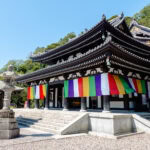
Hasedera (長谷寺)
Known for its eleven-headed Kannon statue and hillside garden paths, Hasedera also offers vast ocean views. Thousands of small Jizo statues tucked around the grounds make it especially moving.
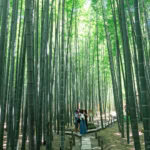
Hokokuji (報国寺)

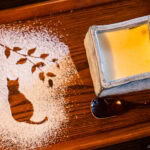
Called the Bamboo Temple, Hokokuji’s grove is a quiet retreat from the busier spots in town. We enjoyed sipping matcha in the teahouse while gazing at the bamboo swaying above us.
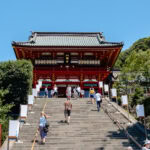
Tsurugaoka Hachimangu (鶴岡八幡宮)
Kamakura’s most important shrine, dedicated to the god of warriors. Walking the Dankazura Path lined with cherry trees feels like stepping into the city’s samurai past.
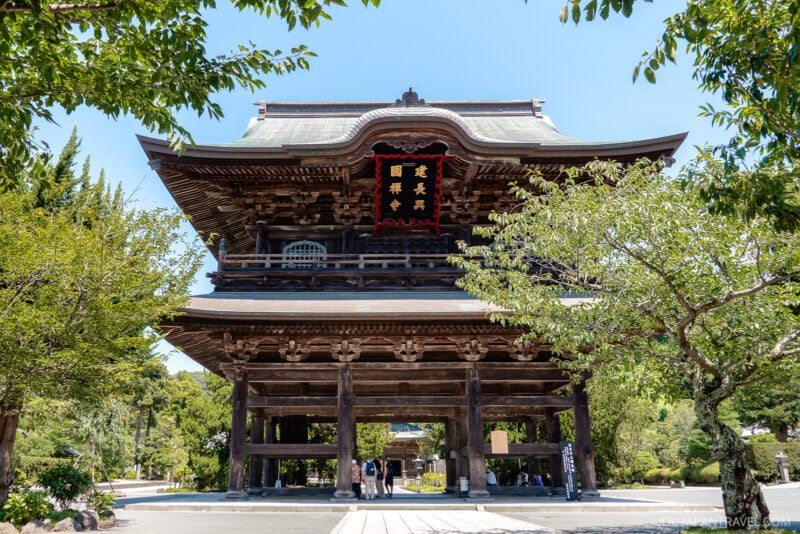
Kencho-ji (建長寺)
Founded in 1253, this is Kamakura’s oldest Zen temple and the head of the city’s Five Great Zen Temples. Don’t miss the dragon ceiling painting inside the lecture hall or the hike up to Hansobo Shrine for views of Mt. Fuji.
Komachi-dori Shopping Street
This lively street near Kamakura Station is perfect for snacks and souvenirs. Our kids loved sampling matcha soft cream while we browsed shops selling local ceramics and crafts.
How to Get to Kamakura
By Train
From Tokyo, ride the JR Yokosuka Line directly to Kamakura Station (about 1 hour). From Yokohama, take the JR Yokosuka Line or Shonan-Shinjuku Line (about 40 minutes).
By Car
About 1 hour from Tokyo or Yokohama via the Shuto and Yokohama Yokosuka roads. Parking near major temples and shrines is limited, especially on weekends.
Getting Around
The Enoden Line links Kamakura Station with Hase and coastal stops. Local buses and walking cover most temples and shrines.
Pro Tip: Arrive early to enjoy quieter temple grounds.
Is Kamakura Worth Visiting?

Kamakura makes for one of the most rewarding day trips from Tokyo. Between the temples, shrines, peaceful bamboo groves, and ocean breezes, you get the perfect mix of culture and relaxation. It’s easy to explore, family-friendly, and packed with memorable food stops. A day here feels like pressing pause on city life and stepping into a calmer, more timeless side of Japan.
More to Explore Nearby
Kamakura, as a former capital city, is rich in historical and cultural treasures, positioning you close to giant Buddha statues, bamboo temples, seaside scenery, and unique local dining.
- Kamakura Kotoku-in (Great Buddha) – Visit this monumental outdoor bronze statue, which is the most famous and recognizable symbol of Kamakura.
- Hase-dera Temple – Explore this prominent temple, famous for its massive wooden Kannon statue and beautiful, seasonal ocean-view gardens.
- Tsurugaoka Hachimangu – Discover the city’s most important Shinto shrine, central to the city’s history and connected by a long approach road lined with cherry trees.
- Hokokuji Temple – Find tranquility at the unique “Bamboo Temple,” famous for its beautiful grove and small tea house where you can enjoy matcha.