This post may contain affiliate links. Please read our disclosure policy.
Steps from the entrance of Kenchoji Temple, Restaurant Tenshin-an offers a calm retreat with traditional flavors, local ingredients, and quiet garden views.
A Zen-Inspired Retreat
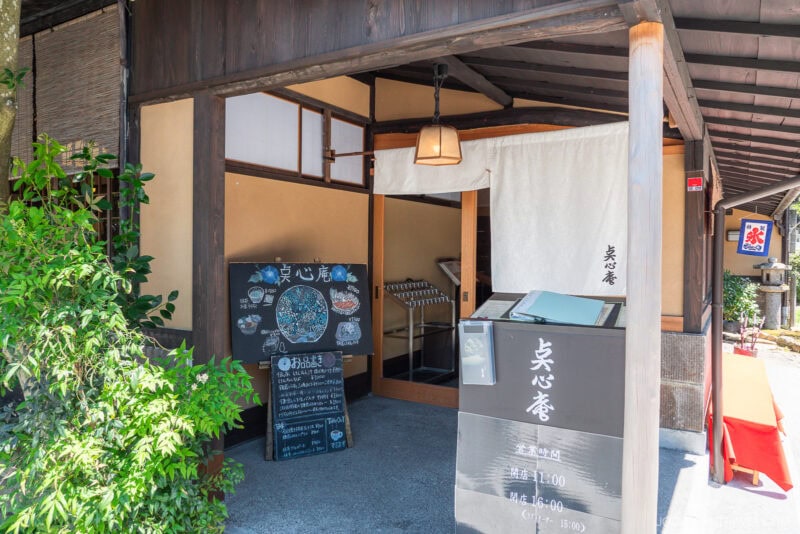
After exploring the expansive grounds of Kenchoji Temple, we were ready for a restful break. Just outside the temple entrance, we found Tenshin-an, a cafe-style eatery rooted in Zen philosophy. The name “Tenshin” comes from a Buddhist term for a light, mindful meal, and that spirit is woven into every detail here.
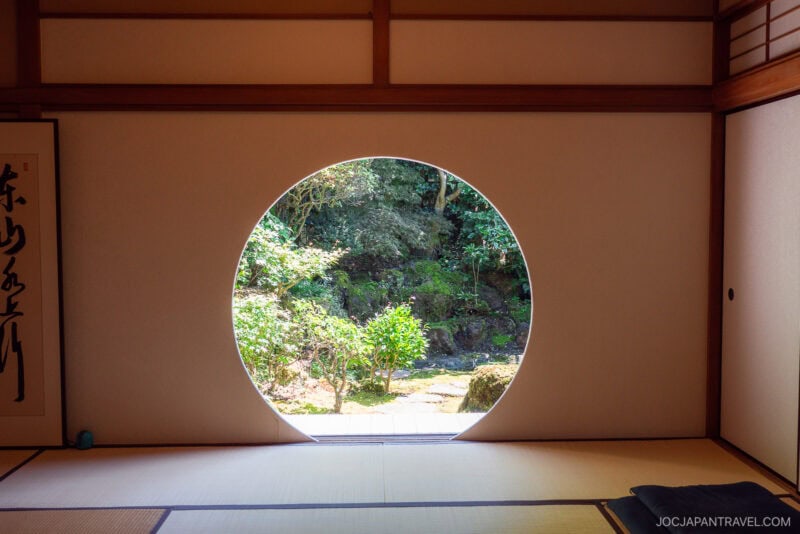
Inside, the circular window framing a small garden immediately caught our attention. From the tatami room, we sat on floor cushions in traditional style, looking out at the greenery while enjoying our meal. It felt like an extension of the temple itself—quiet, intentional, and reflective.
What’s on the Menu?
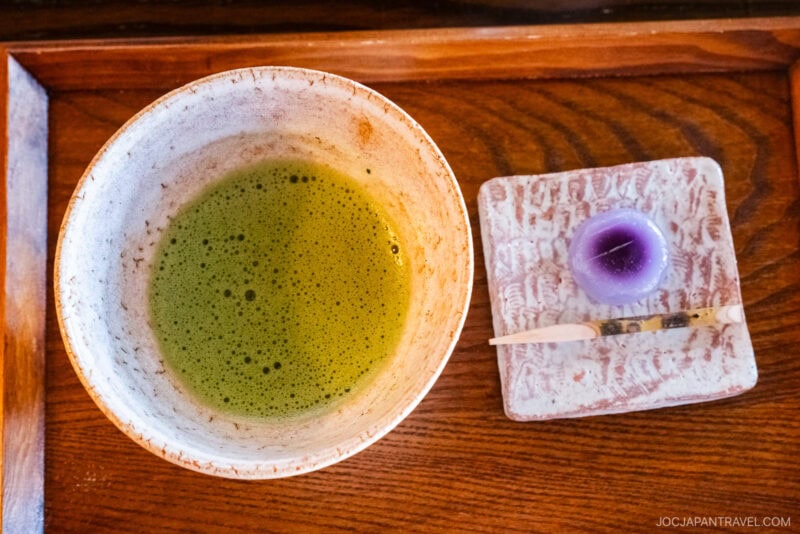
The menu is simple yet thoughtful, with dishes connected to local tradition and seasonal life in Kamakura.
- Kenchinjiru – A hearty vegetable soup that originated at Kenchoji Temple. The recipe is prepared with the temple’s guidance, making it the most authentic version you can try.
- Shirasu-don – Rice bowls topped with baby whitebait, a Kamakura specialty.
- Japanese curry – Comforting and flavorful, sometimes served with omurice.
- Cold soba noodles – A refreshing option on summer days.
- Omurice – A fluffy omelet over ketchup-flavored fried rice, loved by both kids and adults.
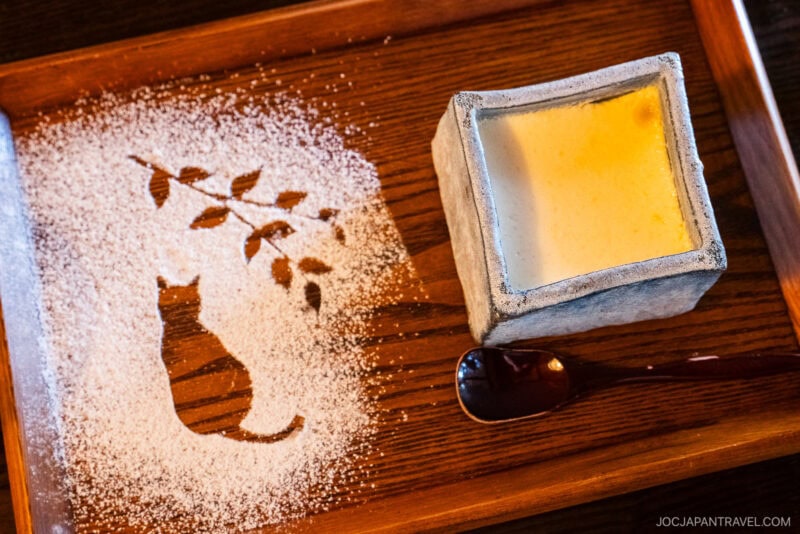
Drinks include tea, soft drinks, and seasonal specialties. Many incorporate honey made on-site from the restaurant’s own bee apiary. We tried the honey soda, which was light and refreshing, and even bought a jar of honey to bring home.
More Than a Meal
Tenshin-an also features a small art studio showcasing local works. The creative atmosphere pairs beautifully with the food and setting. We lingered longer than expected, admiring the garden, and savoring the calm. It was the perfect pause before continuing our visit in Kamakura.
How to Get to Restaurant Tenshin-an
By Train
From Kita-Kamakura Station, it’s about a 15-minute walk through the quiet northern side of Kamakura. From Kamakura Station, the walk takes around 25 minutes.
By Taxi
A taxi from Kamakura Station takes about 10 minutes depending on traffic. Ask for the Kenchoji Temple entrance.
Pro Tip: Plan your meal at Tenshin-an right after visiting Kenchoji Temple for the smoothest route and a natural break in your day.
Is Restaurant Tenshin-an Worth Visiting?
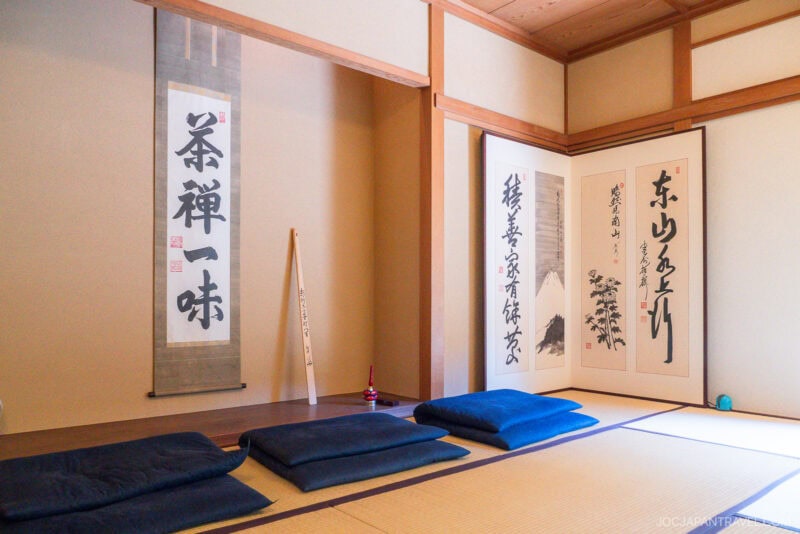
Tenshin-an is well worth a stop if you’re visiting Kenchoji. The menu reflected the balance and simplicity of Zen cooking, and the atmosphere was so peaceful that lunch felt almost meditative. It was a beautiful way to connect with the spirit of the temple beyond the grounds.
More to Explore Nearby
After enjoying a meal or snacks at Tenshin-an, you are perfectly placed to explore the deep spiritual heart of Kamakura, surrounded by the city’s oldest and most historically significant Zen temples, famous shrines, and tranquil bamboo groves.
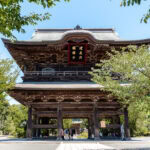
- Kamakura Kencho-ji – Visit the nearby grounds of the city’s oldest Zen Buddhist temple, featuring beautiful Zen gardens and significant architecture.
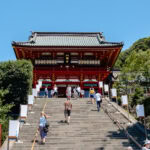
- Tsurugaoka Hachimangu – Discover the city’s most important Shinto shrine, central to the city’s history and connected by a long approach road lined with cherry trees.
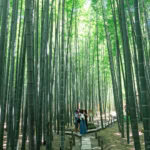
- Hokokuji Temple – Find tranquility at the unique “Bamboo Temple,” famous for its beautiful grove and small tea house where you can enjoy matcha.
- Kamakura Kotoku-in (Great Buddha) – Visit this monumental outdoor bronze statue of Amida Buddha, the most famous and recognizable symbol of Kamakura.