This post may contain affiliate links. Please read our disclosure policy.
Step into the timeless beauty of Byodoin, a UNESCO World Heritage temple in Uji that offers one of the clearest surviving glimpses into Japan’s Heian period, and an image so iconic it appears on the ten yen coin.
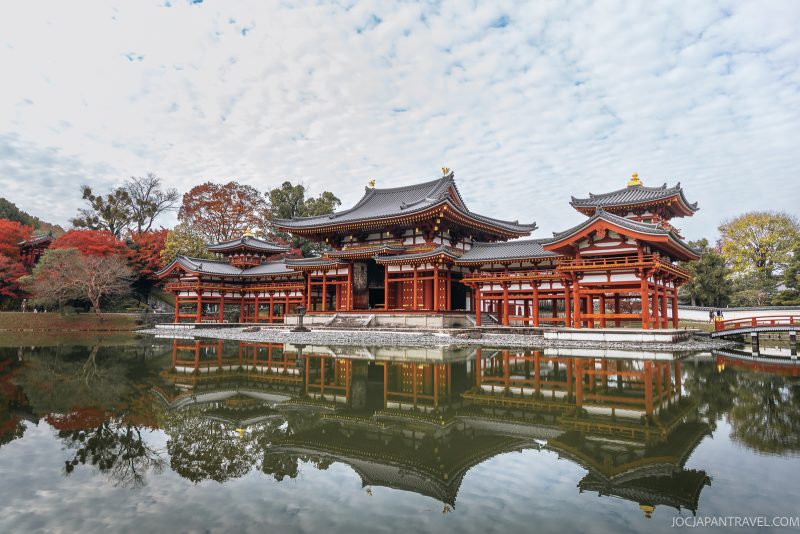
Byodoin (平等院) sits in the city of Uji, south of central Kyoto. It began life in 998 as an elegant countryside villa for the powerful Fujiwara clan. In 1052, the family converted it into a temple built around the ideals of Pure Land (Jodo) Buddhism. Today it holds UNESCO World Heritage status and ranks among Japan’s most influential temples. The Phoenix Hall at its center is one of the few wooden buildings to survive from the Heian period, making Byodoin a rare direct link to Japan a thousand years ago.
What is Byodoin
Byodoin is a Buddhist temple complex in Uji, about 15 minutes from Kyoto Station by train. The grounds center on the Phoenix Hall, which sits on an island in a reflecting pond and holds a National Treasure Amida Buddha statue. The complex also includes the Hoshokan Museum, built partly underground to preserve the site’s natural setting, and a tea room. Uji is Japan’s most famous green tea region, which makes Byodoin an easy pairing with a tea-focused day trip.
Quick Facts
- Built in 998 as a Fujiwara clan villa; converted into a temple in 1052
- UNESCO World Heritage Site; the Phoenix Hall dates to 1053
- Houses a 2.4-meter Amida Buddha statue designated a National Treasure of Japan
- Featured on the ten yen coin since 1951 and the phoenix emblem on the 10,000 yen banknote since 1958
- Phoenix Hall interior accessible by guided tour only (Japanese language, 20 minutes, 20 people per tour, 3 tours per hour)
My Experience at Byodoin
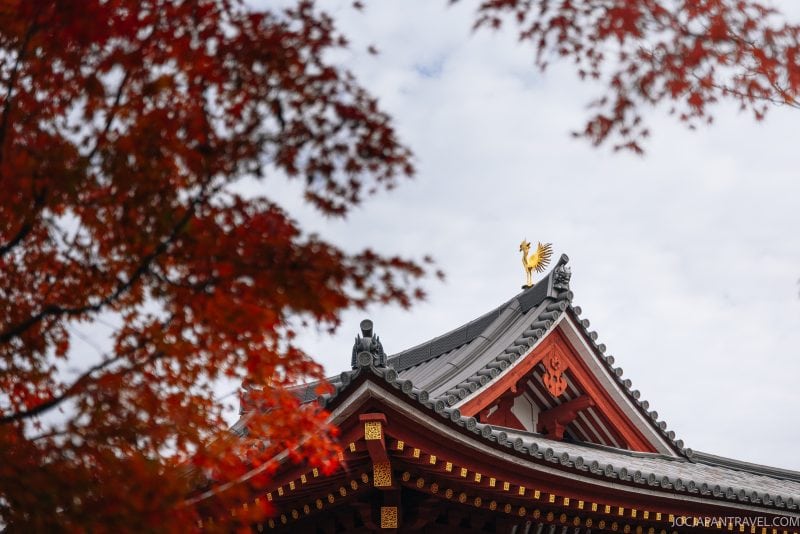
The Phoenix Hall is the reason to come. Fujiwara no Yorimichi built it in 1053, and its design deliberately resembles a phoenix in flight. The curved roofs and extended corridor pavilions form the wings. A pair of bronze phoenixes perch on the roof, symbolizing rebirth and eternity. Fires and other disasters have damaged Byodoin’s other structures over the centuries. The Phoenix Hall survived them all. That alone makes it remarkable.
Visiting the Phoenix Hall Interior
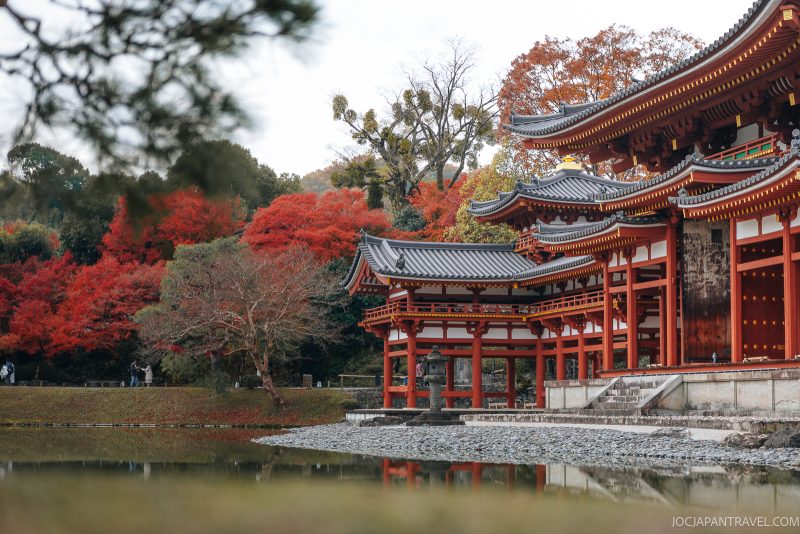
Entering the hall requires joining a guided tour. Tours run in Japanese only and last about 20 minutes. Photography is strictly prohibited inside. Each tour caps at 20 people with only three tours per hour, so spots go quickly. I lined up at 8:30 am. By the time the ticket counter opened at 9:00, a long queue had already formed behind me. Arrive early if you want to see inside.
Inside, the 2.4-meter Amida Buddha statue dominates the space. It carries National Treasure designation. Around it, 52 wooden bodhisattvas hang on the walls, carved to appear as if playing musical instruments and dancing on clouds. The effect is genuinely celestial and impossible to capture in words. This is why the tour is worth queueing for.
The Hoshokan Museum
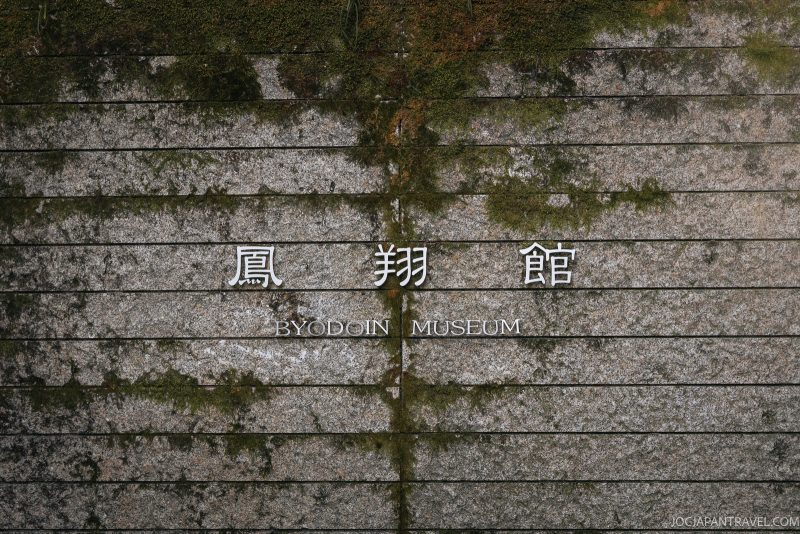
The Hoshokan Museum sits partially underground so it does not disrupt the temple’s natural setting. It holds a strong collection of National Treasures and Important Cultural Properties. The standout is the Byodoin Bell, one of Japan’s most celebrated temple bells, decorated with intricate carvings of celestial beings, phoenixes, and lions. Rare Buddhist relics and sculptures fill the rest of the space and give useful context to the temple’s history.
The Best Time to Visit
Autumn is the season to come. Crimson maple leaves surround the pond and reflect in the water alongside the Phoenix Hall. The combined effect looks like a phoenix rising from flames, which feels almost too on-the-nose given the building’s design. It is one of the most striking temple scenes anywhere in Japan and worth planning a trip around.

Andy’s Travel Tips
These simple tips will help you when you visit.
- Arrive by 8:30 am to secure a Phoenix Hall tour spot. Only 20 people per tour and three tours per hour means spots sell out fast. I queued at 8:30 and there was already a long line by opening at 9:00.
- The interior tour runs in Japanese only. Even without the language, the Amida Buddha and the 52 bodhisattvas are worth seeing in person. Read up on them beforehand to get more from the visit.
- Visit in autumn if you can. The maple reflections in the pond alongside the Phoenix Hall create the single best view at Byodoin and one of the finest autumn scenes in the Kyoto area.
- Do not skip the Hoshokan Museum. It is included in your admission and holds the famous Byodoin Bell alongside several National Treasures.
- Pair your visit with Uji tea. Uji is Japan’s most famous green tea region. The tea room on the temple grounds opens 10:00 to 16:30, or explore the tea shops along the main street toward the river.
- Compare the temple to a ten yen coin while you are there. Byodoin has appeared on the coin since 1951, and holding one up against the real thing is a genuinely fun moment.
How to Get to Byodoin
Train
Rail is the primary and most convenient method for reaching the temple complex from major nearby hubs.
- JR Line (From Kyoto): Board the JR Nara Line at Kyoto Station. Taking a Miyakoji Rapid train reaches JR Uji Station in about 17 minutes (or roughly 24 minutes on a local train). From the station exit, walk east down the traditional street for about 10 minutes to reach the temple grounds.
- Keihan Electric Railway (From Osaka or Kyoto): If coming from central Kyoto or Osaka, take the main Keihan Line to Chushojima Station, then transfer to the Keihan Uji Line and ride to Keihan Uji Station. From the exit, cross the Uji River bridge; the temple entrance is a scenic 10-minute walk away.
Bus
- Local bus routes connect the surrounding towns, but train transit is generally preferred due to speed and frequency.
- Direct bus stops operate outside both JR Uji Station and Keihan Uji Station, though both stops leave you at the same 10-minute walking distance to the gates as the train stations themselves.
Taxi
- A taxi from JR Uji Station or Keihan Uji Station takes about 3 to 5 minutes to drop you off near the pedestrian approach, costing around ¥800 to ¥1,200.
- A taxi taking you all the way from central Kyoto (around Kyoto Station) takes about 30 to 40 minutes and typically costs between ¥5,000 and ¥7,000.
Pro Tip The pedestrian street leading up to the temple entrance (Byodoin Omotesando) is lined with centuries-old tea shops selling fresh matcha, green tea ice cream, and traditional sweets. On your walk back to the station, stop by one of the historic tea houses to sample authentic Uji matcha.
Is Byodoin Worth Visiting?
Yes, and it stands apart from most Kyoto temples. Very few Heian-period wooden buildings survive anywhere in Japan. Standing in front of one that has held its ground since 1053 is a rare experience. The Amida Buddha and the 52 bodhisattvas inside justify the early queue. Add the museum, the autumn reflections, and Uji’s tea culture, and it makes for one of the most rewarding day trips from Kyoto.
More to Explore Nearby
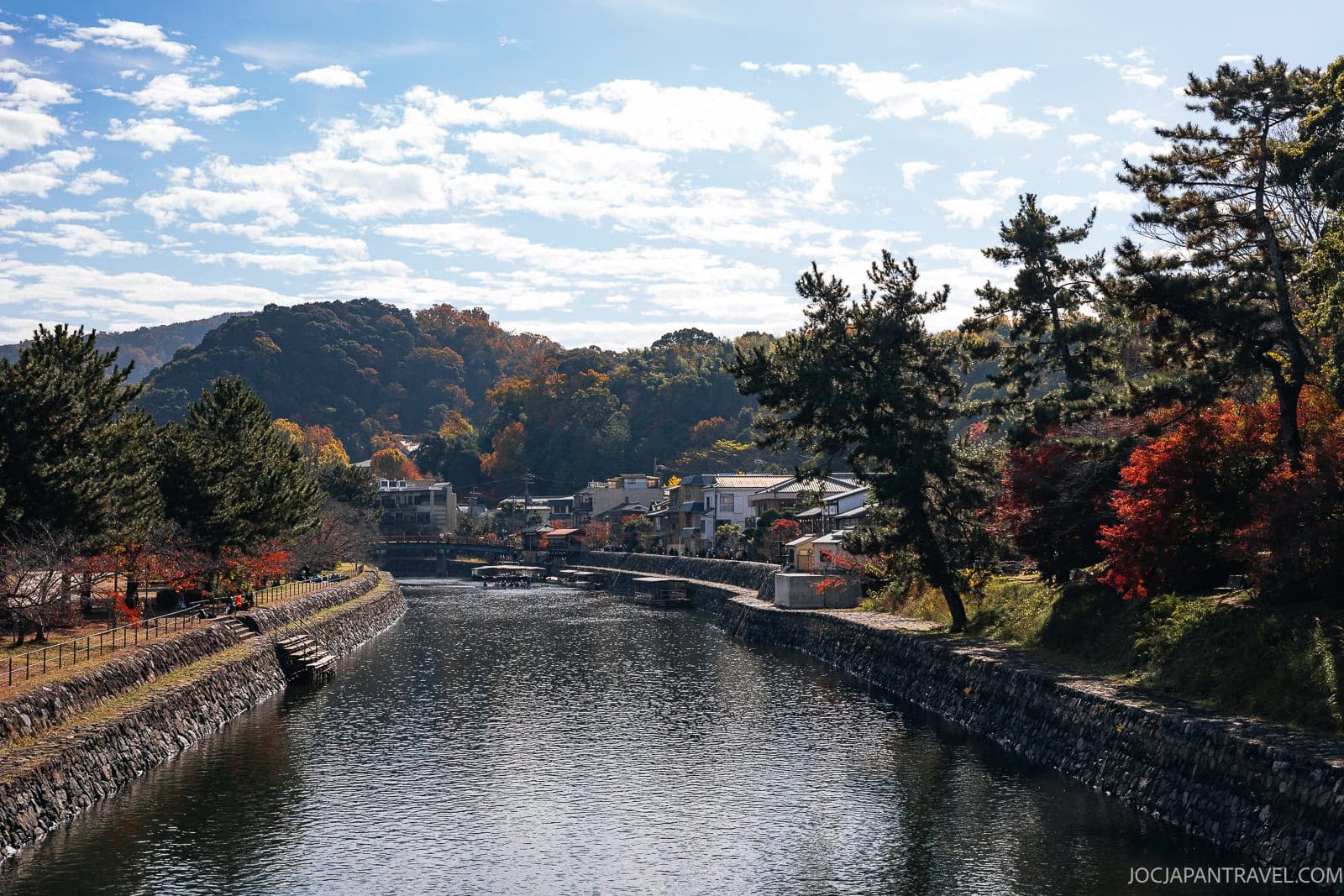
Byodoin sits in Uji, a tea-growing town tucked between Kyoto and Nara. The surrounding area blends some of Japan’s most celebrated temples with refined local food culture.
- Uji — Byodoin’s home town deserves more than a quick visit. Matcha shops, riverside walks, and the Tale of Genji heritage await.
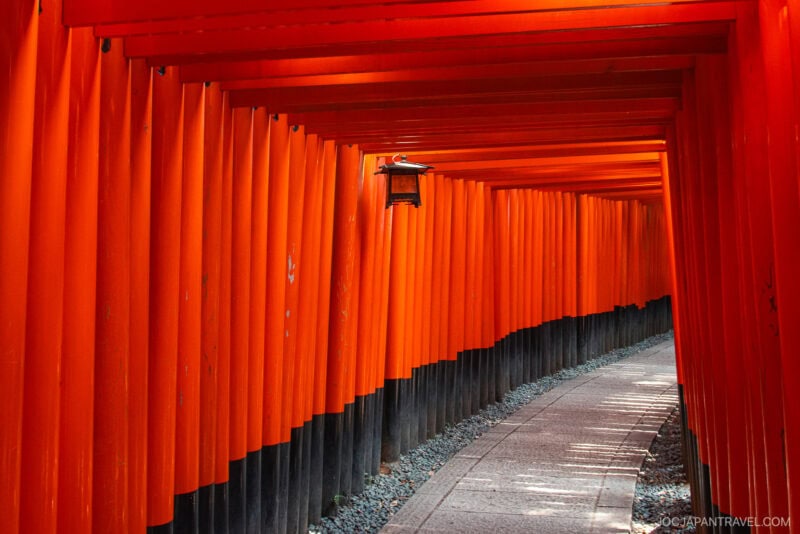
- Fushimi Inari Taisha — Kyoto’s famous tunnel of thousands of vermillion torii gates, just a short train ride north from Uji.
- Nara Park — Home to hundreds of friendly free-roaming deer, Nara is an easy side trip south from Uji.
- Toji Temple – Japan’s tallest wooden pagoda, fifteen minutes on foot from Kyoto Station. The flea market runs on the 21st.
- Chionin – Japan’s largest wooden temple gate and largest bell, beside Maruyama Park in Higashiyama.