This post may contain affiliate links. Please read our disclosure policy.
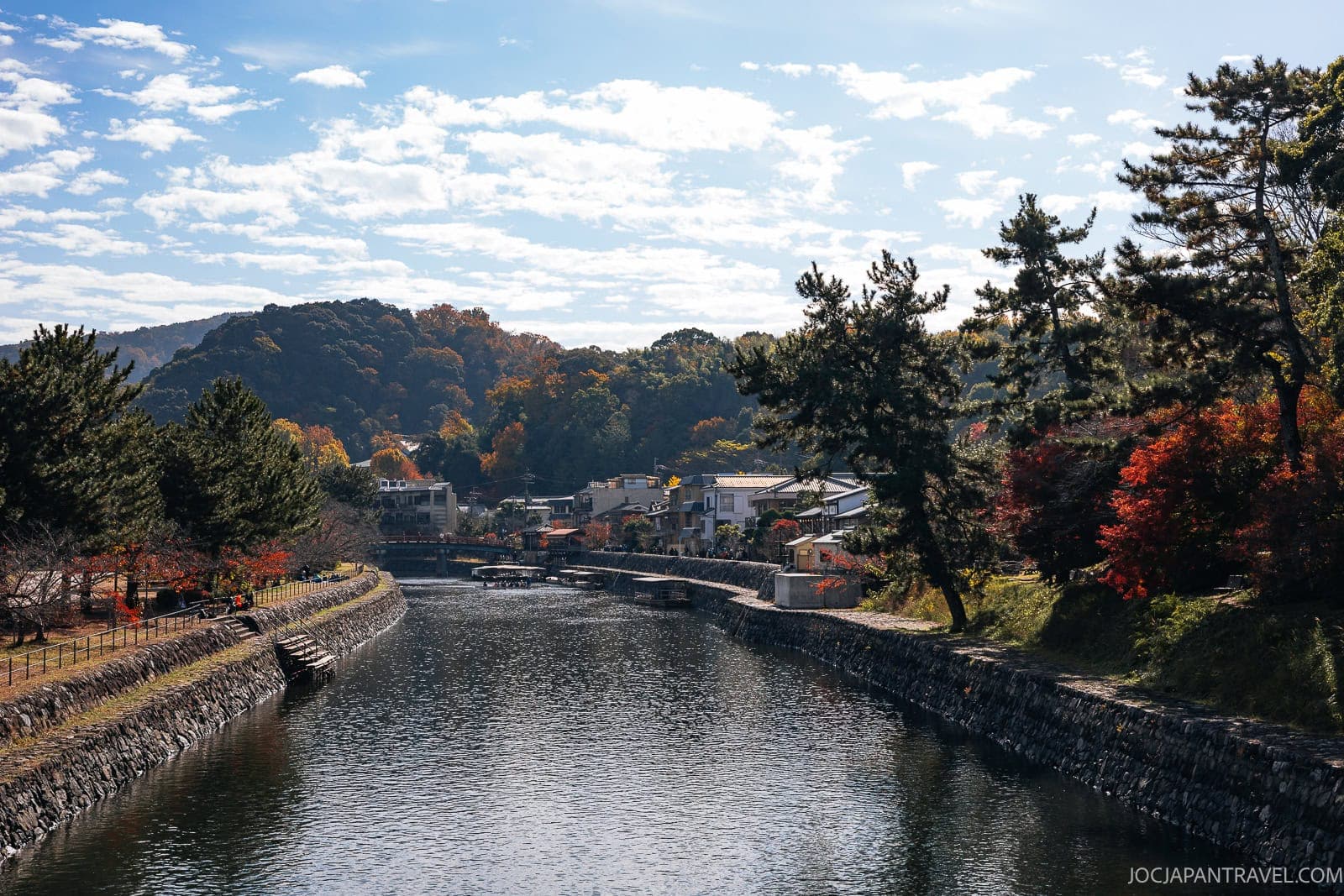
Let’s take a day trip to Uji (宇治), a picturesque riverside town located on the southern outskirts of Kyoto! Celebrated for its high-quality matcha and home to one of Japan’s most ancient bridges, it brims with alluring history and tea culture.
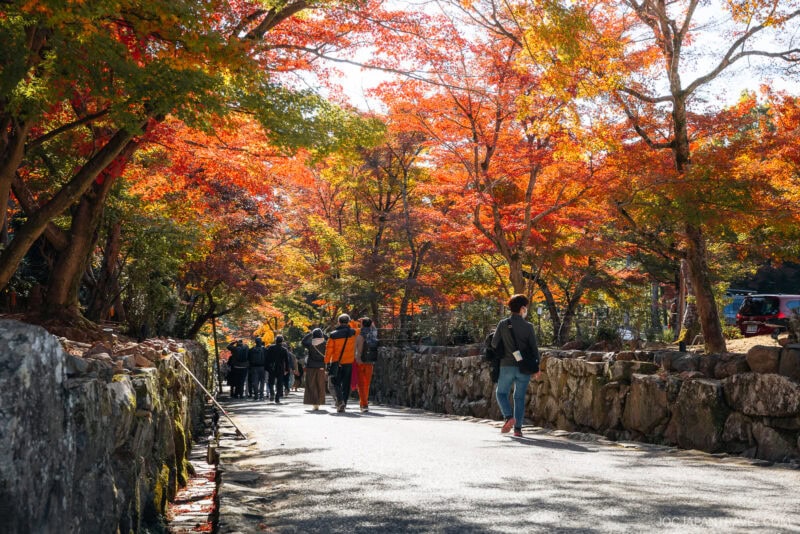
When autumn arrives, Kyoto transforms into a breathtaking tapestry of colors. After soaking in the sights of the city and Arashiyama, I made my way to South Kyoto to explore Uji.
The air was crisp, the rivers sparkled in the autumn sunlight, and the streets were lined with tea shops and historic temples. Famous for its green tea and matcha, Uji offers some of Japan’s most iconic riverside scenery, capturing the season perfectly.
Autumn in Kyoto Series
This is the third installment of a four-part series on experiencing autumn in Kyoto. Here, I share my top tips for enjoying the 紅葉 (kōyō – autumn leaves) at their most beautiful.
- Autumn in Kyoto Guide
- The Best Things to Do in Arashiyama Autumn
- Day Trip To Uji Japan
- Bonus: Osaka Autumn Travel Guide
How to get to Uji
Uji has two railway stations: JR Uji Station and Keihan Uji Station.
JR Uji Station is on the JR Nara Line from Kyoto Station. The rapid train takes 20 minutes, while the local train takes 30 minutes. A one-way ticket costs 240 yen, and the ride is covered by the Japan Rail Pass. Keep in mind, JR Uji Station is a bit farther from the main attractions.
Keihan Uji Station is on the Keihan Uji Line. From central Tokyo, you can catch the train at Sanjo Station or Gion Shijo Station. The journey takes about 40 minutes, but the Japan Rail Pass does not cover this line. Keihan Uji Station is closer to Uji’s main sights, which makes it convenient if you plan to explore on foot.
What is Uji famous for?
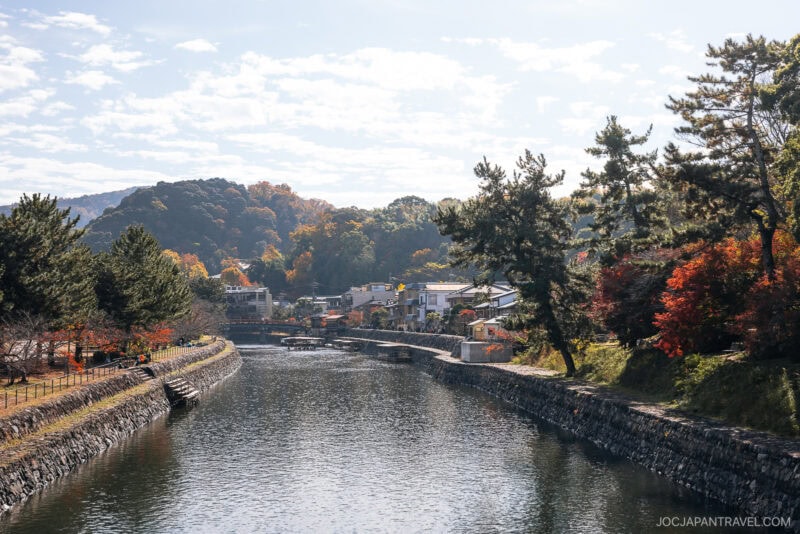
Uji (宇治) is a small city between Kyoto and Nara, best known as the birthplace of Japanese matcha. This charming riverside town also appears in the final chapters of the 11th-century classic The Tale of Genji and is home to two UNESCO World Heritage Sites: Byodoin Temple and Ujigami Shrine.
Tea has deep roots here. In the 13th century, monks Saicho and Kukai brought tea plants from China, and the Zen priest Eisai encouraged their cultivation. With fertile soil and ideal terrain, Uji quickly became Japan’s premier tea-growing region. Today, its green tea is celebrated worldwide.
All around Uji, you’ll find tea fields and even hands-on harvesting experiences between April and October. I drove out to Wazuka Tea Plantation and was rewarded with some of the most breathtaking landscapes I’ve ever seen.
Byodo-In Temple
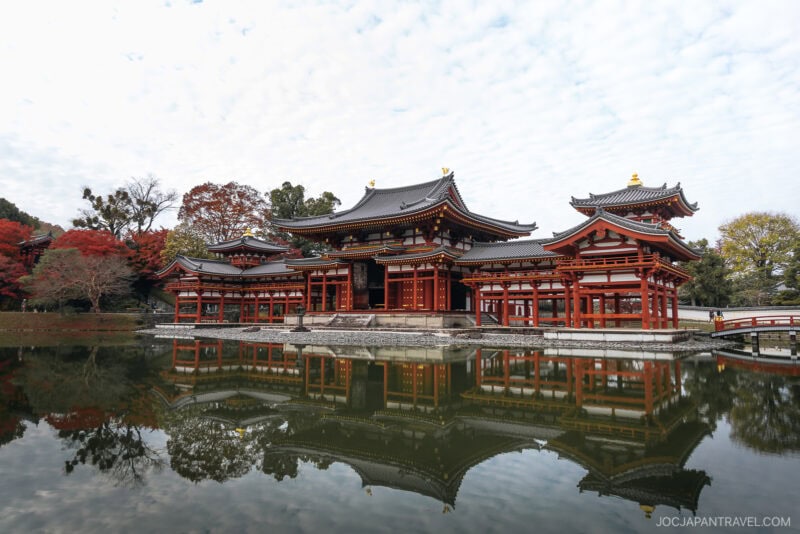
The main historical attraction in Uji is Byodo-In Temple, a UNESCO World Heritage Site. I arrived early to beat the crowds and was greeted by rows of red maple trees leading to the entrance.
Even ten minutes before opening, there was already a small line. Admission is 600 yen.
Byodo-In Temple Phoenix Hall

Originally a villa built in 998, Byodoin was transformed into a temple in 1052 by Fujiwara no Yorimichi. Its Phoenix Hall, crowned with golden phoenix statues, symbolizes the Buddhist “Pure Land.”
Inside, you’ll find a striking Amida Buddha statue surrounded by murals of paradise. Entry to the hall requires an additional 300 yen ticket with a timed tour (Japanese only).
The temple’s reflection in the pond is breathtaking, especially in autumn. You may also recognize it from Japan’s 10 yen coin and 10,000 yen bill. The grounds include a museum, a café, and smaller shrines.
After exploring, stroll along Byodoin Omotesando, a lively street lined with tea shops and cafés. I stopped for a creamy matcha latte at ますだ茶舗 TEA STAND SHOP, a refreshing pick-me-up before continuing.
Matcha Flavors in Uji
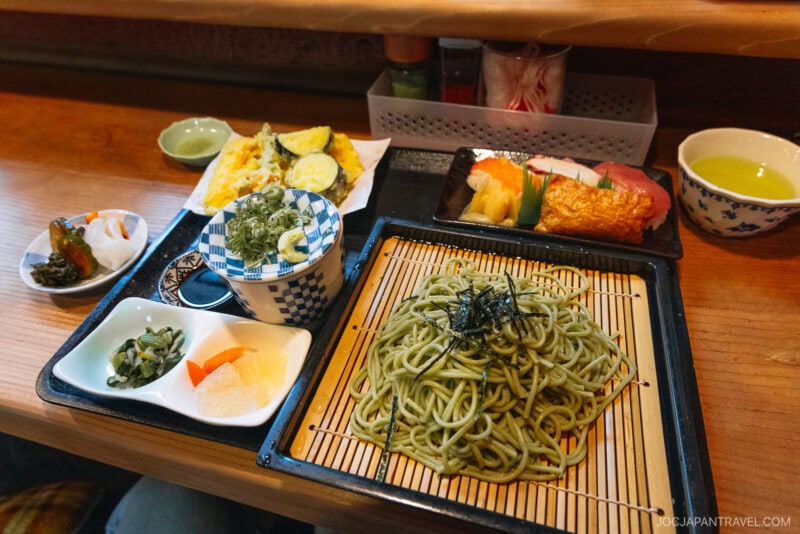
All around Uji, cafés and restaurants highlight green tea in their dishes, with green tea soba being a local favorite.
Tucked along a narrow side street, I found Torikiku, a family-run soba shop with a cozy, welcoming atmosphere. For just $8 (in 2023), I enjoyed a zaru green tea soba set complete with sushi, tempura, and pickles. The soba had just the right earthy flavor, and the homely atmosphere made the meal even more memorable.
Tea Ceremony at Taihoan

For a more traditional experience, I joined a tea ceremony at Taihoan, a small tea house near Byodoin. In a tatami room, a kimono-clad host prepared bowls of matcha with such grace and precision that it felt like a moving meditation. Each bowl came with a piece of wagashi (traditional Japanese sweet).
Afterward, I tried a matcha-making workshop, learning the proper way to use the bamboo whisk to create the frothy foam. The staff were welcoming, and some spoke English, making the process easy to follow.
For more details about reservations, please visit their website here.
Ujigami Shrine
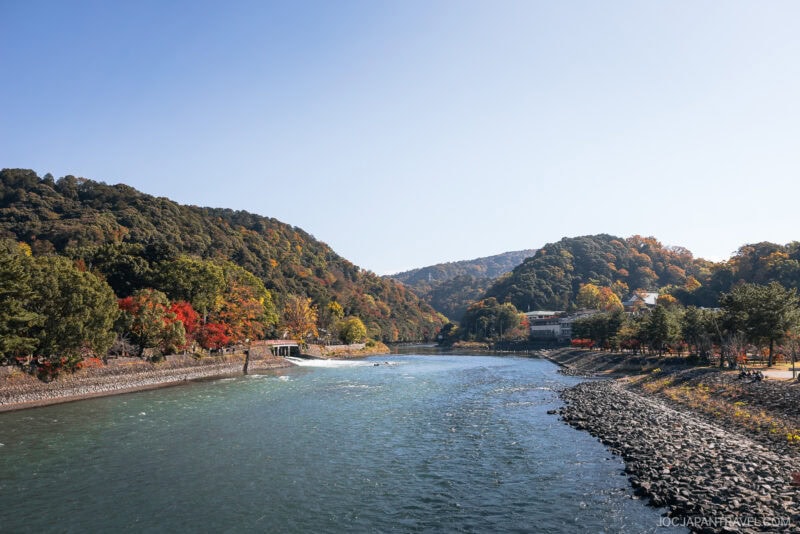
After leaving Taihoan, I wandered across the bridges and small islands along the Uji River. You can also take a leisurely boat ride here, and in the evening, traditional cormorant fishing is performed, much like the events in Arashiyama.
Nearby is Ujigami Shrine, believed to date back to 1060 and recognized as Japan’s oldest standing Shinto shrine. Originally built as a guardian shrine for Byodoin, it became a UNESCO World Heritage Site in 1994. The grounds are free to enter and, though modest, are especially lovely in autumn. The shrine’s nagare-zukuri style, with its asymmetrical roof, adds to the quiet charisma.
Kosho-Ji Temple
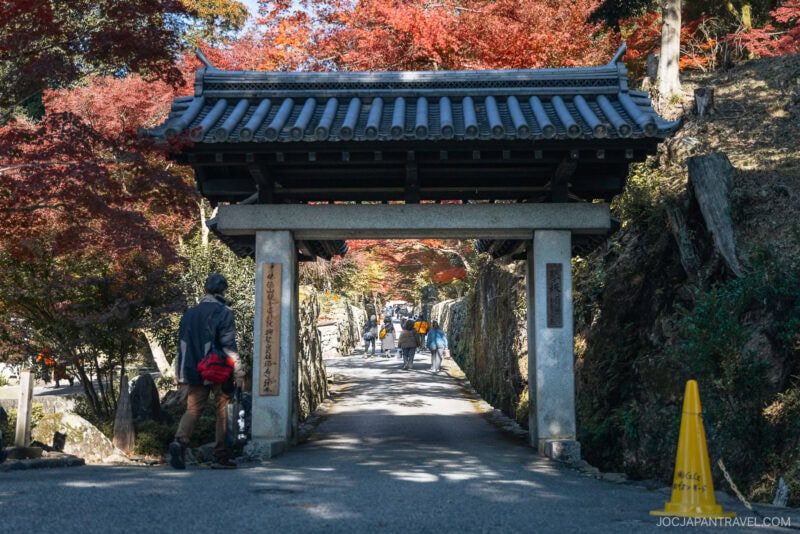
Nearby, Kosho-ji Temple features one of Uji’s most scenic approaches along the maple-lined Kotozaka slope. Inside, you’ll find serene gardens, a stone pagoda, and striking “bloody ceilings” made from castle floorboards.
Admission is 500 yen, and the temple is especially enchanting in autumn. If you visit on the first Sunday of October, don’t miss the Uji Tea Festival, where priests offer ceremonial bowls of tea to honor the pioneers of Uji’s tea culture.
Fukujuen Uji

What better way to end a trip to Uji than with more matcha? I visited Fukujuen Uji, a tea shop and cultural center. Here you can learn how matcha is made, grind your own tea leaves, or join a tea ceremony.
The café upstairs serves matcha-inspired dishes and desserts. I treated myself to Uji matcha anmitsu, a refreshing bowl of agar jelly, fruit, red bean, mochi, matcha ice cream, and sweet matcha syrup.
Final Thoughts
Uji is a city full of history, breathtaking scenery, and incredible food and drinks. Matcha lovers will feel right at home, and whether you visit for a day or stay longer, there’s plenty to discover at a relaxed pace.
After Uji, I continued on to Osaka to enjoy more fall foliage. You can follow along in the Osaka Autumn Foliage Guide and keep exploring the beauty of autumn in Japan.
More to Explore Nearby
Uji is renowned for its historical temples, connection to classic Japanese literature, and, most importantly, its superb green tea. It is ideally situated near Kyoto’s most iconic and culturally rich districts.
- Kinkaku-ji (Golden Pavilion) – Visit this striking Zen temple, famous for its upper floors entirely covered in gold leaf and its picturesque reflection across a tranquil pond.
- Gion District – Explore Kyoto’s most famous geisha district, where historic wooden machiya houses line the streets and traditional culture thrives.
- Sanjusangendo Temple – Discover the world’s longest wooden temple hall, housing a thousand life-sized statues of Kannon, the goddess of mercy.
- Nishiki Market (Kyoto) – Explore Kyoto’s “Kitchen,” a bustling narrow arcade where you can sample unique pickled foods, traditional sweets, and local Kyoto ingredients.