This post may contain affiliate links. Please read our disclosure policy.
The Uji River splits the town in two and ties every sight together. I walked it end to end on an autumn afternoon.
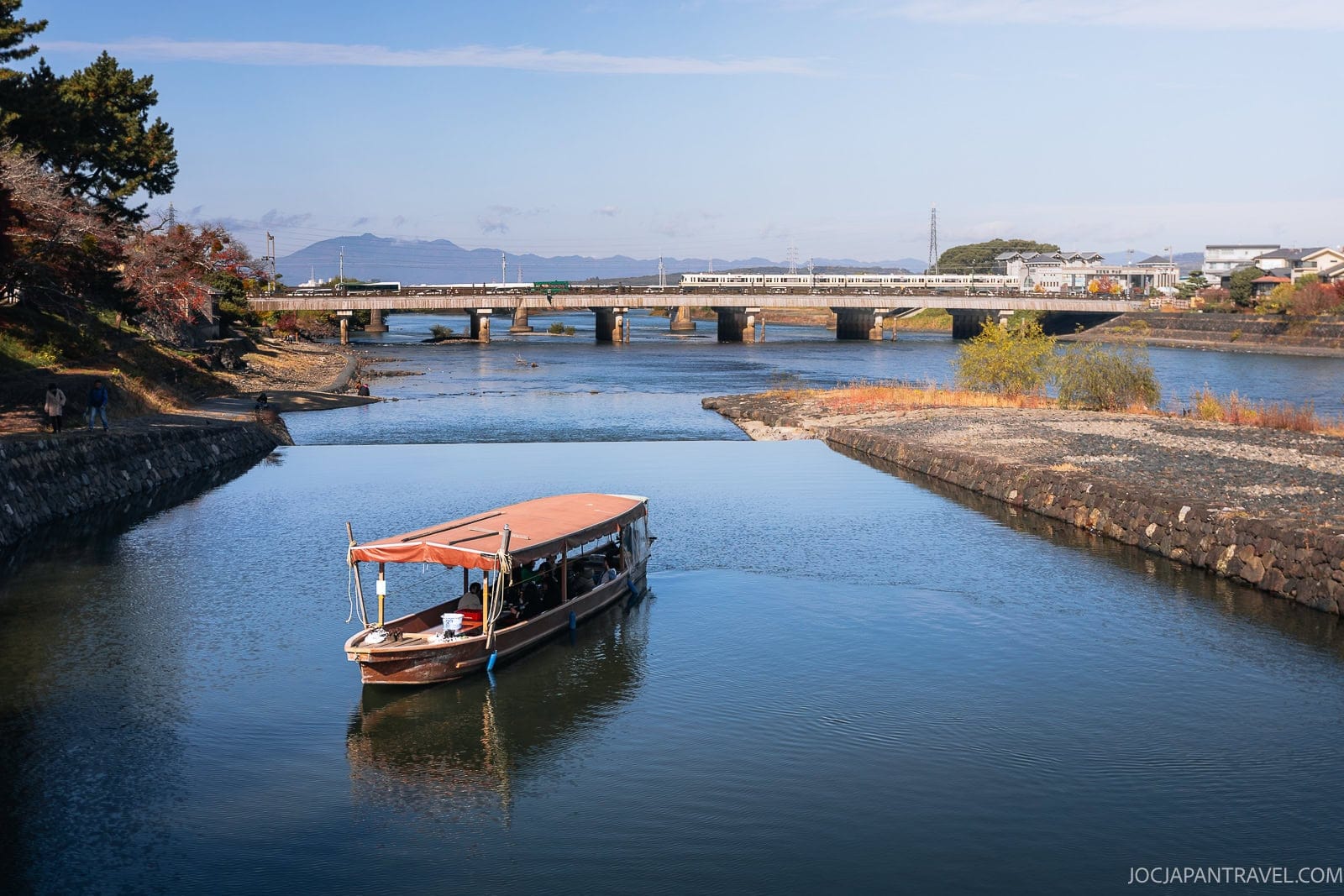
Uji is small enough that the river is the map. Stand on the bridge, and you can see most of what you came for. Temples on one bank, tea houses on the other, an island in between.
The water moves faster here than it looks in photographs. I came to photograph it and ended up just standing there for a while.
Quick Facts
- Free to walk the riverside path and the island at any hour
- Byodoin and Ujigami Shrine, both UNESCO World Heritage Sites, sit a short walk from the bridge
- River cruise: 11:00–17:00, 1,200 yen plus the cost of a meal. Irregular closures, and weather cancels it
- Ukai cormorant fishing: July and August from 19:00, September from 18:30, roughly one hour. 2,000 yen adults, 1,000 yen children
- The Ujigawa Cherry Blossom Festival runs along the banks each spring
My Experience Along the Uji River
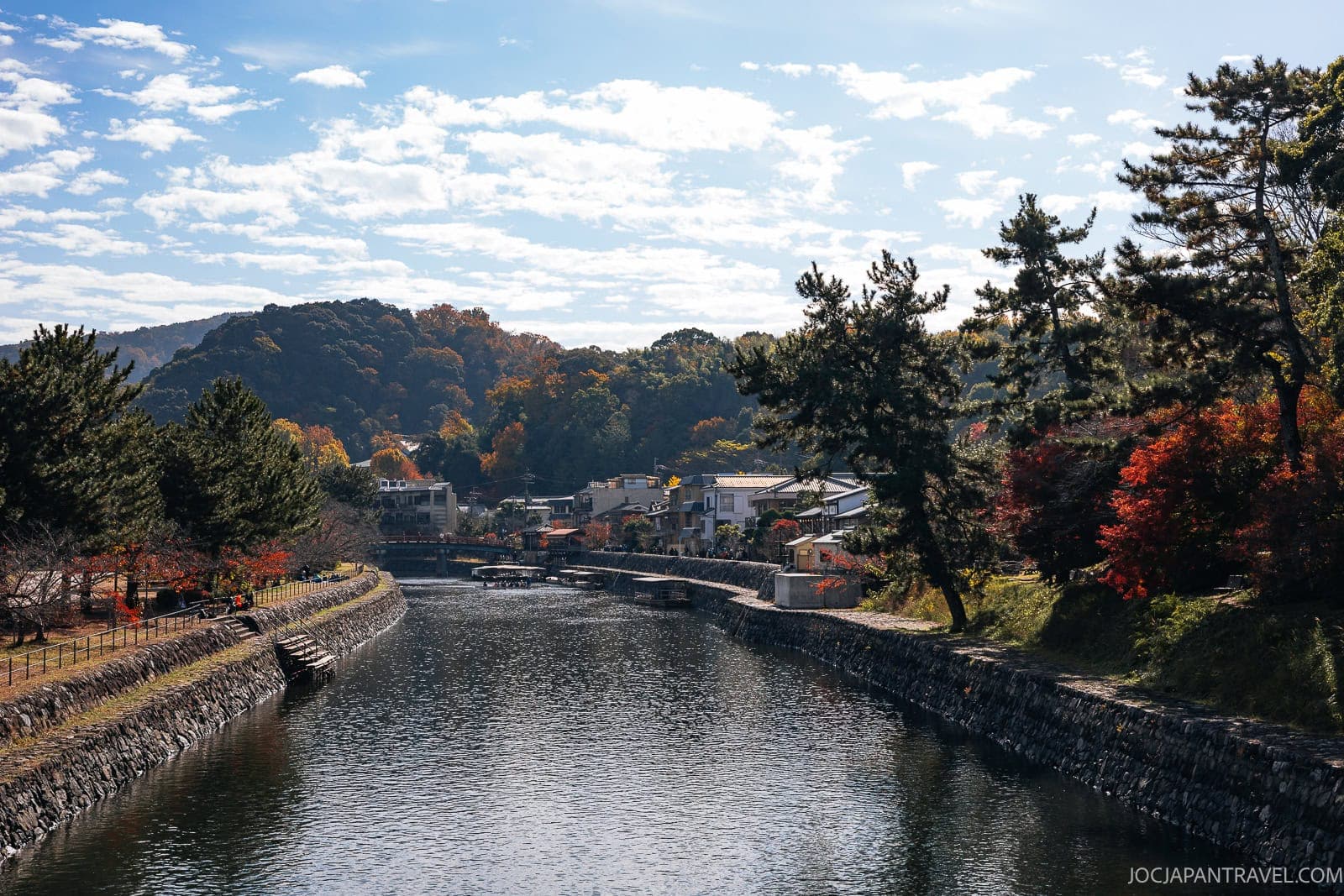
Everything in Uji happens within sight of this water. The river cuts the town in two and the sights arrange themselves along both banks, which makes it hard to get lost. I worked from the bridge down to the island. Then along the bank to where the boats go out.
The bridge is also the dividing line for how you plan the day. Tea houses and the Omotesando shops sit on the Byodoin side. The quieter walking and the shrine sit on the other. Cross once, and you have seen both halves.
Uji Bridge
Uji Bridge is one of Japan’s oldest bridges. The first version went up in 646, and it has been rebuilt many times since. Murasaki Shikibu set the closing chapters of The Tale of Genji here in the 11th century. That is why the bridge turns up so often in Japanese art, from woodblock prints to anime.
A small platform projects from the center of the span, called the sannoma. Toyotomi Hideyoshi is said to have drawn water from it for a tea ceremony. The town still marks it every October during the Uji-cha Festival.
The Island and Japan’s Tallest Stone Pagoda
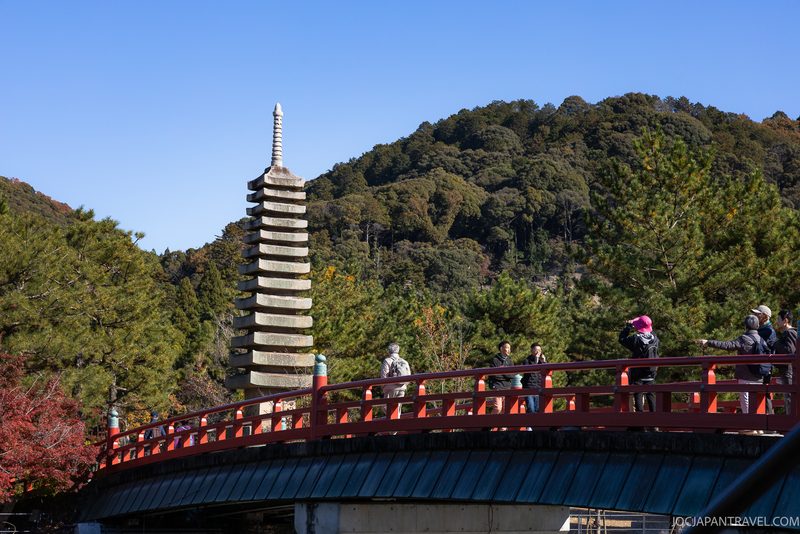
South of the bridge, a red footbridge crosses to Tonoshima, a narrow island in the middle of the river. The stone pagoda there is Japan’s tallest, at 15 meters. It is quieter than either bank, and there are benches.
I saw more locals eating lunch here than visitors taking photographs, which says a lot. The current runs hard on both sides of the island, and you can hear it the whole time you are on it.
Cherry Blossoms in Spring
Upstream, the banks fill with cherry trees, and the town runs a festival along them every spring. The trees line the water for a long stretch, so the crowds spread out more than they do at a single park. I have not seen it in bloom. I came in autumn instead, when the crowds thin out and the maples do the work.
Cruises and Cormorant Fishing
I watched the cruise boats going out on the afternoon I was there. They serve set meals on board, soba and eel and whatever is in season, while you drift past the temples.
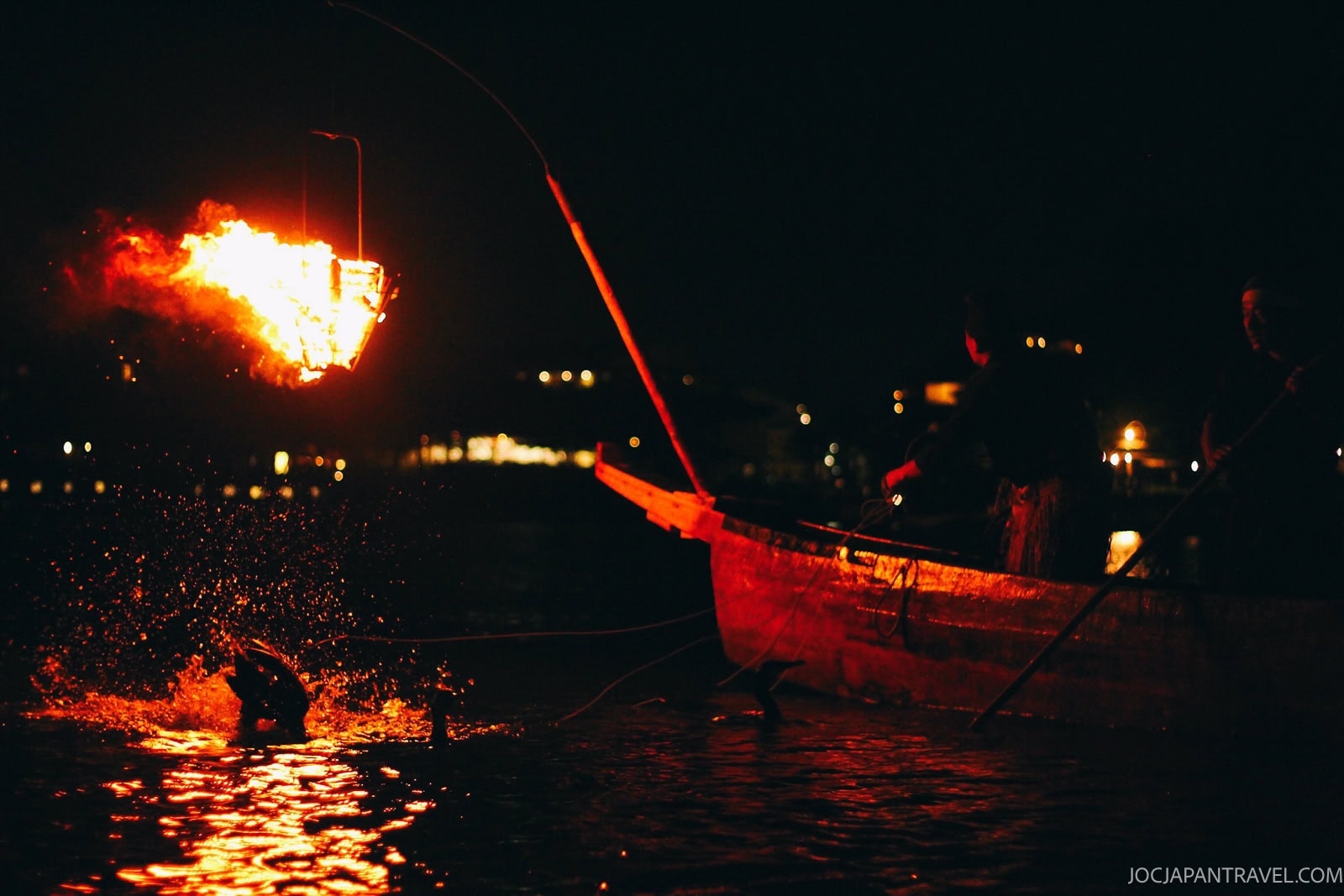
From July to September, the river also runs Ukai cormorant fishing after dark. Trained birds catch fish by torchlight, which sounds like a tourist invention and is not. I saw it first in Arashiyama and would go out of my way for it again.
Two World Heritage Sites, Both Walkable
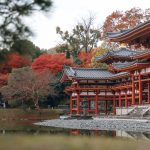
Byodoin sits a few minutes south of the bridge on the west bank. Ujigami Shrine faces it from the east side. Both carry UNESCO World Heritage status, and the walk between them takes about ten minutes. Most visitors do Byodoin and stop there.
Ujigami is small and quiet and asks very little of your day. Crossing the water for it is the easiest addition you can make to a Uji itinerary. The approach runs through trees, and you hear the river most of the way.

Andy’s Travel Tips
These simple tips will help you when you visit.
- Start at the bridge. Everything in Uji sits within a few minutes of it, so it is the easiest place to get your bearings.
- Cross to the island. Most people walk straight past Tonoshima on the way to Byodoin. It is the quietest spot on the river.
- Book cormorant fishing ahead. It runs only in summer, it starts after dark, and bad weather cancels it outright.
- Come in autumn if you dislike crowds. Spring brings the cherry blossom festival and the numbers that come with it.
- Treat the cruise as lunch. The fare includes a set meal, so it replaces a restaurant rather than adding to the day.
- Cross for Ujigami Shrine. It is a short walk from Byodoin, holds the same World Heritage status, and takes ten minutes to see.
How to Get to the Uji River
Train
Rail lines drop you off right near the riverbanks, making train travel the simplest option.
- Keihan Electric Railway (Closest to the River): Board the Keihan Main Line from central Kyoto (e.g., Gion-shijo Station or Sanjo Station) or Osaka to Chushojima Station, then transfer to the Keihan Uji Line. Ride to the terminus at Keihan Uji Station. Walk out of the exit and the Uji Bridge crossing the river will be right in front of you, just a 1 to 2-minute walk away.
- JR Line (From Kyoto Station): Take the JR Nara Line from JR Kyoto Station to JR Uji Station (a 17 to 20-minute ride on the Miyakoji Rapid). Exit the station and walk straight down the main town avenue toward the east for about 5 to 8 minutes to reach the riverbank near Uji Bridge or Byodoin Omotesando.
Taxi
- A taxi taking you from JR Uji Station to the riverfront takes about 3 minutes, costing around ¥800 to ¥1,000.
- A taxi taken directly from central Kyoto (around JR Kyoto Station) takes roughly 30 to 40 minutes and typically costs between ¥5,000 and ¥7,000 depending on traffic.
Pro Tip
Cross over the river via the famous red Asagiri Bridge to reach Ujigami Shrine on the east bank, or walk onto Nakanoshima Island in the middle of the river, which features peaceful park benches, stone pagodas, and panoramic views of the surrounding tea hills.
Is the Uji River Worth Visiting?
Yes, though not as a destination in its own right. The river is what makes a day in Uji hold together. Walk it between Byodoin and the tea houses and you get the town in the right order. If you have one hour in Uji and nothing more, spend it at Byodoin instead.
More to Explore Nearby

- Uji Tea – Where the town’s tea actually comes from, and where to sit down and drink it.
- Byodoin – The Phoenix Hall, a few minutes from the bridge and the reason most people come.
- Day Trip to Uji – The wider town in half a day, with the shrines and the route between them.
- What to Eat in Kyoto – Twelve dishes worth planning meals around, once you head back into the city.