This post may contain affiliate links. Please read our disclosure policy.
Soaring mountains, ancient hot springs, behemoth snow-covered firs, unearthly pilgrimage trails, enchanting historic towns, and mouthwatering local cuisines—Yamagata, a prefecture in the southern Tohoku region, offers everything a visitor could ask for!
Surrounded by the Sea of Japan to the west and towering mountains to the east, Yamagata is one of Tohoku’s most stunning destinations. From the majestic Zao Mountain Range to the soothing hot springs of Ginzan Onsen, the prefecture is packed with must-visit spots.
History and culture are everywhere, from centuries-old temples to lively local festivals that keep traditions alive. The flavors of Yamagata are just as unforgettable. One visit, and you’ll understand why this corner of Tohoku leaves a lasting impression.
How to Get to Yamagata
Yamagata Station is easily reached from Tokyo via the Yamagata Shinkansen in about 2 hours and 45 minutes for 11,250 yen one way.
If you prefer flying, head to Sendai Airport, then take the Sendaikuko Access Line to Sendai Station (25 minutes, 660 yen) and the JR Senzan Line to Yamagata (1.5 hours, 1,170 yen). Express trains are slightly faster.
From Yamagata Station, buses, trains, or a rental car make exploring nearby cities like Sakata and Shinjo easy. Having a car also lets you discover hidden gems, like a riverside park bursting with shibazakura that I wouldn’t have found otherwise.
Yamadera
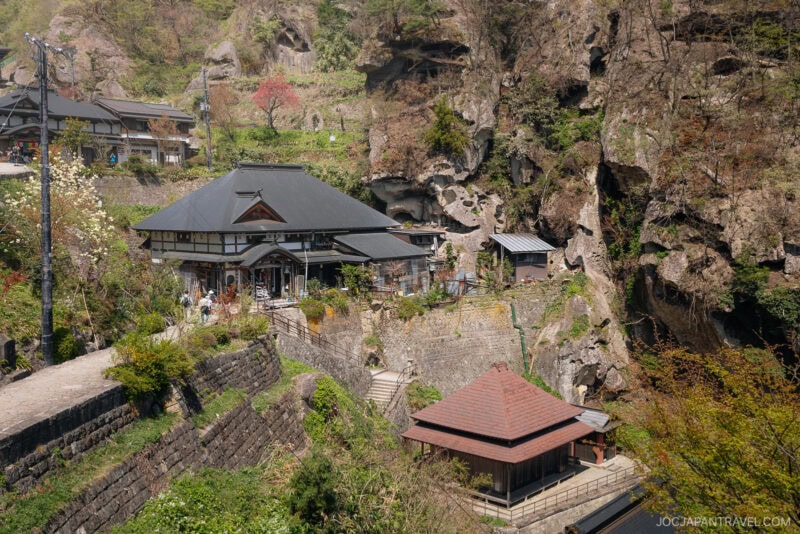
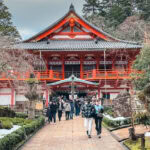
Yamadera, or Risshakuji Temple, was founded in 860 and sits just a five-minute walk from JR Yamadera Station. Be ready for the climb—1,015 stone steps lead to the top. I recommend grabbing a light bite at one of the cafes or restaurants at the base before you start.
As you ascend, the path winds past shrines, lanterns, and monuments nestled among towering cedars. The haiku master Basho Matsuo captured the temple’s serene beauty in his famous verse about the stillness and sound of cicadas.
At the summit, explore the Niomon gate, Kaisando Hall dedicated to the founder, the striking red Nokyodo Hall, and Godaido Hall, a wooden Noh stage with panoramic views of the Tachiya River Valley.
Mount Haguro
For a spiritual journey surrounded by nature, Mount Haguro is a must-visit. Part of the Three Holy Mountains of Dewa (Dewa Sanzan), it has drawn pilgrims since the 6th century.
Mount Haguro begins the sacred ‘Journey of Rebirth,’ where visitors pray for the present, past, and future at Haguro, Gassan, and Yudono, respectively. Pilgrims, or yamabushi, follow this ancient Shugendo tradition.
The climb starts at Zuishinmon Gate, with a 1.7 km ascent of 2,446 stone steps. Bring a towel, plenty of water, and sturdy shoes. The stone stairs are very steep in some areas!
Mount Haguro Pilgrimage
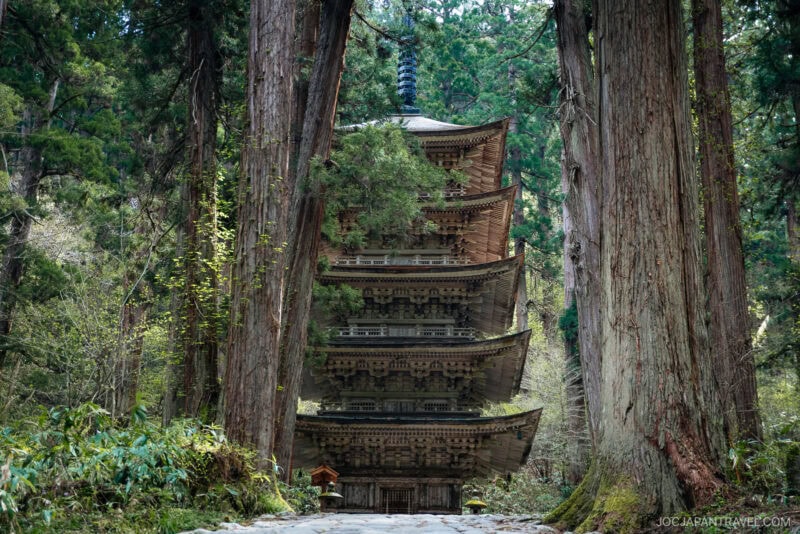
About 10 minutes into the climb, you’ll cross the vermilion Kyodagawa Bridge to a five-story pagoda nestled among towering cedar trees. I couldn’t help but pause to take it all in. The pagoda is a national treasure, and the surrounding cedars are a designated natural monument.
Keep an eye out for the Jisugi, an ancient cedar over 1,000 years old, and the 33 carved pictures along the trail. I tried to spot them all. Legend says your wish comes true if you do.
At the halfway point is Ninosaka Chaya teahouse, where you can rest and enjoy Chikara mochi for strength. It was under refurbishment during my visit, so I pressed on.
Near the summit, Saikan offers temple lodging with tatami rooms and shojin ryori made from fresh mountain vegetables.
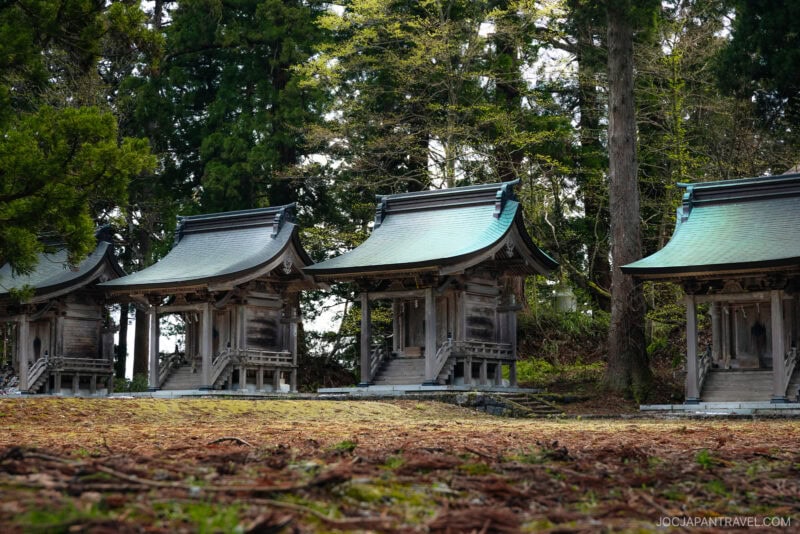
At the top, Sanjin Gosaiden shrine houses deities from all three Dewa Sanzan shrines, and the museum displays local arts and artifacts. You can drive up if needed, but I highly recommend the climb. The tranquility, stunning views, and feeling of being completely disconnected from everyday life made it a freeing experience.
Local Yamagata Food

After all that climbing, it’s time to eat! Yamagata offers unique dishes year-round to keep you fueled during your travels.
In autumn, try imoni, a taro and meat stew in dashi and soy sauce, often served with rice. The dish is so beloved that the imoni-kai festival features a massive 6-meter cauldron feeding over 30,000 guests.
In summer, cool off with hiyashi chuka, a chilled version of the classic noodle soup. Sakaeya Honten serves variations with vegetables, chicken, or wontons. The ice in the broth makes it surprisingly refreshing.
Known as the ‘Fruit Kingdom,’ Yamagata is famous for cherries. Early summer is peak season for cherry picking, especially the prized ‘Sato Nishiki’ variety. If you visit off-season, don’t worry! Cherry-themed sweets and souvenirs are available throughout the prefecture.
Zao Onsen
If you’re visiting Yamagata in winter, Zao is a must-see. Don’t miss our comprehensive Zao Winter Guide!
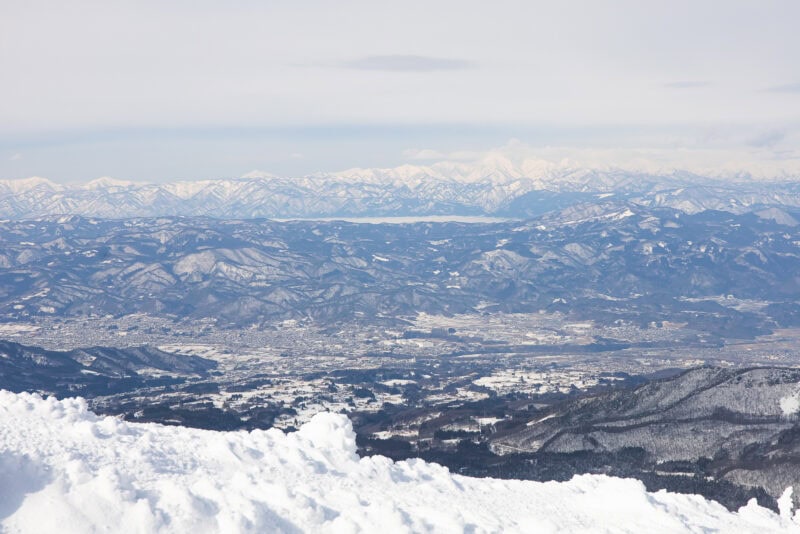
For snow lovers, Zao Ski Resort is a paradise with 14 slopes, over 30 lifts, gondolas, and off-piste tracks. The season runs from early December to late April or early May, with January and February bringing the heaviest snowfall.
Zao is also famous for its ‘snow monsters’, where Aomori Fir Trees become coated in layers of frozen supercooled water droplets, creating otherworldly shapes. You can admire them from the slopes or get closer on a winter trek.
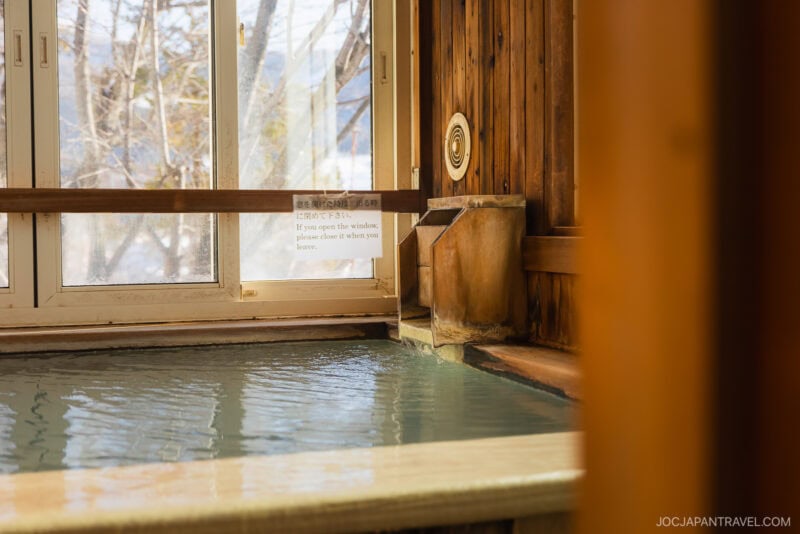
After a day in the snow, relax in one of Zao’s many hot springs. Hotels and ryokan often have their own baths, so you can enjoy a warm and luxurious winter escape.
Tendo
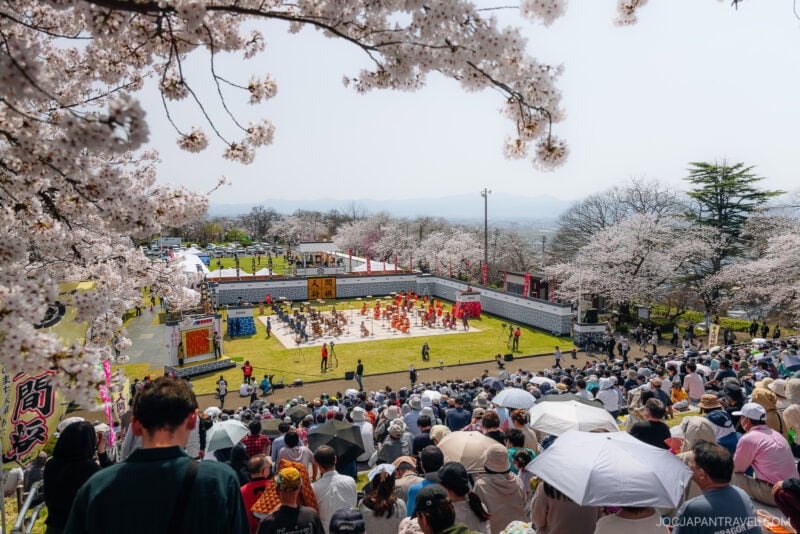
Just a 20-minute train ride north of Yamagata City is Tendo, famous for Shogi, or Japanese chess. The city produces about 95% of all shogi pieces in Japan, and shogi motifs appear everywhere—from manholes to sidewalks and signs.
Visit a shogi shop to write kanji on your own shogi piece (reservations required). I recommend Shogi Mura, where the 40-minute experience costs ¥1,210 per person.
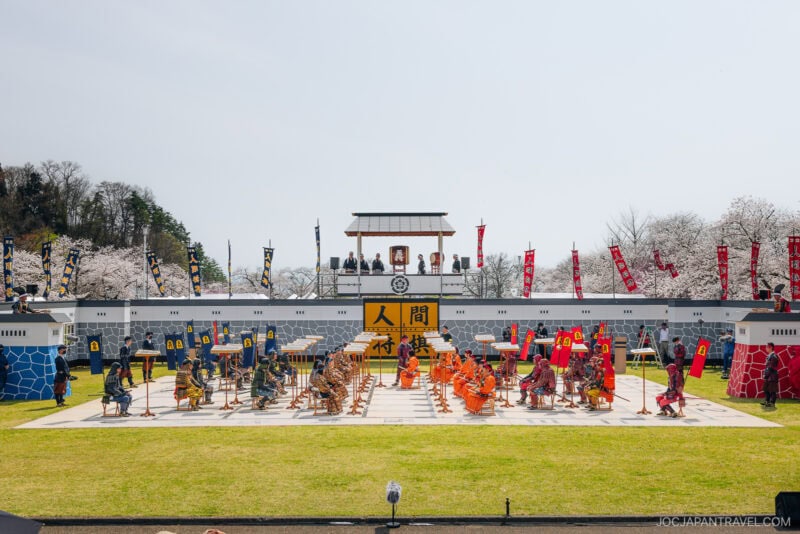
During peak cherry blossom season, Tendo Park hosts Ningen Shogi. For two days, a 16 by 14-meter chessboard comes alive with humans as shogi pieces dressed in Edo-period attire. Alongside the games, enjoy performances and talks beneath the pink blossoms. For shogi fans, Tendo in April is unforgettable.
Takinoyu Hote
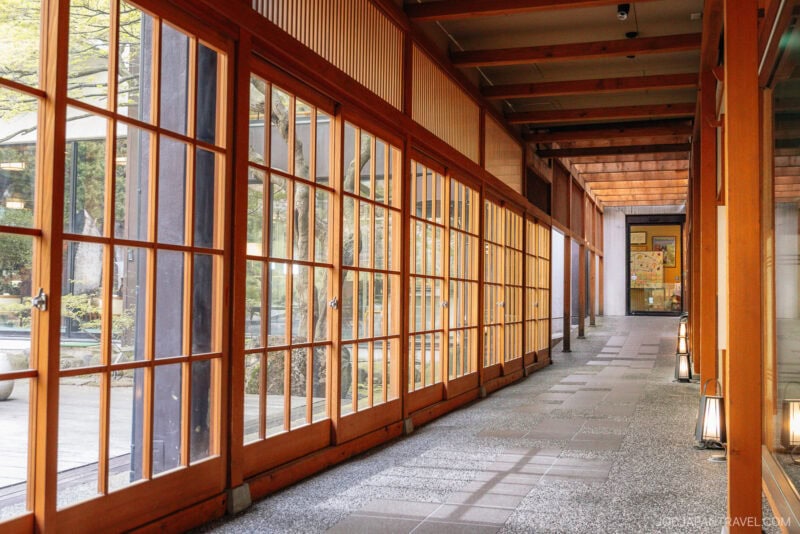
For accommodation, Takinoyu is a fantastic option at a reasonable price. Tucked away on a quiet street in Tendo, the hotel surprises you with a relaxing retreat inside. Shogi-themed decor is everywhere, and special rooms even host shogi matches.
The spacious lobby includes a souvenir shop, a welcome drinks corner, and a lounge overlooking the courtyard, where a shogi board is available for play.
Don’t miss the onsen tamago sets. Cook the eggs in the shogi piece-shaped pot with natural hot spring water, then enjoy them in the outdoor courtyard!
Takinoyu Hotel Room
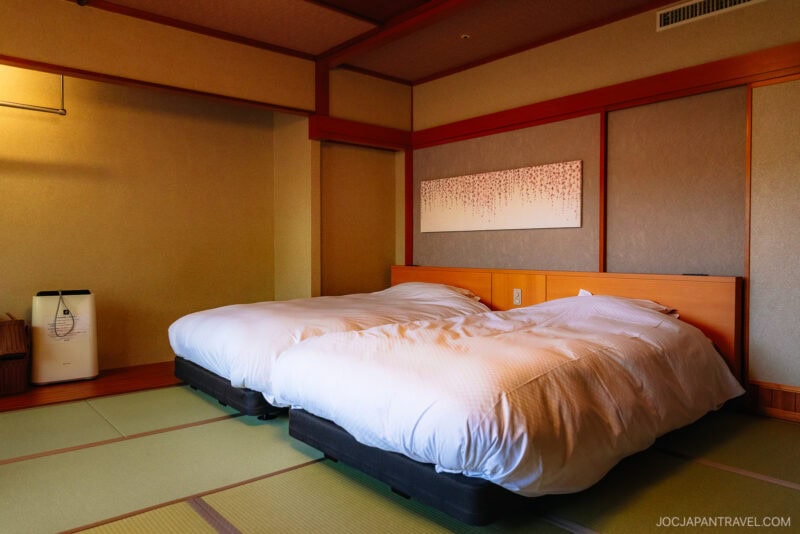
The room keeps a traditional ryokan charm but with modern comforts. I loved having a Western-style bed instead of futons, plus an automated toilet and bathroom for extra convenience. The true highlight, though, is the onsen.
You can choose the giant public bath or reserve one of the three private onsens. Two of the private tubs are shaped like a cherry and a shogi piece. What a fun nod to Yamagata!
For dinner, I treated myself to the Yonezawa and Yamagata beef-tasting meal, paired with sashimi, stews, and dessert. Breakfast offers a generous buffet of Japanese and Western dishes to fuel another day of exploring.
Ginzan Onsen
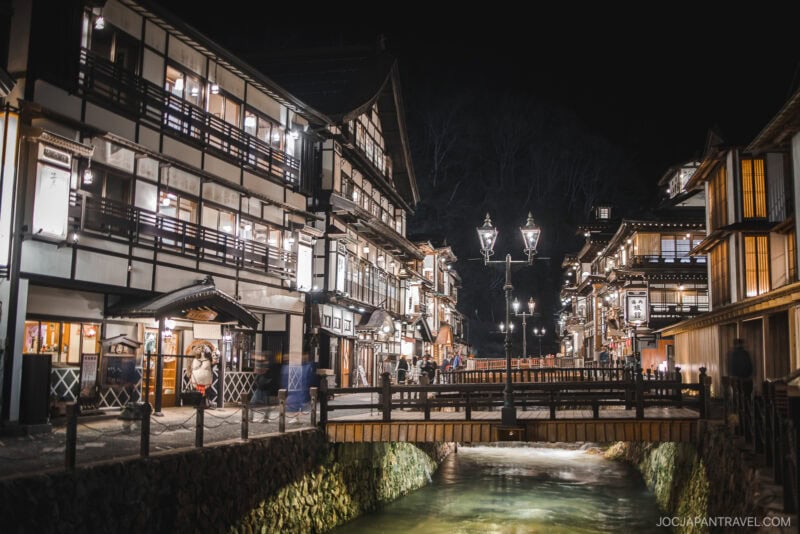
Ginzan Onsen, a remote hot spring town in the mountains, is one of Yamagata’s most picturesque spots. Once a silver mining town, it now thrives on tourism, with dozens of charming ryokans and hot springs lining the Ginzan River. The pedestrian-only town center adds to its serene atmosphere.
Many buildings date back to the Taisho Era, with timber framing and white plaster. Fujiya Ryokan, refurbished in 2006 by architect Kengo Kuma, fits naturally into the historic streetscape.
The town truly shines in the evening when gas lamps illuminate bridges and facades. Wearing a yukata after your bath adds a timeless touch. I visited in spring, but I can easily imagine it in winter with snow-covered rooftops. It must be magical.
More on Yamagata
Whether you’re after adventure, relaxation, or a deep dive into Japanese culture, Yamagata has it all. Also, don’t miss my post on What to Eat in Yamagata Japan so you’ll know exactly where to find the best eats on your next trip.
More to Explore Nearby
Yamagata Prefecture is celebrated for its deep snow, high-quality onsen, and profound religious sites like Yamadera. It serves as a perfect hub for exploring the history and natural wonders of the central Tohoku region.
- Zao Winter – Explore the shared mountainous area famous for the spectacular “Snow Monsters” (Juhyo), excellent skiing, and natural hot spring resorts.
- Kakunodate – Journey to this beautifully preserved former castle town in Akita, which boasts an extensive samurai district lined with traditional residences.
- Chuson-ji Temple – Visit this UNESCO World Heritage site in Iwate Prefecture, famous for its brilliant golden Konjikido Hall and deep historical significance.
- Lake Tazawa – Discover Japan’s deepest lake in Akita Prefecture, a beautiful natural landmark offering serene views and local legends about the golden Tatsuko statue.