This post may contain affiliate links. Please read our disclosure policy.
Famous for its historic hot spring towns, traditional Kutani ware, and mountain landscapes, Kaga in southern Ishikawa promises a relaxing escape surrounded by culture and nature.
Why Visit Kaga?
Tucked between the Japan Sea coast and the Hakusan mountain range, Kaga feels like a refreshing escape from Japan’s bustling cities. Just south of Kanazawa, it’s easy to include as a side trip if you have some extra time. The region is best known for its historic hot spring towns, traditional crafts, and scenic countryside drives.
What drew us to Kaga was how history, culture, and a slower pace of life come together. People have been visiting these hot springs for more than 1,300 years, and many ryokan still carry that timeless charm. Traveling as a family, we loved how peaceful it felt compared to Japan’s busier tourist hubs. From soaking in the baths and sampling seasonal dishes to exploring temples and pottery workshops, there was plenty to enjoy at a leisurely pace.
The Four Famous Hot Spring Towns
Kaga is often called the “Kaga Onsen-kyo” thanks to its four unique hot spring towns. Each one offers a different character.
Yamashiro Onsen (山代温泉)
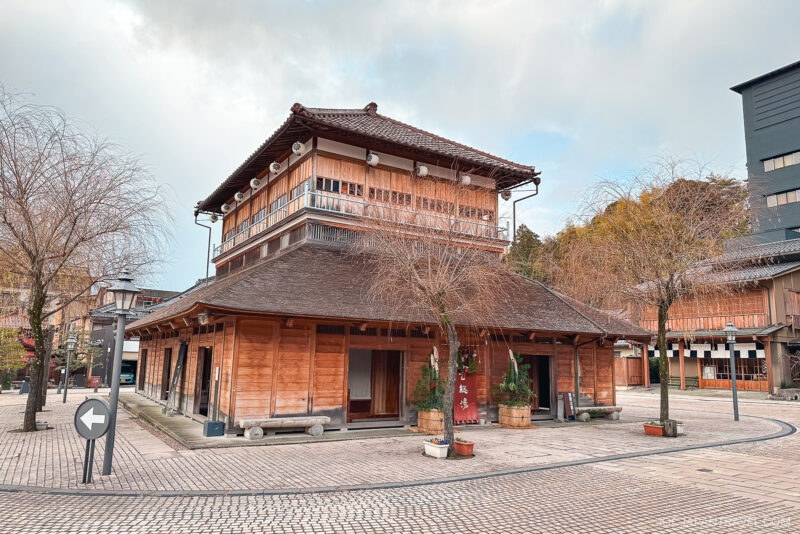
This is the most famous of the four, with a mix of historic ryokan and modern resorts. A highlight is Kosoyu (古総湯), a faithfully reconstructed Meiji-era public bathhouse with traditional tilework.
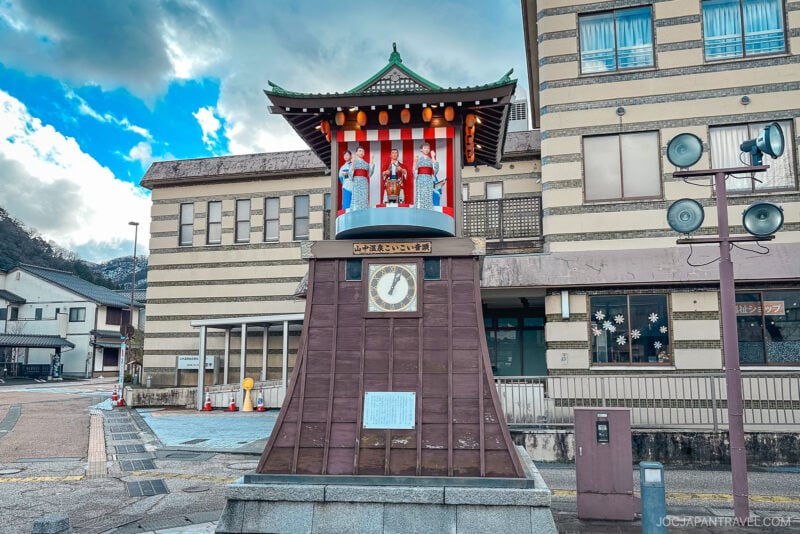
Yamanaka Onsen (山中温泉)
Set along a river gorge and surrounded by forested mountains, Yamanaka is known for the Kakusenkei Gorge trail, one of the most scenic walks in the area.
Katayamazu Onsen (片山津温泉)
Located on Lake Shibayama, this onsen town is the place to watch fiery sunsets reflected over the water.
Awazu Onsen (粟津温泉)
The oldest hot spring in Kaga, Awazu is home to Hoshi Ryokan, which has welcomed guests for over 1,300 years and once held the Guinness World Record as the oldest hotel in the world.
We stayed in Yamashiro Onsen and loved its walkability, traditional food, and easy access to other sights in the region.
Exploring More Than Just Onsen
While hot springs are the main draw, Kaga offers plenty beyond bathing.
- Kutani Ware (九谷焼): Kaga is the birthplace of Kutani porcelain, known for vivid colors and bold designs. We visited the Kutani Museum and even tried painting our own dishes.
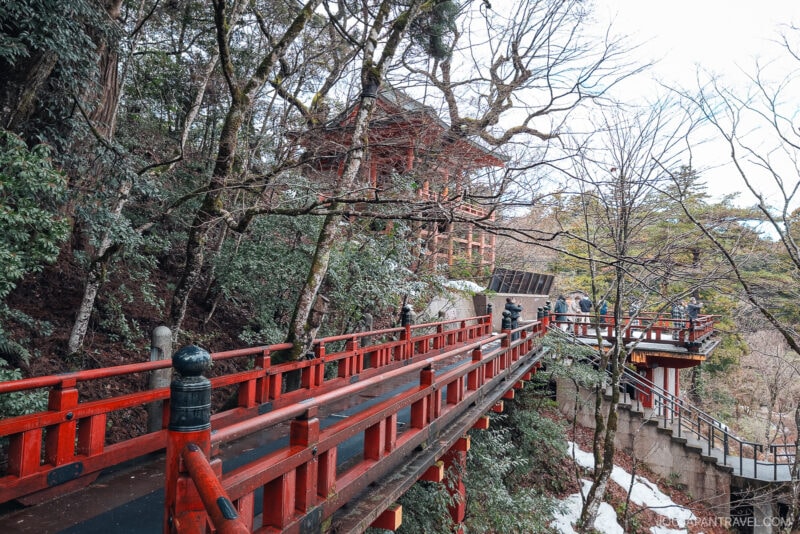
- Natadera Temple (那谷寺): Built into dramatic cliffs, this temple is surrounded by mossy gardens and towering trees. It is especially beautiful in autumn.
- Local Markets: Driving through the countryside, we stopped at small farmer’s markets and roadside shops. One sold soft-serve ice cream flavored with Kaga Bocha, the region’s roasted green tea.
A Scenic Drive Through Kaga
Kaga is one of those places where the journey is as enjoyable as the destination. Well-maintained expressways connect the region, and you’ll pass everything from coastal views to lush mountain roads.
How to Get to Kaga
By Train
Take the Hokuriku Shinkansen from Kanazawa Station to Kagaonsen Station. The ride takes about 18–20 minutes and costs around ¥2,500 one way. Trains run about once per hour. From Kagaonsen Station, use local buses, CANBUS, or taxis to reach each onsen town.
Airport Access
Fly into Komatsu Airport. It is about 20–30 minutes by taxi or airport bus to Kagaonsen Station. Many ryokan offer pickups with advance notice.
Local Transport from Kagaonsen Station
- Yamashiro Onsen (山代温泉): About 15 minutes by local bus bound for Yamanaka. Typical fare ~¥250.
- Yamanaka Onsen (山中温泉): About 30 minutes by local bus. Buses run 1–2 times per hour.
- Katayamazu Onsen (片山津温泉): Use CANBUS Sea Route. Allow about 45–60 minutes.
- Awazu Onsen (粟津温泉): About 30–35 minutes by CANBUS or route bus. Taxis are faster if you have luggage.
- CANBUS: Sightseeing loop starting at Kagaonsen Station. Sea and Mountain routes serve major spots and temples.
By Car
Driving offers the most flexibility. From Kanazawa, take the Hokuriku Expressway south toward Kaga. The drive takes about one hour. Parking is widely available at ryokan, temples, and roadside stations.
Is Kaga Worth Visiting?
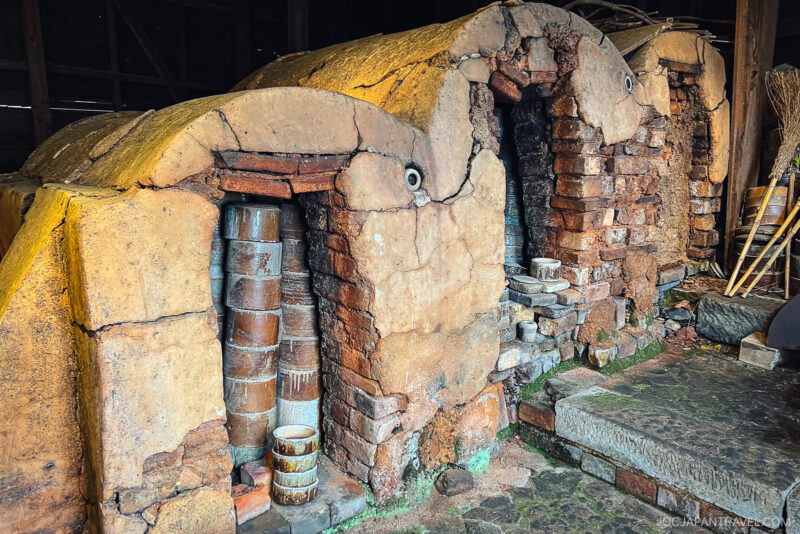
Kaga is one of the best places to slow down and enjoy a traditional side of Japan. The hot spring towns are full of character, the food is fresh and seasonal, and the surrounding nature offers plenty of space to breathe. Whether it’s your first visit or a return trip, Kaga invites you to enjoy history, culture, and a slower, more relaxing pace.
More to Explore Nearby
The Kaga region is a cultural hub, famous for its elegant onsen towns and traditional crafts like Kutani pottery. After exploring Kaga’s local charms, the rest of the Hokuriku region offers stunning contrasts, from grand historical cities to dramatic coastal scenery.
- Kanazawa Travel Guide – Head north to the capital of Ishikawa Prefecture, a beautiful city renowned for its well-preserved samurai and geisha districts and modern art museums.
- Kenroku-en Garden – Explore one of Japan’s Three Great Gardens, located in Kanazawa, famous for its scenic beauty, seasonal landscapes, and historical design elements.
- Tojinbo Cliffs – Journey south into neighboring Fukui Prefecture to see these dramatic, rugged basalt cliffs that plunge into the Sea of Japan, offering a spectacular natural view.
- Eihei-ji Temple – Visit the renowned head temple of the Soto Zen school, nestled in the mountains of Fukui, where you can observe the tranquil and profound life of practicing Zen monks.