This post may contain affiliate links. Please read our disclosure policy.
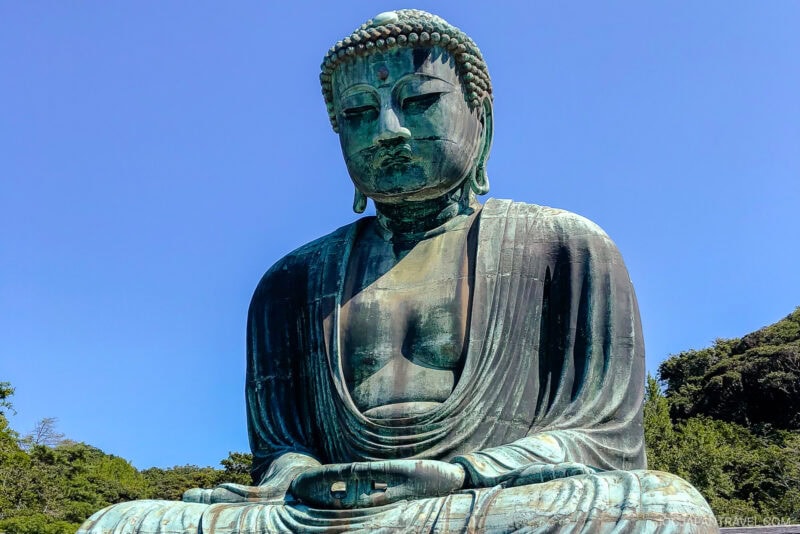
Standing at over 11 meters tall, the Kamakura Daibutsu at Kotokuin is one of Japan’s most iconic Buddhist statues.
A Glimpse into History
The Kamakura Daibutsu (Great Buddha of Kamakura) dates back to around 1252, during the Kamakura period. Originally, the bronze statue stood inside a massive wooden hall, but repeated storms and even a tsunami destroyed the building several times. By the late 15th century, the structure was never rebuilt, leaving the Buddha to sit beneath the open sky. Today, this exposure only adds to the statue’s timeless presence.
What Makes Kotokuin Special
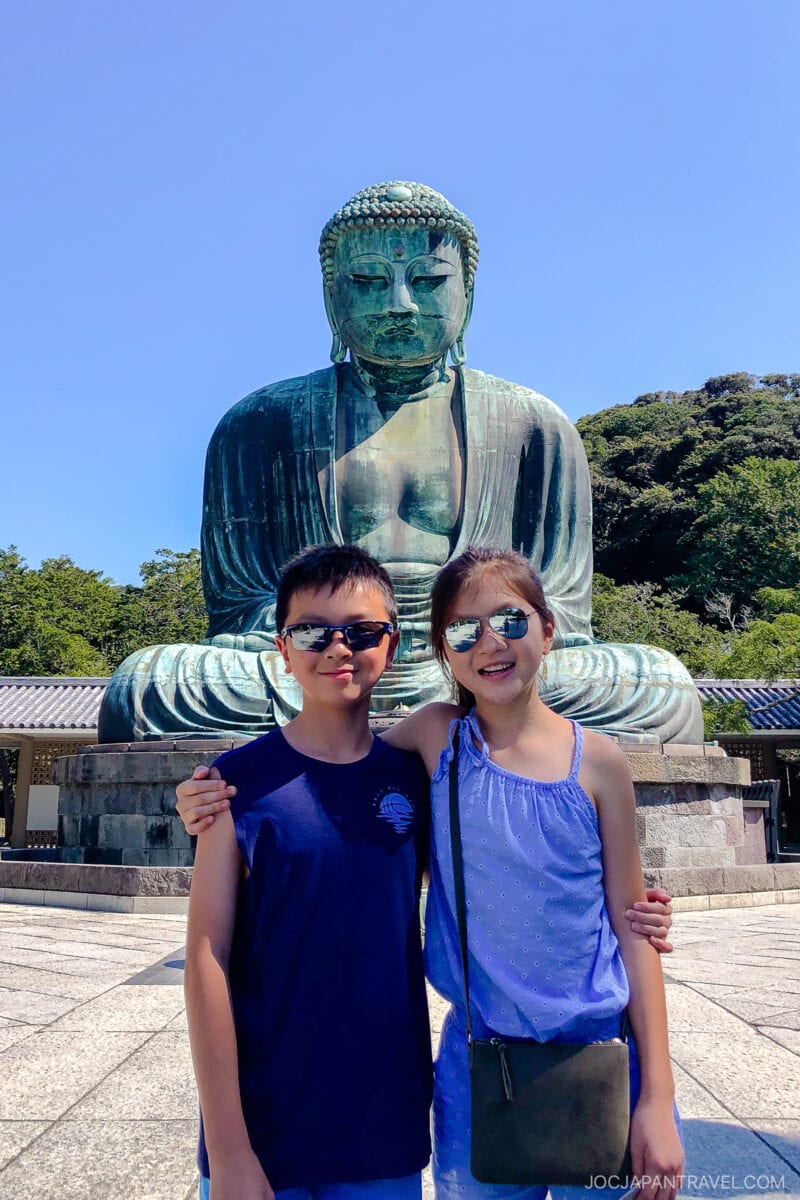
Seeing the Daibutsu in person is unforgettable. We were amazed not only by the sheer size but also by the artistry that has endured for centuries.
Here are a few details:
- Height: 11.3 meters (about 37 feet)
- Weight: 121 tons
- Material: Bronze, with delicate lines that remain clear despite centuries of weather
- Sandals: Giant straw sandals, nearly 2 meters long, originally woven by children in 1951 so the Buddha can “walk” and help others
The highlight of our visit was stepping inside the hollow statue. For a small fee, visitors can enter through a back door. It felt surreal standing within the ancient bronze walls, thinking about how artisans cast and joined the pieces together so long ago.
A Peaceful Temple Visit
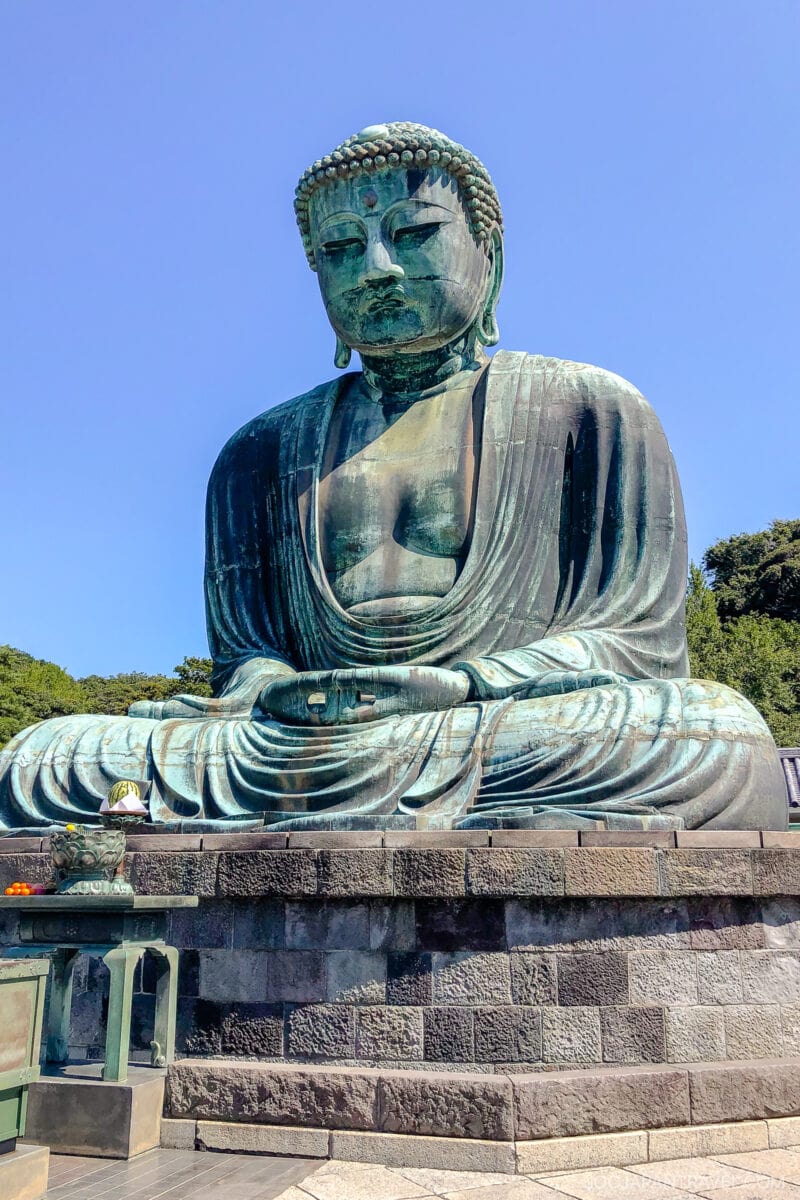
Kotokuin is a Jodo Sect Buddhist temple. The grounds are modest, with seasonal flowers and shaded paths that frame the Daibutsu as the centerpiece. We arrived on a weekday morning, which meant lighter crowds and time to appreciate the serene setting.
How to Get to Kotokuin
By Train
From Kamakura Station (鎌倉駅), ride the Enoden Line to Hase Station (長谷駅). The ride takes about 5 minutes. Walk 7 to 10 minutes from Hase Station to the temple gate.
By Car or Taxi
From central Kamakura, the drive takes about 10 minutes. Limited parking is available nearby.
- Taxi from Kamakura Station takes about 10 minutes.
- Traffic is heavy on weekends and holidays.
Pro Tip: Arrive early morning or late afternoon to avoid crowds.
Should You Visit Kotokuin?
Kotokuin is one of the must-see highlights of Kamakura. The Daibutsu is not only a symbol of the city but also a masterpiece of Japanese Buddhist art. Its open-air setting, simple temple grounds, and easy access make it an experience that appeals to history lovers, families, and photographers alike.
More to Explore Nearby
The monumental Great Buddha at Kotoku-in anchors the western part of Kamakura, positioning you perfectly to explore other major temples, the main Shinto shrine, and unique regional cuisine and historical sites.
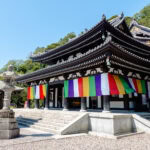
- Hase-dera Temple – Explore this prominent temple nearby, famous for its massive wooden Kannon statue and beautiful ocean-view gardens.
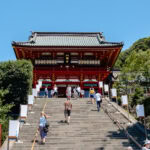
- Tsurugaoka Hachimangu – Discover the city’s most important Shinto shrine, central to the city’s history and connected by a long approach road lined with cherry trees.
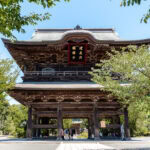
- Kamakura Kencho-ji – Visit the city’s oldest Zen Buddhist temple, located near the Kita-Kamakura station, featuring beautiful Zen gardens and architecture.
- Chayakado Restaurant – Enjoy a local culinary highlight at this well-regarded restaurant, known for specializing in authentic Kamakura cuisine and traditional Japanese dishes.