This post may contain affiliate links. Please read our disclosure policy.
Once Japan’s only gateway to the Western world, Dejima in Nagasaki offers a fascinating look at diplomacy, trade, and daily life during the Edo period.
Why Was Dejima Built?
In the early 1600s, Japan began restricting foreign contact to limit outside influence. Missionaries, especially from Portugal, were seen as a threat to the Tokugawa shogunate’s control. To manage trade while avoiding religious interference, the shogunate created Dejima, a fan-shaped man-made island in Nagasaki Bay.
At first, Portuguese traders were confined here. After they were expelled in 1639, the Dutch East India Company became Japan’s only Western trade partner. Unlike the Portuguese, the Dutch were focused on business rather than religion, which made them more acceptable to the authorities.
For more than 200 years, Dutch traders lived under strict surveillance. They could not leave the island without permission, and Japanese officials monitored every interaction. Through this controlled exchange, Japan imported goods, medical knowledge, and scientific ideas while maintaining its isolationist policies.
What to See at Dejima Today

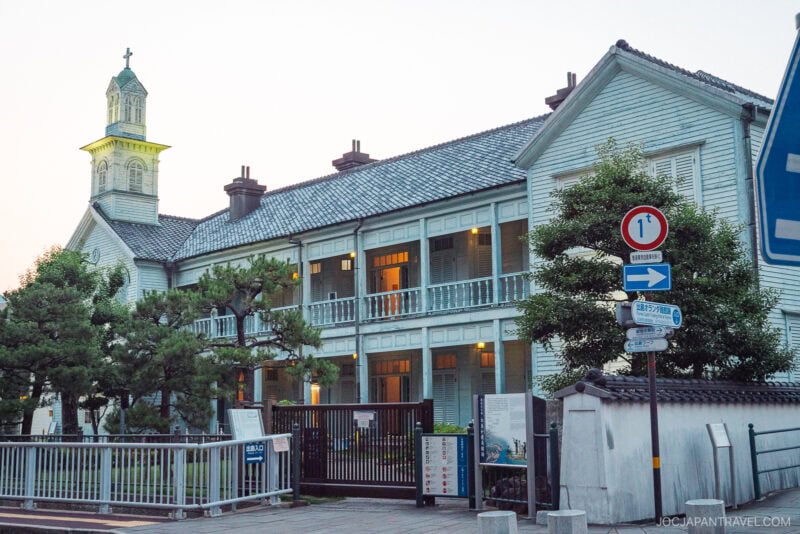
Since the 1990s, Dejima has been carefully restored using historical records and archaeological research. Walking through the open-air museum will take you back to the Edo period.
Restored Buildings
- Captain’s Quarters (Opperhoofd’s Residence): Home of the Dutch trading chief, decorated with elegant furnishings.
- Warehouses and Kitchens: Spaces where sugar, textiles, and imported goods were stored and prepared.
- Trade Office and Chief Factor’s Residence: Fully furnished rooms where merchants conducted daily business.
- Dejima Protestant Seminary: A later addition from the 19th century, after Japan began to reopen.
Cultural Highlights
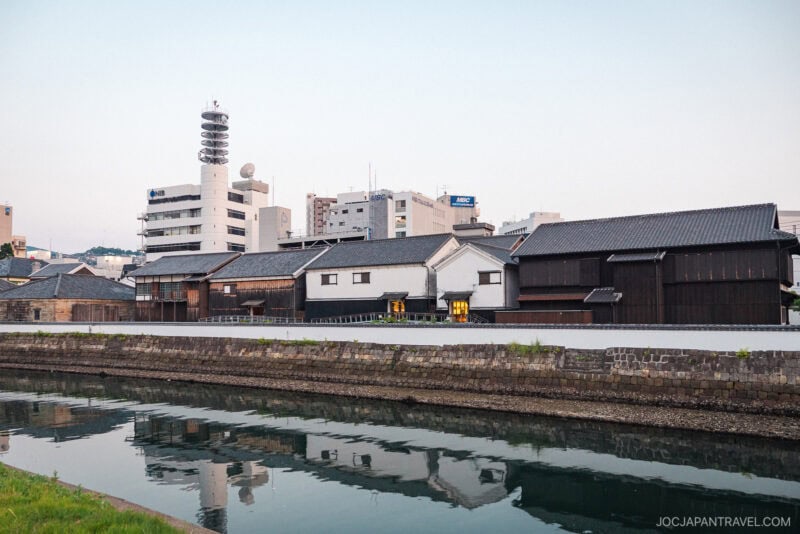
- Rangaku (Dutch Learning): Exhibits explain how Dutch books and science influenced Japanese medicine, astronomy, and technology.
- Daily Life: Period furnishings, clothing, and interactive exhibits show how traders and interpreters lived under the shogunate’s watchful eye.
How Dejima Changed Over Time
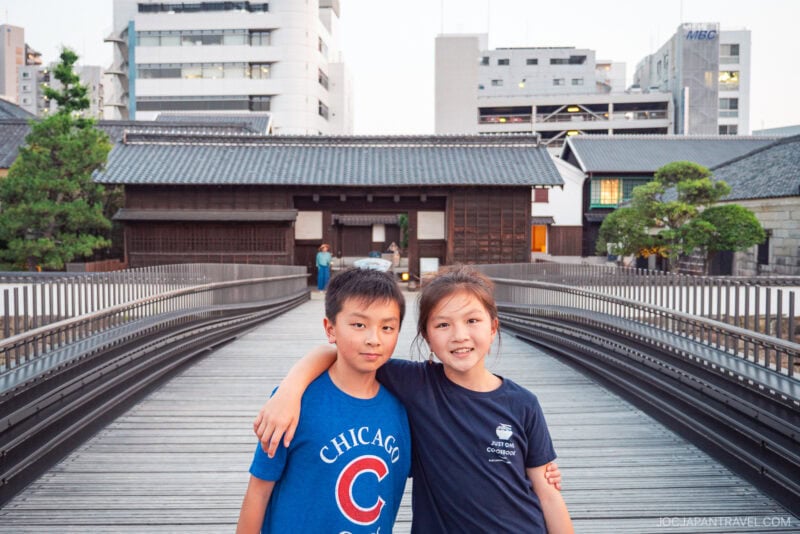
Dejima’s importance faded in the late 1800s when Japan ended its isolation and opened its ports. Westerners settled in other parts of Nagasaki, such as Hollander Slope, and the island was gradually absorbed into the expanding city.
Today, the reconstructed site preserves this unique piece of history, letting visitors explore a place where Japan cautiously engaged with the wider world.
How to Get to Dejima
By Tram
- Ride Nagasaki Electric Tram Line 1 or 5 to Dejima Station. The entrance is across the street.
- From Nagasaki Station, take Line 1 toward Shokakuji-shita and get off at Dejima Station.
On Foot
- From Nagasaki Station: about 15 to 20 minutes.
- From Shinchi Chinatown: about 8 to 10 minutes.
By Taxi
- Taxis from Nagasaki Station take about 5 minutes, depending on traffic.
Pro Tip: If you plan several rides in one day, a one day tram pass is convenient and saves money.
Is Dejima Worth Visiting?
Dejima offers one of the clearest windows into Japan’s foreign relations during the Edo period. The detailed reconstructions and immersive exhibits help you imagine daily life on this tiny island, where trade and diplomacy shaped the course of Japanese history.
If you enjoy history, architecture, or cultural exchange, Dejima is a must-see stop in Nagasaki.
More to Explore Nearby
The meticulously reconstructed island of Dejima offers a profound window into Japan’s unique period of isolation, placing you close to other key historical sites, unique foreign-influenced architecture, and local culinary traditions.
- Nagasaki Castella Cake – Sample this fluffy sponge cake that is Nagasaki’s most famous souvenir, introduced by the Portuguese during the city’s earliest international trade.
- Museum of the 26 Martyrs – Discover the profound history of early Christianity in Japan at this museum and monument dedicated to the foreign missionaries and Japanese converts.
- Nagasaki Museum of History and Culture – Discover the city’s complex past at this excellent museum, which showcases the unique cultural exchange that occurred during the era of isolation.