This post may contain affiliate links. Please read our disclosure policy.
Set in the mountains of Saga Prefecture, Arita is where Japanese porcelain began, with historic kilns, preserved streets, and world-class ceramics waiting to be explored.

Arita: A Small Town with a Global Legacy
Arita is where Japan’s porcelain story started. In the early 1600s, Korean potter Yi Sam-Pyeong discovered kaolin at Izumiyama Quarry. This clay made porcelain production possible, and soon Arita became a center for ceramics exported around the world.
Walking through the town today, it feels like history and craftsmanship are still alive in every street and shop. We first visited in 2018 and have been back many times since then to visit kilns for JOC Goods.
Getting Around Arita
The town is served by Arita Station on the JR Sasebo Line. We recommend renting a car or using taxis to move between sites, since attractions are spread out.
Highlights of Arita: What to See and Do
Izumiyama Quarry (泉山磁石場) – Where It All Began
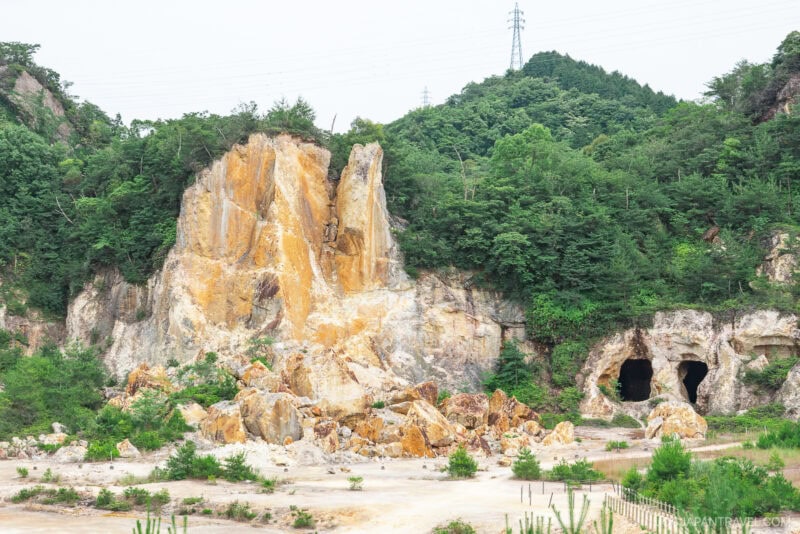
This historic quarry is where kaolin was first discovered, sparking the birth of Japanese porcelain. You can’t go inside, but the observation platforms give a real sense of its size and the centuries of activity that once filled the site. Standing there, it’s easy to imagine the bustling work of early potters. It’s also a National Historic Site, which makes it feel even more significant.
Arita Uchiyama Historic District (有田内山地区)
A short walk from the quarry is this preserved district filled with family-run porcelain shops. Many buildings keep their Edo-period facades, and over 20 structures are recognized as cultural properties. It’s a photogenic place where we enjoyed browsing both artisan and everyday wares.
Tombai Wall Alleys

These narrow alleyways are lined with walls built from leftover kiln bricks, red clay, and pottery shards. The patchwork design is unique to Arita and gives a sense of how resourceful potters were with their materials.
Aritatoji Museum (有田陶磁美術館)
This small museum introduces the history of Arita ware. While we recommend the larger Kyushu Ceramic Museum if you only have time for one, this museum’s replica of an Edo-period pottery workshop makes for an interesting stop.
Tozan Shrine (陶山神社)
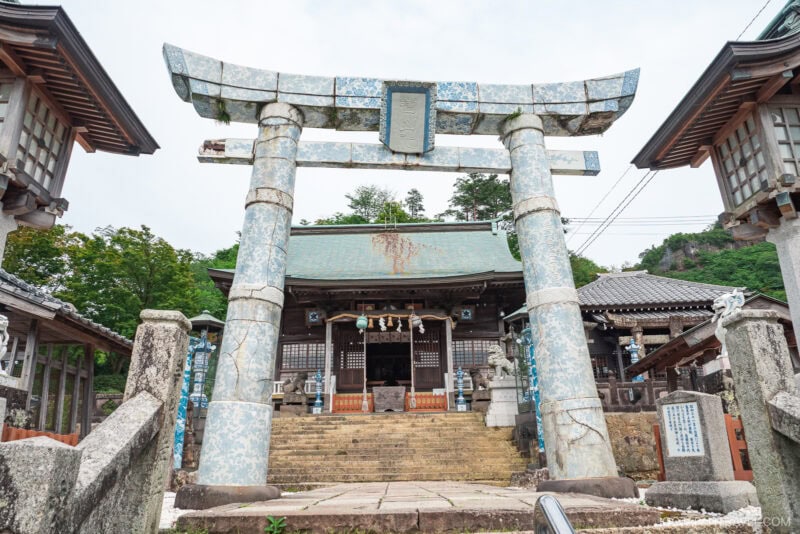
Founded in 1658, this shrine is dedicated to Yi Sam-Pyeong and Emperor Ojin. What makes it truly special is that parts of the shrine—including the torii gate and guardian dogs—are made of porcelain. Even the protective charms sold here are crafted from porcelain.
Arita Sera (アリタセラ)

This modern shopping village houses more than 20 stores dedicated to Arita ware. It’s a convenient and fun spot to hunt for souvenirs, from traditional pieces to playful modern designs.
Arita Porcelain Park (有田ポーセリンパーク)
Modeled after Germany’s Zwinger Palace, this park once featured a museum, baroque garden, workshops, and even a sake brewery. The replica palace is striking at first glance, but the experience felt more like a theme park than a cultural site. When we returned this year, the grounds showed clear signs of decline. The museums had closed, and the overall atmosphere felt neglected and poorly maintained.
Nakao Uwa Climbing Kiln (中尾上登窯跡)
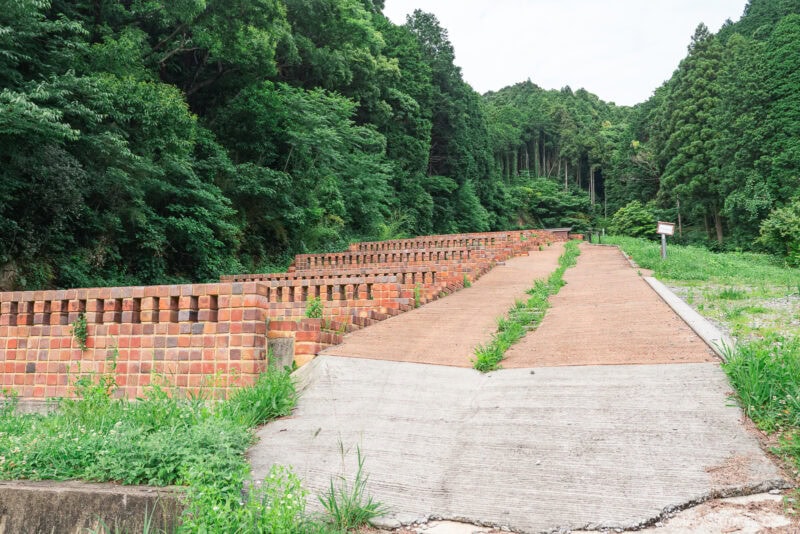
One of the longest climbing kilns in the world, this massive structure stretches more than 160 meters. It’s located in nearby Hasami and is easier to reach by car. Though it is no longer working, the scale alone makes it worth visiting.
How to Get to Arita (有田町)
By Train: From Hakata, ride JR Midori or Huis Ten Bosch to Kohoku. Transfer to the JR Sasebo Line for Arita Station. Typical travel time is about 1 hour 40 minutes.
From Nagasaki: Ride the Nishi Kyushu Shinkansen to Takeo-Onsen. Transfer to a JR local for Arita. Allow about 1 hour 50 minutes, depending on connections.
By Car: From Fukuoka, drive via Kyushu and Nagasaki Expressways to Takeo-Kitakata IC. Follow Route 35 to Arita; plan about 90 minutes. Parking is easy at Arita Sera and major sights.
Getting Around: Use taxis or rent a car from Arita Station. Sites are spread out, and buses are infrequent.
Is Arita Worth Visiting?
Arita offers a fascinating mix of history, craftsmanship, and local charm. Even if you aren’t a porcelain collector, the architecture, porcelain shrine, and preserved streets make it a memorable destination. We recommend spending at least a full day here—and if you can, stay overnight to explore nearby ceramic towns like Imari or Okawachiyama.
More to Explore Nearby
As the historical birthplace of Japanese porcelain, Arita is a profound cultural site, placing you perfectly to continue exploring the region’s ceramic arts, local hot springs, and the international history of nearby Nagasaki.
- Kyushu Ceramic Museum – Discover the history and artistry of the region’s famous ceramics, with a focus on Arita ware, at this excellent museum.
- Okawachiyama Village – Visit this scenic and remote “Village of the Secret Kilns,” famous for its beautiful views and traditional Iro-Nabeshima porcelain.
- Takeo Onsen – Visit this renowned hot spring town, famous for its cinnabar-red gate and smooth waters, offering relaxation after a day of exploring.
- Dejima – Explore the historical artificial island nearby in Nagasaki, which served as Japan’s only point of contact with the West during the Edo period.