

This post may contain affiliate links. Please read our disclosure policy.
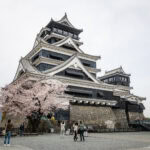
Known as “Crow Castle” for its black walls, Matsumoto Castle is one of Japan’s twelve original castles and a National Treasure with centuries of history.
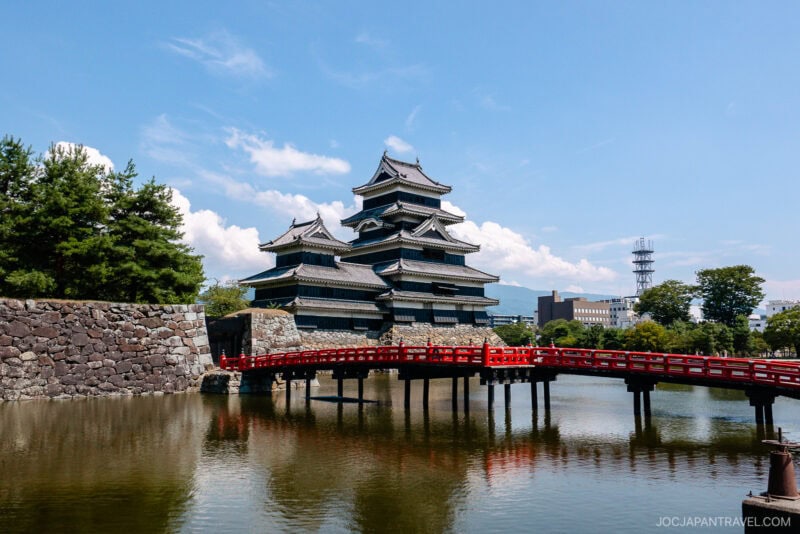
A Brief History of Matsumoto Castle
Construction of the main keep began in 1590 under the Ishikawa clan and was completed a few years later. Over time, seven different clans governed the castle, including the Toda clan—twice. This turnover of leadership was unusual for castles of the period and reflects Matsumoto’s changing role in regional politics.st
Today, Matsumoto Castle is celebrated as one of Japan’s most complete original castles, designated as a National Treasure for its historic and cultural value.
Entering the Castle Grounds
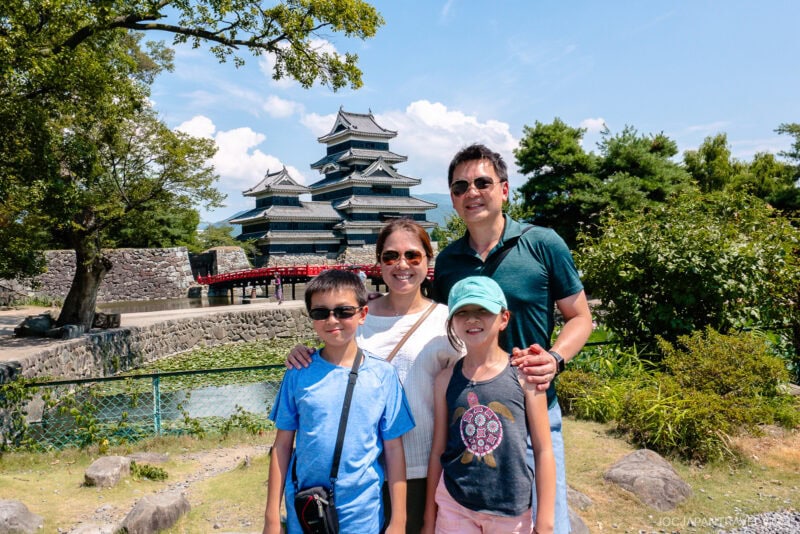
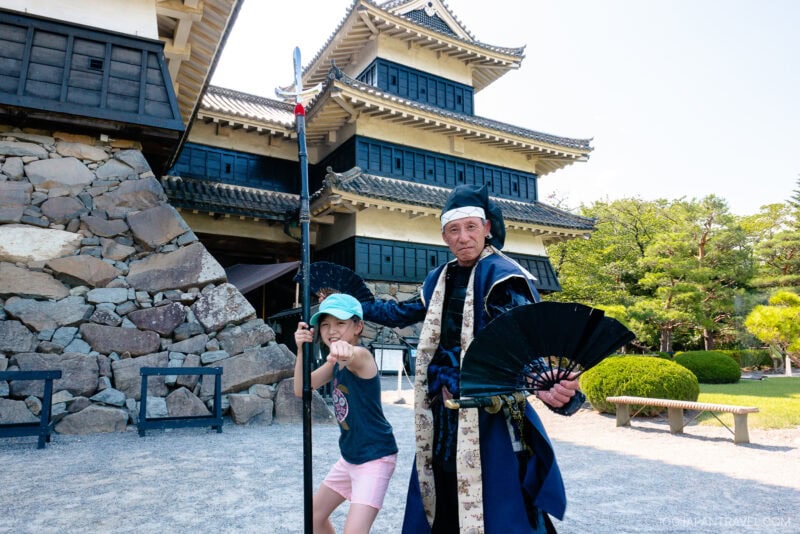
Visitors enter through the restored Kuromon (Black Gate), where heavy beams showcase impressive carpentry. Beyond the gate lies an open lawn that once held the residences of the castle lords. Now, it’s a pleasant garden with wide views of the main keep and moat. During our visit, the kids enjoyed taking photos with the local volunteers dressed up in period costumes.
Climbing the Tenshukaku Tower (松本城天守閣)

The six-story main keep is entirely original, so accessibility is limited. Everyone must remove their shoes and climb steep wooden stairs, carrying their shoes in a bag provided at the entrance. The climb is demanding but worth it. Each level reveals a new story of the castle’s defenses and daily life.
- First Floor: Storage for weapons and food, with stone drop windows (ishiotoshi) and arrow slits.
- Second Floor: A display of samurai armor and antique firearms.
- Third Floor: A secret level with no windows, once hidden from enemies.
- Fourth & Fifth Floors: The lord’s living quarters and strategy rooms.
- Top Floor: A lookout used as a command post, now offering sweeping views of Matsumoto City and the Japan Alps.
The Moon-Viewing Tower
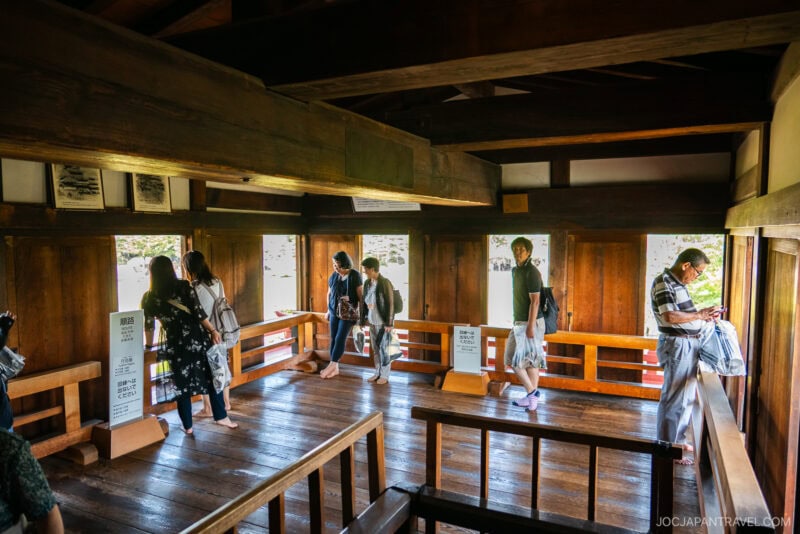
Connected to the main keep, the Moon-Viewing Tower was added during a quieter period in the castle’s history. With its wide windows, it was built for appreciation rather than defense. Inside, we paused to take in the open views and imagined how the space might have been used for enjoying the evening sky.
Nawate-Dori Shopping Street
Just a short walk from the castle, Nawate-Dori is a charming pedestrian street lined with shops and cafes. We stopped for soba noodles, browsed local crafts, and picked up sweets for the kids. The street even has a small frog shrine, which added a playful surprise to our walk.
How to Get to Matsumoto Castle
By Train
- Take the Azusa Limited Express from Shinjuku Station to Matsumoto Station. The ride takes about 2.5 to 3 hours with no transfers.
- From Matsumoto Station, walk about 15 minutes to the castle. Taxis and local buses are also available outside the station.
By Car
From Tokyo, drive the Chuo Expressway toward Nagano and exit for Matsumoto. The trip takes around three hours, depending on traffic.
Accessibility Notes
The castle interiors have steep stairs and are not wheelchair accessible. The grounds and museum paths are mostly level.
Pro Tip: If you have a Japan Rail Pass, the Azusa Limited Express is covered. Reserve seats during peak seasons to avoid standing.
Is Matsumoto Castle Worth Visiting?
Matsumoto Castle is one of Japan’s best-preserved original castles, and its black-and-white design is unlike any other. The climb inside the keep is memorable, the views from the top are stunning, and the nearby shopping street adds to the experience.
For history lovers and families alike, this is a castle not to miss.
More to Explore Nearby
Matsumoto Castle (松本城) is one of Japan’s most celebrated original castles, famed for its elegant black exterior and historical integrity. After exploring this National Treasure, the city of Matsumoto and the wider Nagano region offer a rich blend of history, dramatic mountains, and traditional culture.
- Nakamachi Street – Stroll through this beautifully preserved merchant street in Matsumoto, featuring traditional white-walled storehouses (kura) that now house craft shops, cafes, and local restaurants.
- Ukiyo-e Museum (Japan Ukiyo-e Museum) – Visit this specialized museum in Matsumoto which houses one of the world’s largest collections of Japanese woodblock prints (ukiyo-e).
- Kiso Valley Post Towns – Explore the historical preservation of the Edo period along the Nakasendo trail. Towns like Tsumago and Narai offer a journey back in time, featuring traditional wooden architecture.
- Kamikochi – Head into the Japanese Alps to this highly scenic valley, known for its pristine natural beauty, crystal-clear river, and magnificent hiking trails beneath towering mountains.

Matsumoto Castle is stunning! As a fan of LEGO projects, I wish they would add it to their small collection of castles. Nagano looks like a perfect destination for a someone who wants to stay in one place while enjoying a slower pace.
Hi Michele,
What a cool idea! LEGO currently has a Himeji Castle set that looks really fun:
https://www.lego.com/en-us/product/himeji-castle-21060
The Nagano area is a great choice if you’re looking to enjoy a slower pace of Japan. Winters can be a bit cold, but spring and fall are really beautiful. Renting a car is recommended once you’re there since public transportation is not as convenient to get around.