This post may contain affiliate links. Please read our disclosure policy.
At Ginza Kimuraya, enjoy freshly baked anpan and a slice of history from one of Japan’s most iconic bakeries.
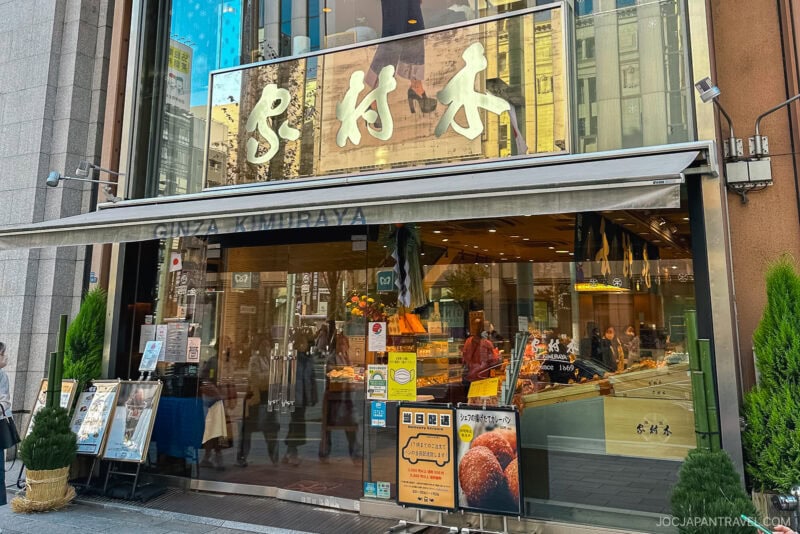
The Birthplace of Anpan
If you love Japanese sweets—or just good bread—Ginza Kimuraya is an absolute must-visit. This legendary bakery has been baking fresh anpan for over 140 years right in the heart of Ginza, and we can’t resist stopping by every time we’re in Tokyo.
The moment we step inside, the warm, yeasty aroma wraps around you, and the neatly arranged rows of bread are impossible to ignore. We almost always leave with more than a few bags tucked under our arms—because one anpan is never enough.
Kimuraya was founded in 1869, just after the Meiji Restoration. A few years later, in 1874, its founder Yasubei Kimura created Japan’s very first anpan, using sakadane, a natural yeast made from fermented rice. The sweet red bean bun was such a hit that it eventually reached the Emperor himself. And today, it’s a beloved staple in bakeries all across Japan.
What Makes Kimuraya Bread Unique?
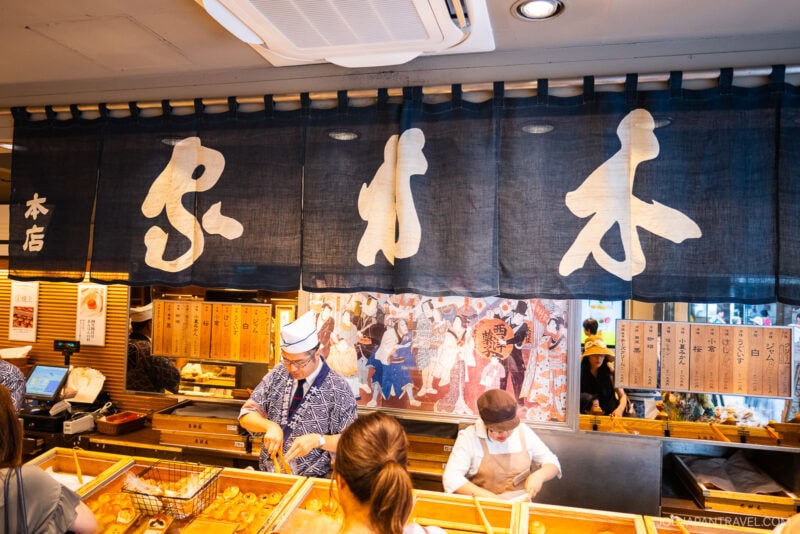
The secret is the sakadane starter. Unlike modern commercial yeast, sakadane gives the bread a light, springy texture and a naturally sweet, mellow flavor. You can taste the difference in every bite.
Anpan filled with koshian (smooth red bean paste) is the original, but Kimuraya offers over 100 varieties of bread and pastry. The range includes sweet, savory, and seasonal options.
A Few of Our Favorites
- Red Bean & Butter Anpan – Buttery, rich, and incredibly soft. A perfect introduction.
- Curry Pan – A savory bun with flavorful Japanese curry inside, lightly fried.
- Strawberry Jam Bread – Not too sweet, with a soft crumb. Our kids loved it.
Beyond Anpan
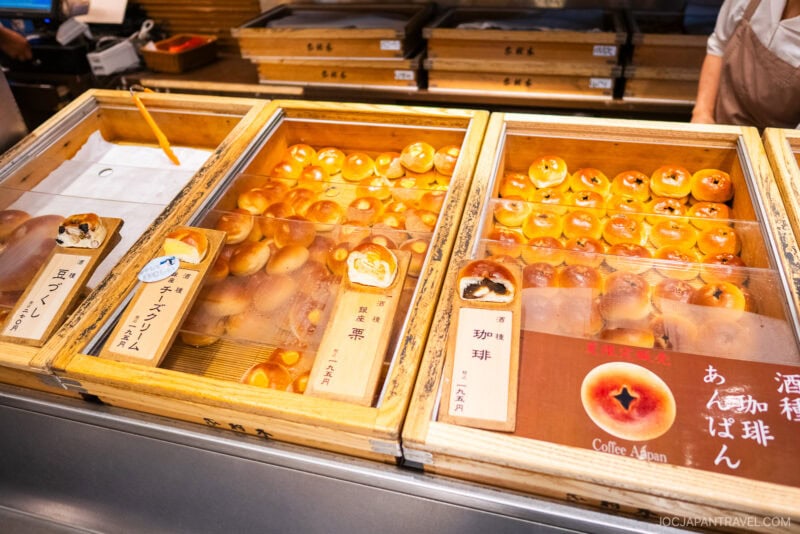
Even if you’re not a fan of red bean paste, there’s plenty to enjoy here. Kimuraya also sells fruit breads, custard buns, croissants, and sandwiches. They rotate seasonal items regularly, so there’s always something new to try.
If it’s around lunchtime, we’ll usually head upstairs to the cafe to enjoy lunch with tea or coffee. It’s a welcome break after walking through Ginza’s busy shopping area.
How to Get to Ginza Kimuraya
Train
- Take the Tokyo Metro Ginza, Marunouchi, or Hibiya Line to Ginza Station. From Exit A9, the bakery is located right on the corner, just a few steps away.
- Total travel time: 10–15 minutes from Tokyo Station.
Pro Tip: Try to visit mid-morning when shelves are full and you can avoid the afternoon rush.
Is Ginza Kimuraya Worth Visiting?
Ginza Kimuraya is a must-try for anyone who loves anpan! Beyond the classic red bean buns, they offer a tempting array of other breads and pastries.
It’s a living piece of Tokyo’s culinary history, where tradition mixes effortlessly with everyday life. Between the friendly staff, the irresistible smell of fresh bread, and all the tasty treats on display, it’s a stop you’ll be glad you made while wandering through Ginza.
More to Explore Nearby
After tasting sweet anpan at Ginza Kimuraya, explore more flavors and experiences just a short train ride away.
- teamLab Borderless Azabudai Hills – Enter a world of motion and light where art reacts to your presence in Tokyo’s newest digital exhibition space.
- Tokyo Metropolitan Government Building Observation Decks – Catch sweeping city views from Shinjuku’s free observatory, with possible sightings of Mount Fuji on clear days.
- DiverCity Tokyo Plaza – Shop, dine, and snap a photo with the life-sized Unicorn Gundam statue outside this entertainment mall.
- Aqua City Odaiba – A laid-back shopping center with bay views, casual restaurants, and a branch of the famous ramen street.