This post may contain affiliate links. Please read our disclosure policy.
At Ginza Kabuki-za Theater, the drama, color, and rich history of kabuki unfold in an unforgettable performance experience.
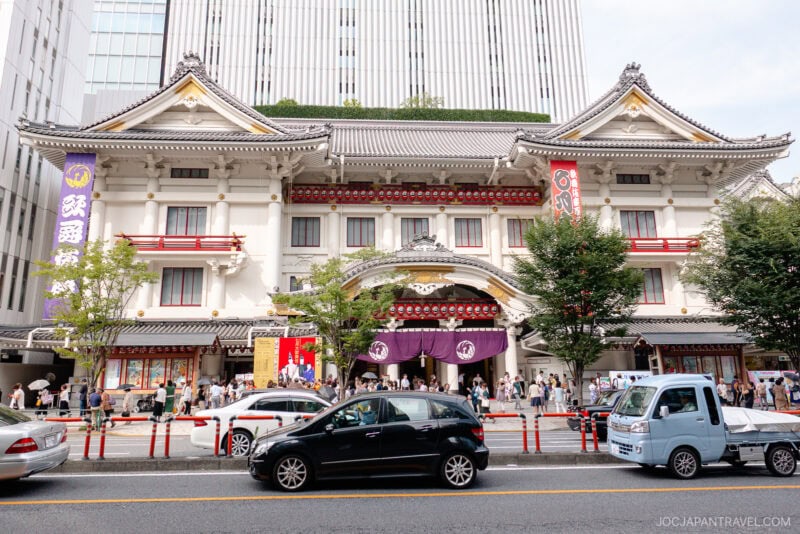
A Surprise Encounter with Tradition
Just a few blocks from Ginza’s luxury stores and designer boutiques, the Ginza Kabuki-za Theater stands out with its traditional Edo-style architecture. We hadn’t planned to stop, but after seeing that tickets were available, we decided to go in and watch a performance.
It ended up being one of the highlights of all our visits to Tokyo.
What Is Kabuki?
Kabuki (歌舞伎) is a traditional form of Japanese theater that combines dramatic storytelling, stylized acting, bold costumes, live music, and exaggerated makeup. It’s often compared to opera for its theatrical style and powerful performances.
Even without understanding the language, we found the visuals and stage presence surprisingly easy to follow. Each gesture and scene felt deliberate and expressive. It’s no wonder kabuki is recognized as a UNESCO Intangible Cultural Heritage.
A Short History of Kabuki-za
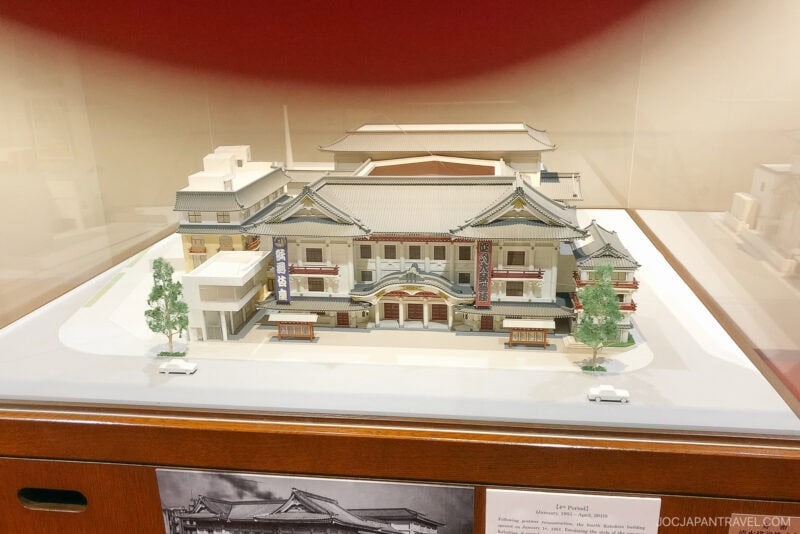
The original Kabuki-za Theater opened in 1889, founded by journalist and playwright Fukuchi Genichiro. Since then, it has been rebuilt several times due to fires, earthquakes, and war damage.
The current building reopened in 2013. It honors the past with a restored traditional facade while offering modern conveniences inside, including elevators, English signage, and a rooftop garden.
Watching a Kabuki Performance
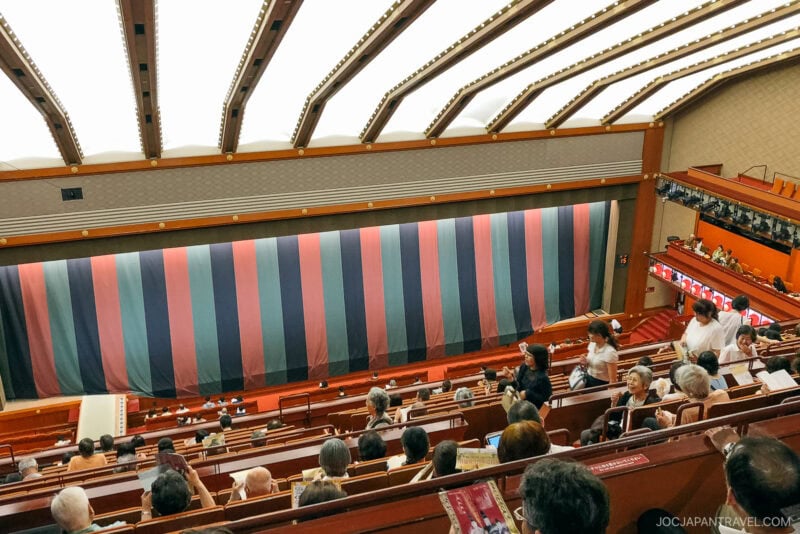
We were curious about the show but unsure about sitting through a full 3–4 hour performance. Thankfully, the theater offers single-act tickets, which are ideal for first-timers and families.
We joined the same-day ticket line at the side entrance and received a numbered entry slip. Lower numbers get seated, but even the standing spots have a good view of the stage.
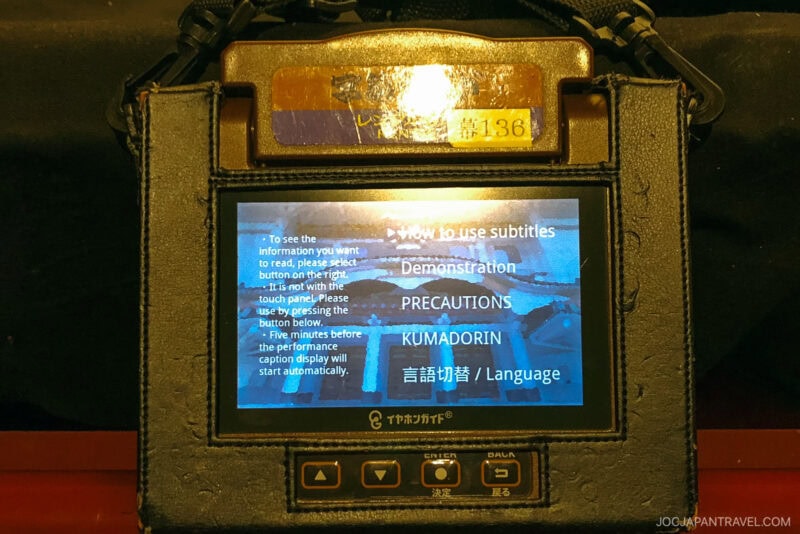
We also rented a subtitle device that provided real-time English translations of the performance. It made it easy for all of us, including our kids, to follow the story.
Tips for First-Time Visitors
Try the Single-Act Ticket
If you’re new to kabuki or short on time, the single-act option is affordable and approachable.
Arrive Early for Better Spots
Single-act tickets are first-come, first-served. Arriving 20–30 minutes early increases your chance of getting a seat.
Use the Subtitle Guide
Rent the English subtitle device to better understand the performance. It’s available at the entrance and makes the experience more enjoyable.
Check the Monthly Schedule
Performances change each month. You can view the current schedule and ticket info on the official Kabuki-za website.
How to Get to Ginza Kabuki-za Theater
Train
- Take the Tokyo Metro Hibiya Line or the Toei Asakusa Line to Higashi-Ginza Station. The theater is directly connected to the station via Exit 3, making for a very quick and weather-protected walk. From Ginza Station, the theater is a 5-minute walk from Exit A6.
- Total travel time: 10–30 minutes from central Tokyo areas.
Is Ginza Kabuki-za Theater Worth Visiting?
Even if you’re not a theater buff, Kabuki-za is a chance to dive into a unique piece of Japanese culture. We loved soaking in the colorful costumes, dramatic performances, and centuries of tradition. Sure, the dialogue can be tricky to follow if you don’t know Japanese, but the energy, music, and spectacle make it a fun and unforgettable experience.
More to Explore Nearby
After enjoying a kabuki performance in Ginza, explore more nearby attractions that showcase Tokyo’s art, architecture, and dynamic energy.
- teamLab Borderless Azabudai Hills – Immerse yourself in a borderless world of digital art, light, and sound at Tokyo’s newest teamLab installation.
- Tokyo Metropolitan Government Building Observation Decks – Take in sweeping views of the Tokyo skyline and Mount Fuji from this free public observatory in Shinjuku.
- Omotesando – Stroll through one of Tokyo’s most stylish neighborhoods, filled with upscale boutiques and iconic architecture.