
This post may contain affiliate links. Please read our disclosure policy.
Where to stay in Japan can feel overwhelming because the choices are endless. Here are our practical tips that make the biggest difference for comfort and convenience.
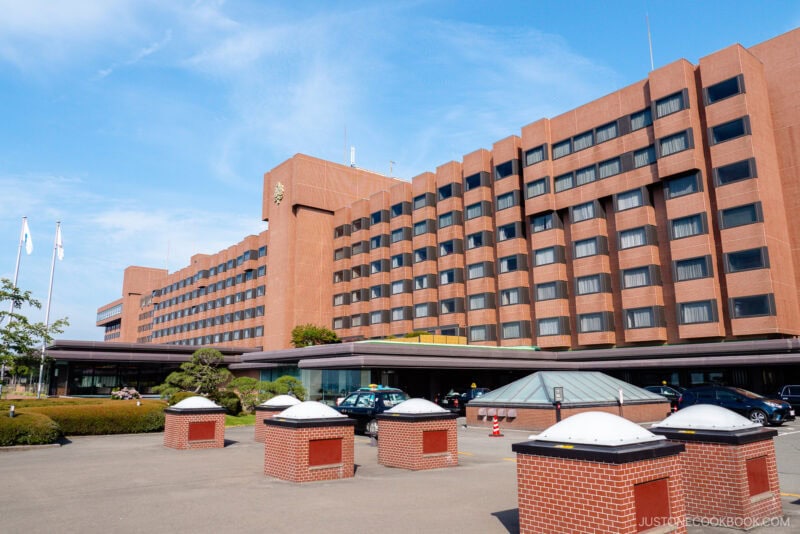
Throughout our travels in Japan, we’ve stayed in many different types of accommodations, ranging from simple budget rooms where guests sort their own trash to luxury hotels and taditional ryokan.
With so many options, deciding where to stay can feel overwhelming. Over the years, we’ve developped a simple way to choose places to stay when we travel around Japan.
Table of Contents
Ryokan vs. Hotel: Which One to Choose?
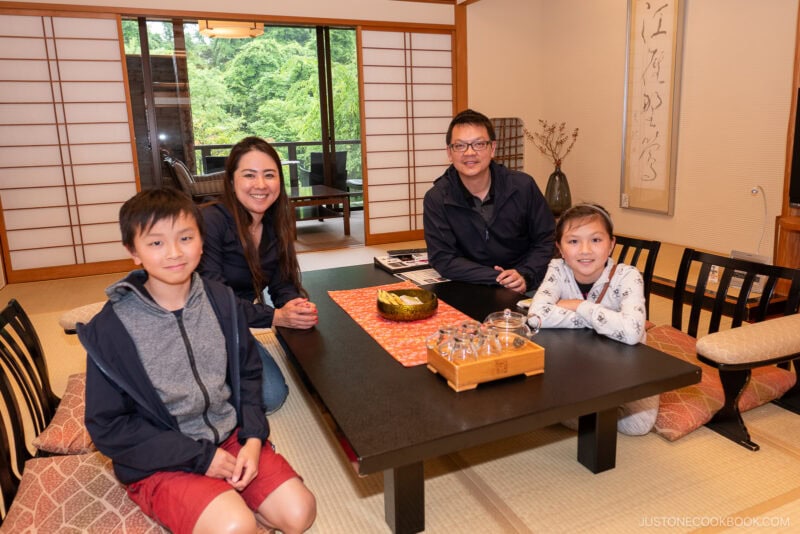
Before we get into the details of how we choose hotels and ryokan (traditional inn), let’s answer a question we hear from readers all the time: Should you stay in a ryokan or a hotel on your trip to Japan?
For our family, the answer depends on where we traveling.
In big cities like Tokyo, Osaka, and Sapporo, we almost always stay in a hotel. Hotels keep our schedule flexible and make it much easier to get around.
When we visit scenic areas or well-known onsen towns and regions, such as Hakone, Izu, Oita Prefecture, that’s when we choose a ryokan.
Let me explain a bit further.
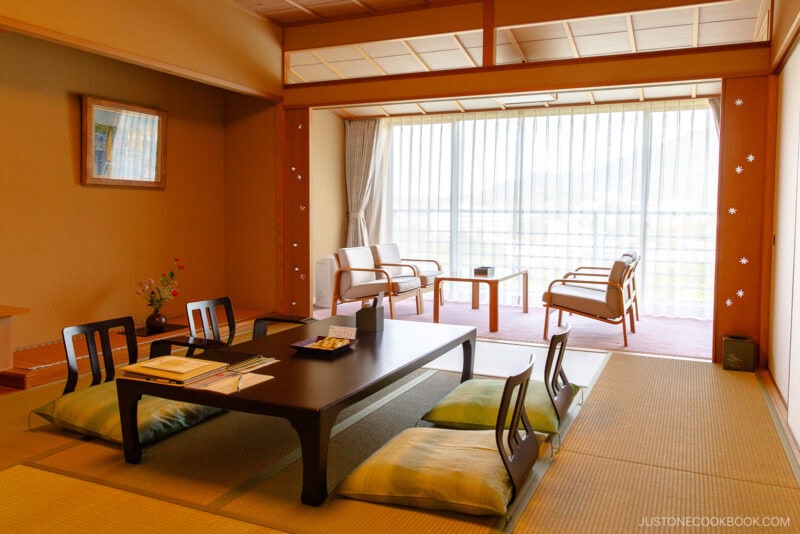
What is Ryokan?
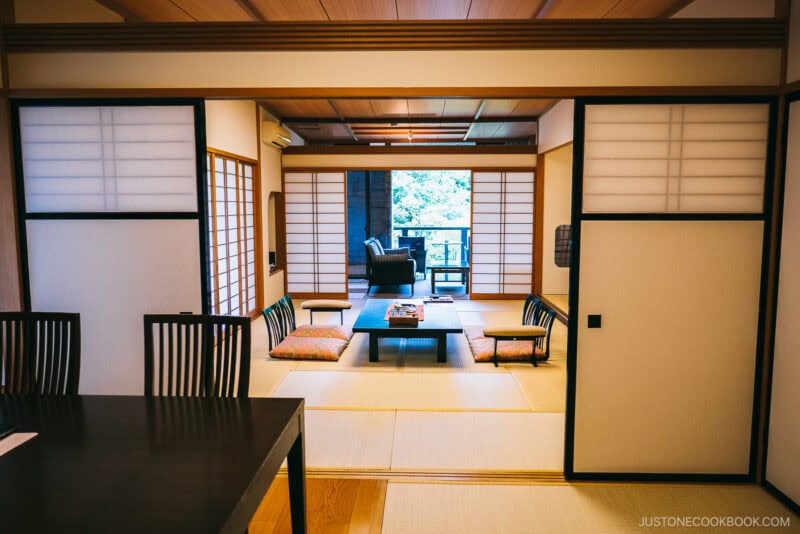
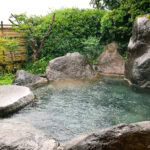
A ryokan is a traditional Japanese inn with tatami rooms, futon bedding, and a relaxing, culturally rich stay. When a ryokan is located in a hot spring area, it usually offers onsen baths, either in shared facilities or as private in-room baths.
Ryokan Stays Are Meant to Be Slow-Paced
The biggest difference between a ryokan and a hotel is the pace.
- A ryokan stay usually begins in the late afternoon.
- Check-in is around 3:30 or 4:00 pm.
- Guests are settled into the room and enjoy a cup of tea with local sweets.
- Guests are encouraged to enjoy the facitlies, garden, and public onsen to relax, before the dinner.
- At check-in, guests are usually asked to choose a dinner time, typically between 5:30 and 7:00 pm. Dinner is often a kaiseki-style meal.
- The rest of the night is about rest and recovery with more soaking in hot spring.
Ryokan stays are meant to be calm and unhurried.
Why Hotels Work So Well in Cities
Hotels are a better fit for busy city travel.
- Easy, predictable, and comfortable
- Located near major train stations (this matters most)
- Flexible check-in and dining options
- Ideal for early mornings, late nights, and full sightseeing days
This is why we choose hotels in cities and save ryokan stays for quietr, scenic areas.
Our Simple Rule of Thumb
On a first trip to Japan, stay mostly in hotels, with one or two ryokan nights for balance.
We recommend choosing hotels in cities and ryokan in the countryside or onsen towns.
This approach keeps travel easy while still giving you a memorable ryokan experience.
Hotels in Japan
Stay Near a Major Train Station

Since every family has different needs, we keep our approach simple. In major cities, we prioritize staying close to a train station. It matters more than price, views, or a big-name brand.
This choice matters even more with kids. After a full day out, they hit a wall fast. A long walk back can feel never-ending. We learned that on a jet-lagged night when the hotel felt far away.
Staying near a station saves time every day. It also makes transfers and day trips much easier. For example, in Tokyo, we love staying at the Daiichi Hotel or Blossoms Hibiya near Shimbashi Station. It’s a short walk to Ginza and a 15-minute train ride to Ueno and Shibuya, making exploring Tokyo a breeze.
Select a Hotel Near the Center of Your Trip
Another key point when selecting a hotel is choosing one near the center of your travel plans. If most of the places you want to visit are on the west side of Tokyo, do not book a hotel on the east side near Ueno. You could end up spending 30 minutes each way going back and forth.
This is especially true in Kyoto. Many major sights sit on different sides of the city, and it can take close to an hour to cross town. A centrally located hotel can save you a lot of time getting to different areas during your stay.
Check the Room Size Before You Book

Room size surprises many visitors. Japan’s hotel rooms can be very small. We have stayed in rooms where two carry-on suitcases filled the tiny walkway. After that, there was nowhere to step except onto the bed.
Always check the room size before booking. Booking.com can be helpful for this. We also compare room types within the same hotel. Prices can be similar, but room sizes can vary a lot. We often choose a larger room since we usually stay several nights in one place.
Understand Bed Types and What They Mean
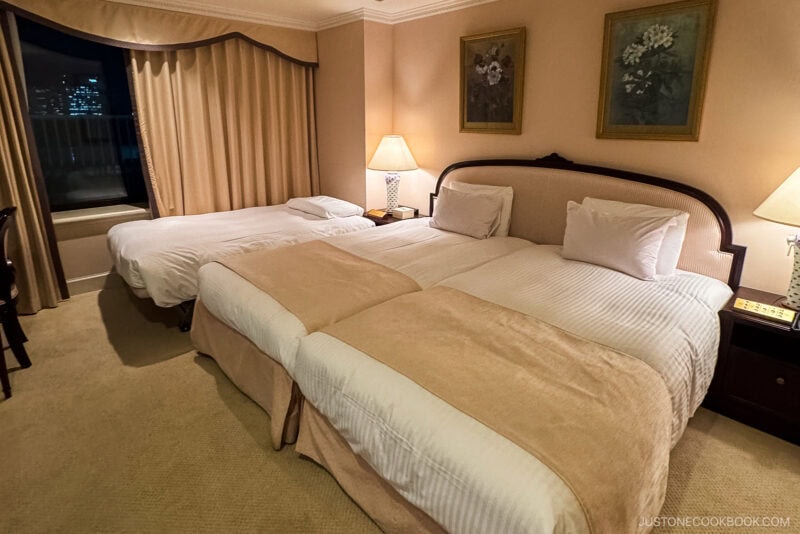
Unlike the US, two queen beds in the same room are rare in Japan. Most rooms are not large enough to fit them. Here are the bed types you will see most often:
- Single (usually a twin-size bed for one person)
- Double (meant for two people, often close to a US full; sometimes closer to a queen)
- Twin (two single beds in one room)
- Queen (one queen-size bed)
- King (one king-size bed)
- Triple / Family Room (sometimes the room fits a third twin-size bed, which is sold as a triple; family rooms are often set up with four twin beds)
If you are traveling as a family, read the bed details closely. Some “double” beds feel small for two adults. Some “twin” rooms have very little space between the beds.
Do Not Rely on Photos Alone
Hotel photos can be outdated. Some properties still use photos from decades ago. We always read recent reviews before booking. We have arrived at hotels where the photos did not match the current condition at all.
We Often Skip Hotel Breakfast
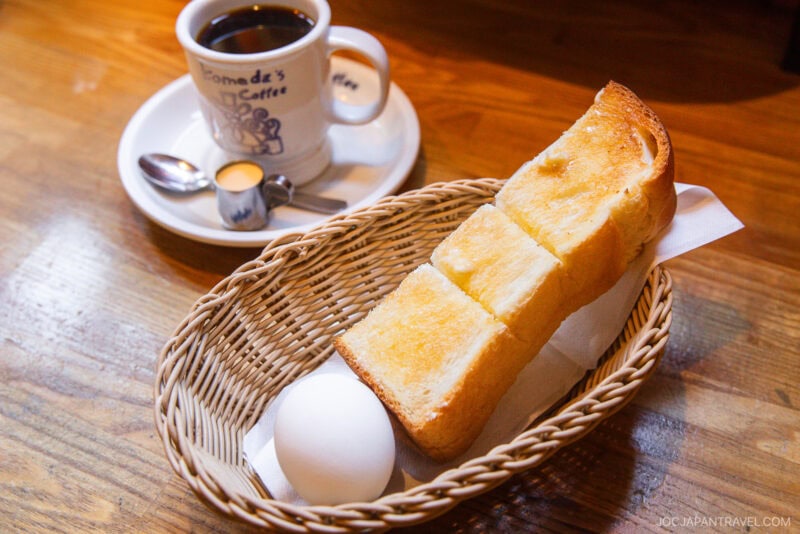
Japanese hotel breakfasts are quite good, but we usually do not add breakfast to the room. Most train stations and neighborhoods have many coffee shops and bakeries nearby. Breakfast becomes a fun way to explore the area. It is also easier to match everyone’s mood.
Two Extra Features We Like

Laundry facilities can be a lifesaver, especially on longer trips. We only travel with carry-on suitcases, even for one-month trips, so having laundry on-site makes a big difference.
We also like to stay at hotels with an airport limousine bus stop on site, or at least nearby. It simplifies arrival and departure days. On the way home, it’s nice to leave our bags with the bell desk and head out without having to make an extra stop to pick up luggage later.
Ask About Luggage Storage
Many hotels will store luggage for you if you plan to return to the same hotel on your trip. For example, you might stay in Tokyo first, then go to Hakone for two nights. Instead of bringing your full suitcase, you can leave your larger bag at the hotel and travel light with just what you need for a short stay.
Ryokan in Japan
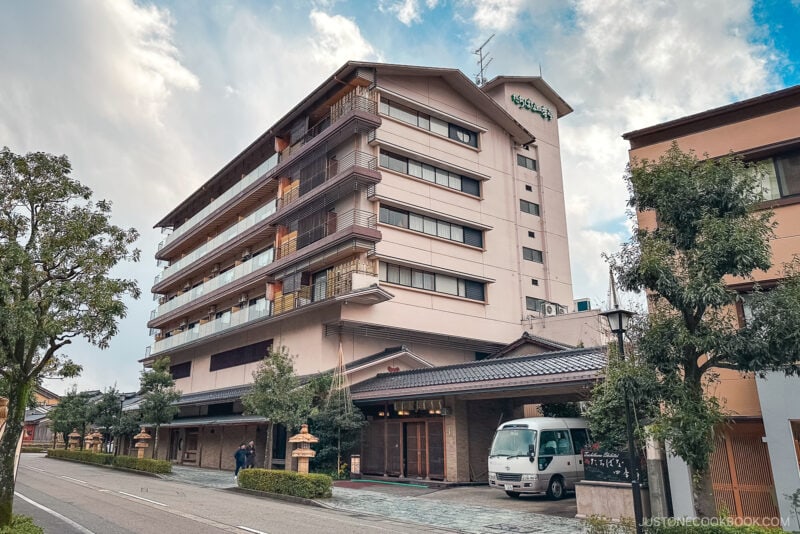
Ryokans take a different mindset. The stay is part of the experience. Meals and onsen often matter as much as the room.
Start with the Size of the Ryokan
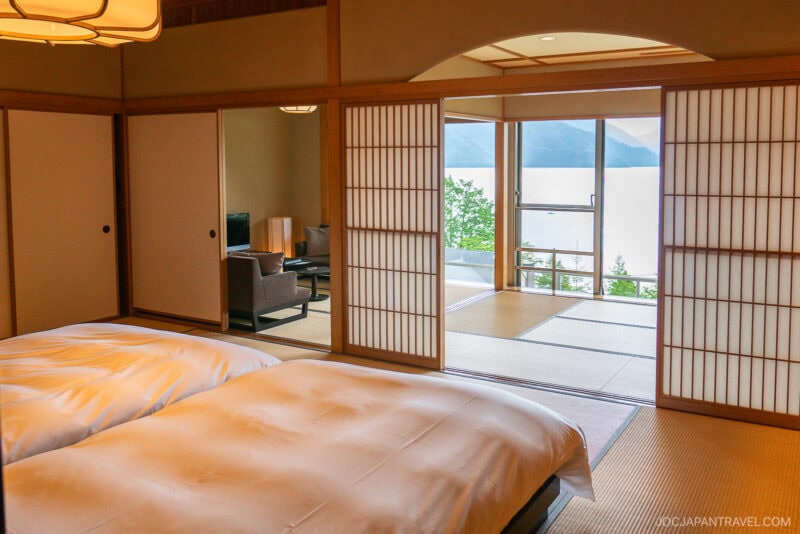
Ryokans come in many sizes. We group them into three general types.
Boutique ryokans often have around 20 rooms. They can feel quiet and personal. Food options may be limited. Some may not handle special diets well. The onsen area may be smaller. Many have nice relaxation spaces. Some rooms offer private outdoor baths.
Mid-size ryokans often have around 50 rooms. They can be a good balance. You may get more amenities. Private baths may be available to rent. Food choices often feel more flexible, too.
Large ryokans often have 100 or more rooms. These can work well for families. You may find game rooms and ping pong. Some have pools. Yukata choices can be wider. Breakfast is often a buffet.
What We Evaluate Before Booking

Beyond the size of the ryokan, we focus on three things in online guest feedback.
- Food – We look at whether they feature regional dishes. We also check the dining setup. Some ryokans serve set meals, while others offer a buffet. Buffet is often called “Viking” in Japan.
- Onsen – We look at how many soaking areas they have and how clean everything feels. We also check the amenities and changing rooms. Most importantly, we want to know what the outdoor bath is like and what the atmosphere feels like.
- Room – We check the room size and overall condition. We also look for comments about noise. If we want a private outdoor bath, we confirm whether the room includes one.
Different travelers want different things, so we focus on what matters most depending on who we are traveling with. If we are traveling with an elderly family member, we always confirm the ryokan has elevators, especially if it has multiple floors.
Many ryokan also have private onsen (kashikiri-buro). These may be free or paid, require an on-site reservation, or run on a first-come, first-served basis. One thing to note: private onsen details are often not listed on the website, so you may only find out after arrival. If this matters to you, check recent reviews or ask the ryokan directly.
A ryokan also doesn’t have to be expensive to be enjoyable. We have stayed at lower-cost ryokans, including APA Resorts, and still had a great time.
Where We Read Ryokan Reviews
For ryokan reviews, we often use Japanican by JTB and Jalan. We find the reviews on both sites helpful. They often match what we experience in person.
We hope our tips for finding places to stay are helpful. If you have any questions, please leave them in the comments below.
Hello Mr. JOC,
I hope you are rested from your whirlwind trip. It was amazing to follow along on your journey.
Thank you and your team for the wealth of information on Japan! It helps to plan our trips to Japan. We absolutely enjoyed your recommendation on the Daiichi Hotel Shinbashi in Tokyo.
We are planning a trip to Kyoto and wondered if you could please recommend some good hotels. We will probably be staying in Central Kyoto area.
Also, we will be flying into Kyoto from Haneda. Is it best to fly into Osaka Itami Airport?
Thank you very much!
Kris
Hi Kris,
Thank you for sharing your feedback about the Dai-ichi Hotel! We really like the room size and location as well, especially for a longer stay.
Next time, you might also consider this place in Ginza:
https://maps.app.goo.gl/PPFqoFUsKB6F4vUn8
We stayed there last summer and found it really convenient, especially since each unit has its own washer and dryer.
For Kyoto, if it’s your first visit, don’t underestimate how spread out the city is. Depending on where you’re going, it can easily take 45 minutes to an hour to get from one side of the city to the other. When making dinner reservations, we recommend choosing a restaurant near where you’ll be sightseeing that afternoon or evening. The last thing you want after a long day of exploring is to have to cross the entire city just to get to dinner.
Similar to Tokyo, we recommend staying somewhere fairly central and close to a subway station. Here are a few options to consider:
* MIMARU SUITES Kyoto Central
* Ace Hotel Kyoto
* The Royal Park Hotel Iconic Kyoto
* Tomoya Residence Hotel Kyōto Nijō Takakura
* Mitsui Garden Hotel Kyoto Sanjo Premier
Of course, Kyoto is also famous for its ryokans. If you’d like a more traditional Japanese experience, you could consider:
* Ryoan Kazuki
* Matsui Honkan
Hope this helps with your planning, and please feel free to reach out if you have any other questions!
Mr JOC, we are 4 adults in a family travelling and intending to stay together in a 2 bedroom arrangement in Tokyo. It would not feel like our family is travelling together if we were to stay in separate rooms. I am sure you have the same sentiments since you are also a family of four. The joy and merriment come from spending time together is irresistible and irreplaceable when not exploring outdoors.
First time in Japan and eyeing 7 days before or straddling Christmas this year. Please could you recommend suitable accommodation and must-see, do and taste since it would be some time before all 4 of us can make precious time to travel again due to the nature of our work, thank you so much!
Hi CY,
I completely understand—traveling together in the same space makes the trip so much more special! I’d highly recommend looking into Mimaru Suites Asakusa and Nihombashi. Our friends recently stayed there, and a JOC reader did too; both gave them glowing reviews!
It is quite popular so I would book soon.
Can you please recommend any bonsai gardens to visit?
Hi Paula,
We’ve seen bonsai exhibitions at museums, but if you’re looking for a permanent collection, we’d recommend visiting Shunkaen Bonsai Museum and the Omiya Bonsai Art Museum.
Both are wonderful places to experience bonsai up close and learn more about the artistry behind them.
Here are the links for more details:
https://www.facebook.com/Shunkaenbonsai/?ref=embed_page#
https://omiyabonsai.jp/
Thanks so much for all the travel tips! I haven’t been to Japan in years and will be my kids first time. They are in their early 20s and I’ve looked at your suggestions of Shimbashi Station and will look at that as well as Shimbuya which I’m not sure which to choose? Do you recommend booking 2 rooms since it seems the beds and rooms are small but are there any hotels that have 2 queens or would it be mostly 4 twin beds which I’ve seen? Thanks!
Hi Christine!
In Japan, “2 queen beds in one room” is very rare. What you’ll usually find instead is a family room with 4 single (twin) beds. If the price is similar, we typically recommend booking two rooms (with 2 twin beds each) because Tokyo rooms (and bathrooms) are compact, and it’s just much more comfortable for everyone.
For Shibuya, Tokyu Excel Hotel Tokyu is super convenient and does offer 4-bed rooms, but the rooms are fairly basic:
https://tidd.ly/4bUGFvQ
Since it’s your kids’ first trip, Shibuya is a great area to stay because there’s so much to do nearby. If you’re open to something a bit nicer (and usually pricier), Cerulean Tower Tokyu Hotel is another popular option:
https://tidd.ly/40geG2w
Hope that helps and let us know if you have any other questions.
Thank you for all the wonderful information! Do you have recommendations for hotels in Osaka for a family traveling with young adults. We prefer an upper quality hotel that is close to transportation.
Hi Chris,
Osaka is much more compact than Tokyo, so choosing a hotel and getting around is generally easier. We recommend staying somewhere between Umeda and Dotonbori, ideally near a major train/subway station, since that puts you right in the middle of the city.
A few hotels we’ve liked:
Hotel Hankyu International (spacious rooms)
https://tidd.ly/4766khE
THE OSAKA STATION HOTEL, Autograph Collection (right by Umeda Station)
https://tidd.ly/46nYBeR
Hotel Monterey Grasmere Osaka (near Namba Station)
https://tidd.ly/478Yunw
We’ve stayed at several Hotel Monterey properties around Japan. They’re usually clean, well-kept, and reasonably priced.