This post may contain affiliate links. Please read our disclosure policy.
Planning where to eat in Japan just got easier! With Tabelog’s new English version, visitors can now find everything from casual ramen shops to Michelin-starred dining with confidence.
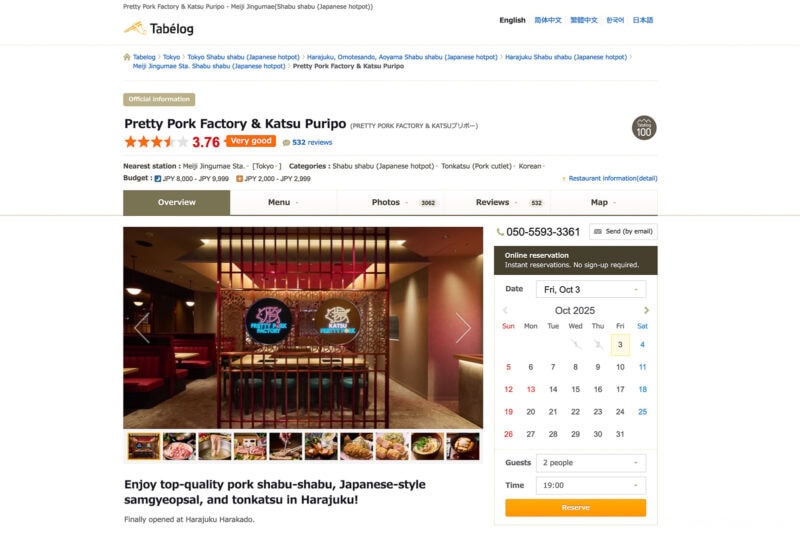
Why We Trust Tabelog for Restaurant Picks
Even after years of traveling in Japan, choosing where to eat can feel overwhelming. In cities like Tokyo or Osaka, there are endless options on every block. From ramen counters to kaiseki restaurants, the choices are exciting but sometimes confusing.
That’s where Tabelog comes in. It’s often described as the “Yelp of Japan,” but the reviews are more consistent and the standards higher. We’ve found it especially useful when exploring neighborhoods outside major tourist areas. Unlike Google Maps or Tripadvisor, Tabelog ratings tend to reflect local taste and expectations for quality.
What’s a Good Tabelog Rating?
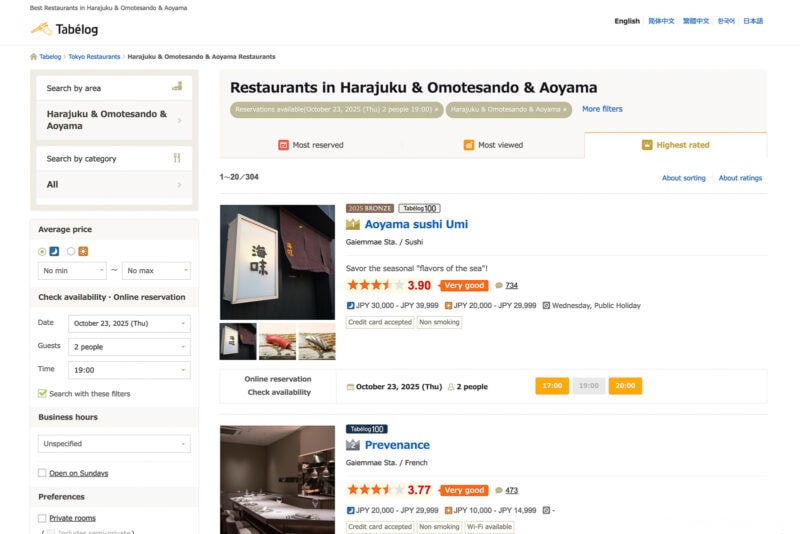
Over time, we’ve learned how to read the numbers:
- 3.0–3.4 – Reliable spots for casual meals, especially handy if you’re in a hurry.
- 3.5 and above – Almost always excellent, often local gems or respected chains.
- 4.0 and above – Usually Michelin quality or very popular. Expect long waits or book ahead.
To put it in perspective, Sukiyabashi Jiro of Jiro Dreams of Sushi fame has a Tabelog rating of 3.85.
How to Use Tabelog (Now in English)
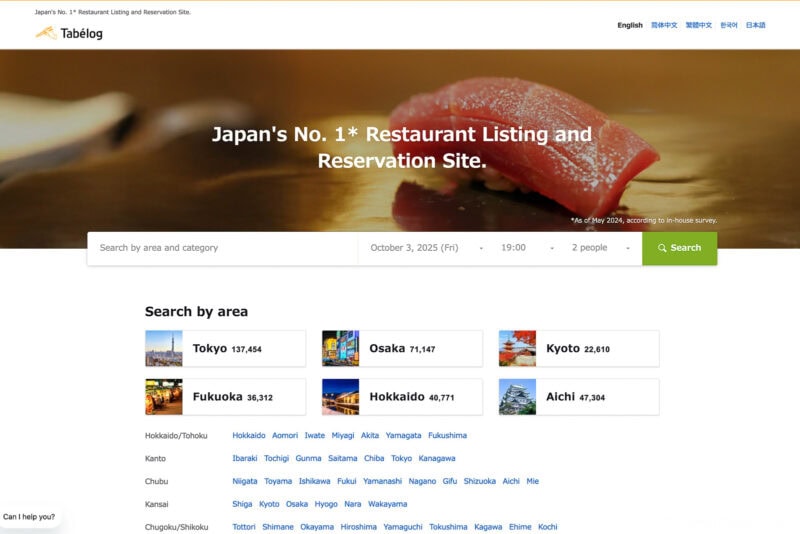
The English version of Tabelog makes it much easier to navigate. Here’s how we use it:
- Go to tabelog.com/en or open the English app.
- Search by city, neighborhood, or train station. You can also filter by cuisine such as ramen, soba, or yakitori.
- Apply filters for budget, hours, takeout, or seating options.
- Sort results by rating, popularity, or number of reviews.
- Check each listing for photos, menus, and Google Maps directions. Many listings also note if credit cards are accepted or if the restaurant is family-friendly.
- Tabelog has continued to improve its English site. In the past, reservations were only possible on the Japanese version, but you can now book in the English version as well. Please be respectful and only make a reservation if you plan to keep it.
- Keep in mind that punctuality matters in Japan. Being even ten minutes late can cost you your table. Also, some places only accept cash, so it’s good to double-check.
Features We Love on Tabelog
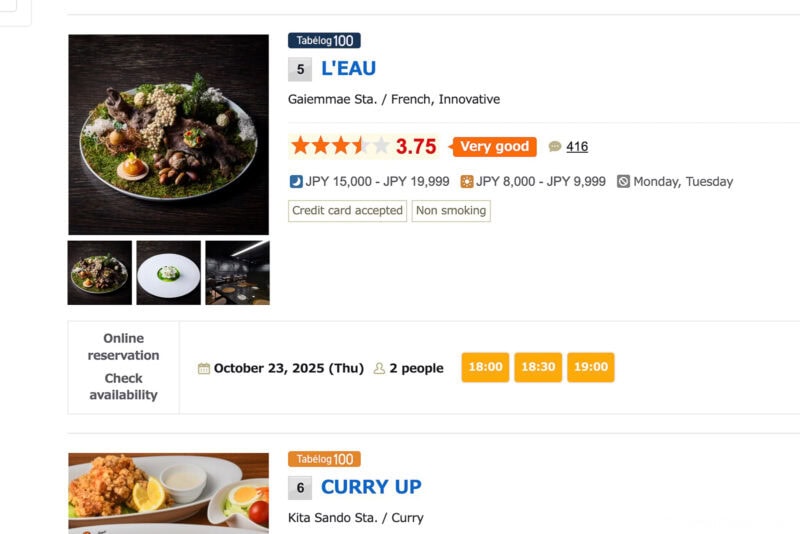
- Top 100 Lists – Each region highlights must-try restaurants by cuisine, which is great when planning food-focused trips.
- User Photos – Japanese reviewers often upload multiple photos of every dish, so you know exactly what to expect.
- Bookmarking – We save our favorites into lists for each trip, making it easy to pull up options near sightseeing spots.
Why We Recommend Using Tabelog
Whether we want a casual ramen lunch or a special anniversary dinner, Tabelog has helped us avoid disappointing meals. Now that the English version is live, it’s even easier to use. Some of our most memorable dining experiences in Japan started with a Tabelog search.
Other options to book restaurant reservation in Japan include TableCheck or Gurunavi.
More Food & Travel Guides to Explore
If you’re planning meals in Japan, these guides pair perfectly with using Tabelog:
- What to Eat in Tokyo – A full guide to local specialties, from sushi to tonkatsu.
- Kyoto Food Guide – Explore seasonal kaiseki, yuba, and Kyoto sweets.
- Eating in Hokkaido – Discover fresh seafood, ramen, and dairy treats.
- Onsen Etiquette – Tips for enjoying hot springs.
More to Explore Nearby
Tabelog is an indispensable tool for finding authentic dining across the country. Use its highly rated restaurants as your starting point to explore Japan’s largest culinary hubs, from Osaka’s neon-lit streets to Kyoto’s historic markets.
- Osaka Dotonbori – Dive into the electric, neon-lit entertainment district of Osaka, the perfect place to sample street food and find highly reviewed local restaurants.
- Nishiki Market (Kyoto) – Explore Kyoto’s famous “Kitchen,” a bustling covered market filled with specialized food vendors, perfect for sampling local pickles, seafood, and sweets.
- Shinjuku Gyoen National Garden – Take a necessary break from the busy, culinary hustle of Tokyo with a restful visit to this expansive and beautiful urban oasis.
- Nara Park – Explore the historical and cultural contrast of the Kansai region by visiting this famous park, where hundreds of wild deer roam among ancient temples.