This post may contain affiliate links. Please read our disclosure policy.
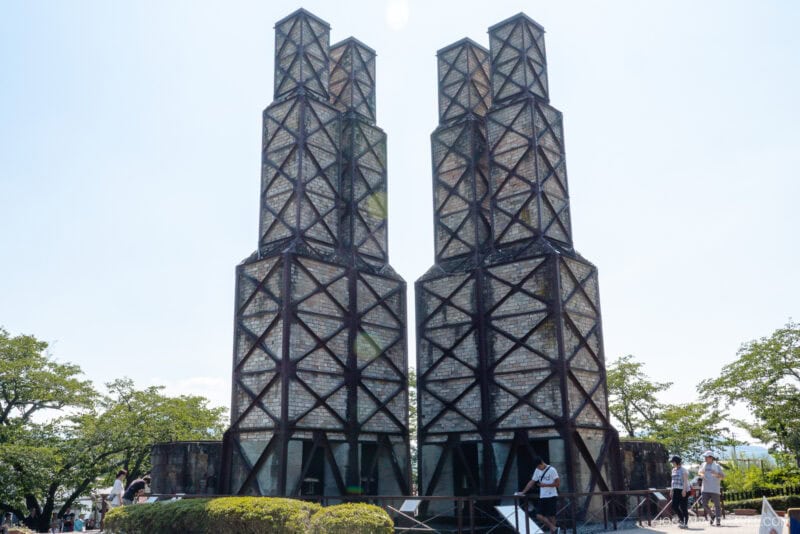
The Nirayama Reverberatory Furnace is a UNESCO World Heritage Site in Shizuoka that reveals how Japan transformed from isolation to industrial strength in the 19th century.
What Is the Nirayama Reverberatory Furnace?
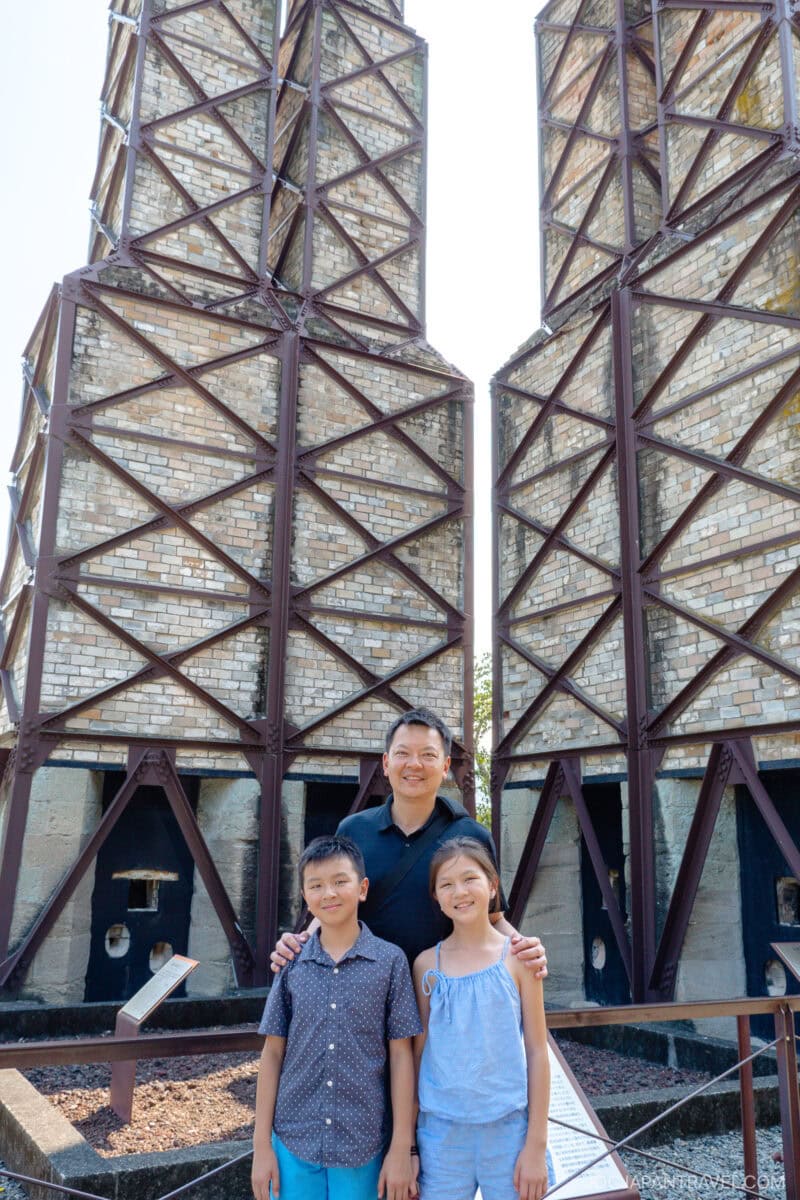
The Nirayama Reverberatory Furnace was built in 1857 during the late Edo period, when Japan was under pressure from Western powers. The Tokugawa shogunate needed stronger coastal defenses, and this brick furnace was used to cast iron cannons.
Today, it stands as the best-preserved example of its kind in Japan and is part of the UNESCO “Sites of Japan’s Meiji Industrial Revolution.” Seeing it in person gives a sense of the urgency and innovation of that era.
Highlights:
- Symbol of change: One of the first Western-style iron manufacturing sites in Japan.
- Military purpose: Cannons from here were made to defend the coast.
- Global recognition: UNESCO World Heritage Site since 2015.
- Preservation: The only intact reverberatory furnace still standing in Japan.
Our Visit to the Furnace
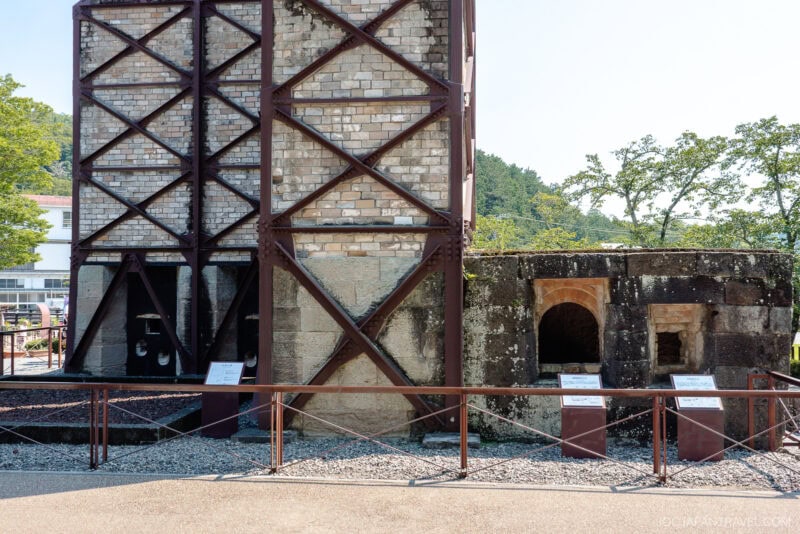
We stopped here during our Izu Peninsula road trip and were surprised by how engaging the visit was. This historic ruin felt alive with stories of Japan’s transformation.
What Made It Memorable
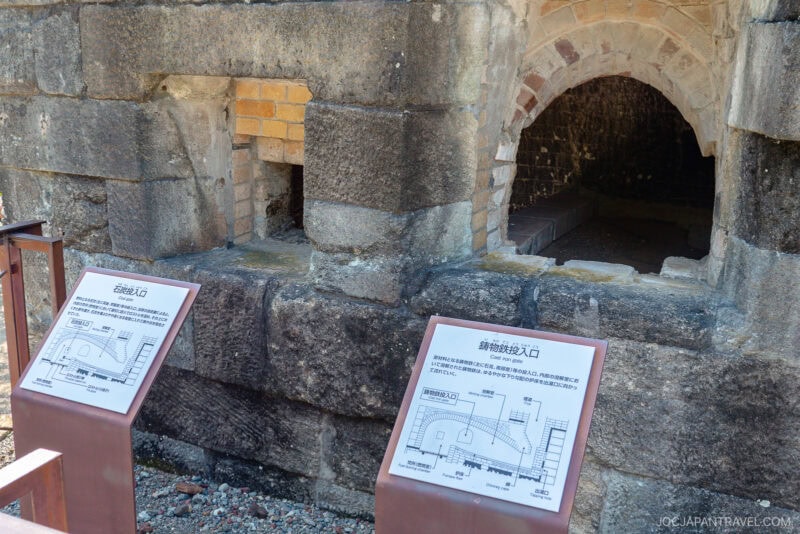
- The Museum: Compact but excellent, with displays and artifacts that explain the history. Our kids especially liked the short film that made the story easy to follow.
- The Furnace Structure: Walking around the tall brick towers from every angle gave us a real sense of their scale and purpose.
- Local Flavor: Next to the site is a shop with specialty products, and during tea season you can even join a hands-on tea leaf harvesting experience.
- Interactive Displays: Models and visuals show how the furnaces worked, making it approachable for kids and adults.
How to Get to Nirayama Reverberatory Furnace
By Train
From Mishima Station, ride the Izuhakone Railway Sunzu Line to Izu-Nagaoka Station, about 20 minutes. From there, take a taxi about 10 minutes or a local bus toward Nirayama. Get off at the “Hansharo” stop and walk 5 minutes.
By Car
About 10 minutes from Izu Nagaoka Station, 30 minutes from Mishima, or 45 minutes from Ito on local roads.
Travel Time & Tips
- Plan 60 to 90 minutes for the museum and grounds.
- Easy to pair with Mishima Skywalk or Mishima Taisha on the same day.
Pro Tip: Start with the short orientation film. It helps kids and adults appreciate the furnace.
Is the Nirayama Reverberatory Furnace Worth Visiting?
The furnace offers something different from onsen towns or temples, giving visitors a chance to step into a key moment in Japan’s modernization.
The site is well presented, easy to explore in an hour, and especially interesting if you’re traveling with kids or anyone curious about history. We left with a much clearer sense of how Japan moved from isolation to becoming an industrial nation.
More to Explore Nearby
The Nirayama Reverberatory Furnace is a unique UNESCO World Heritage site, providing a window into Japan’s early industrial revolution. Located in Izunokuni on the Izu Peninsula, the surrounding area offers a compelling mix of volcanic landscapes, healing hot springs, and spectacular views of Mount Fuji.
- Izu Panorama Park – Take a ropeway up Mount Katsuragi for breathtaking views from the Ao Terrace, where you can gaze upon Suruga Bay, the Izu Peninsula, and the majestic Mount Fuji on a clear day.
- Shuzenji Onsen & Bamboo Forest – Visit one of Izu’s most famous and atmospheric hot spring towns, featuring the ancient Shuzenji Temple, a beautiful bamboo forest path, and traditional ryokan for a relaxing contrast to the historical site.
- Mishima Skywalk – Head north to the Mishima area to cross Japan’s longest pedestrian suspension bridge, which offers exhilarating and unobstructed panoramic views of Mount Fuji and the surrounding mountains.
- Kakita River Park – Discover the source of the crystal-clear Kakita River, where a massive volume of spring water originating from Mount Fuji gushes to the surface, creating a beautiful and designated National Natural Treasure.