This post may contain affiliate links. Please read our disclosure policy.
Spending the night at Kamikochi Alpen Hotel lets you experience Japan’s Northern Alps at a slower pace, with crisp air, starlit skies, and quiet mornings by the river.
Why Stay Overnight in Kamikochi?
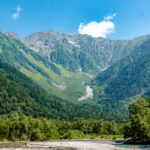
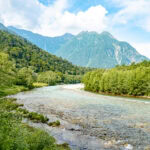
Kamikochi is part of Chubu Sangaku National Park, which means limited development, no private cars, and only a handful of lodges. That’s exactly what makes it special. Most visitors leave by late afternoon, but staying overnight allows you to enjoy the valley when it’s at its quietest. Waking up to bird calls, misty peaks, and the glow of morning light on the Azusa River is unforgettable.
About Kamikochi Alpen Hotel
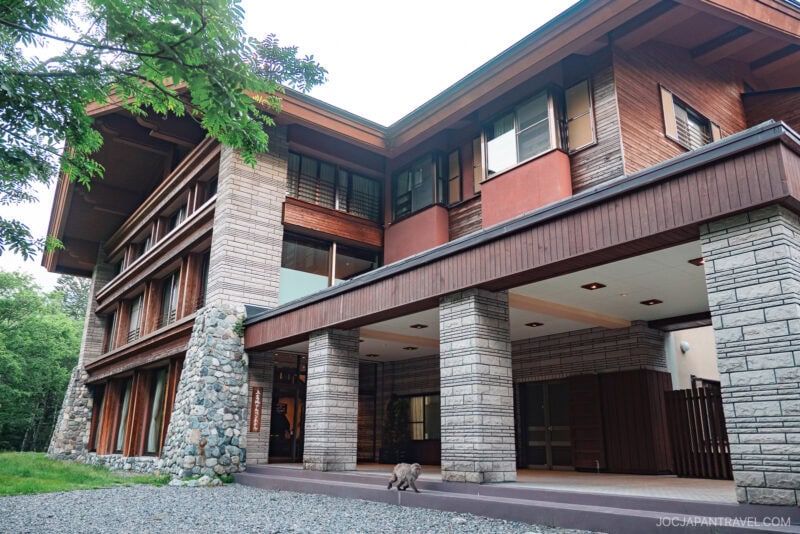
The Kamikochi Alpen Hotel is just a short walk from Kappa Bridge, making it both convenient and tucked away from the busiest paths. When we arrived, a small group of Japanese macaques greeted us near the entrance, a natural reminder that Kamikochi is as much their home as it is ours.
What We Loved About the Hotel
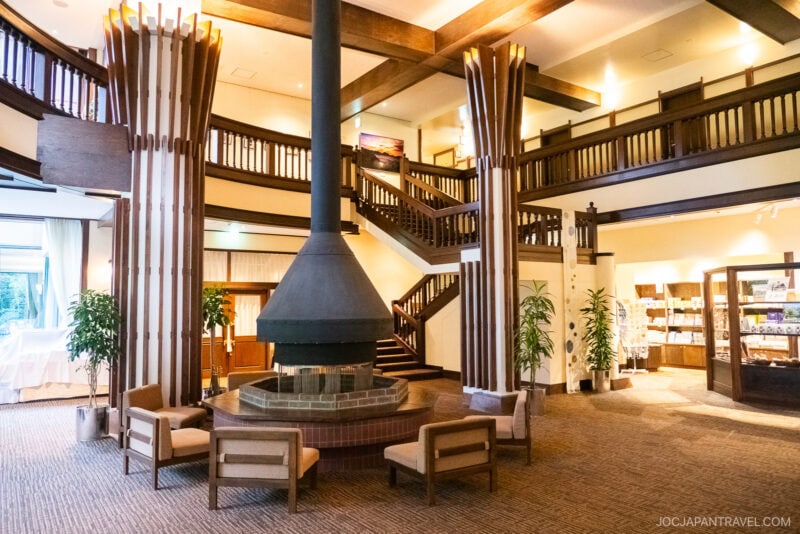
- Mountain lodge atmosphere: The lobby feels warm and rustic, with a central firepit and tall windows framing the forest.
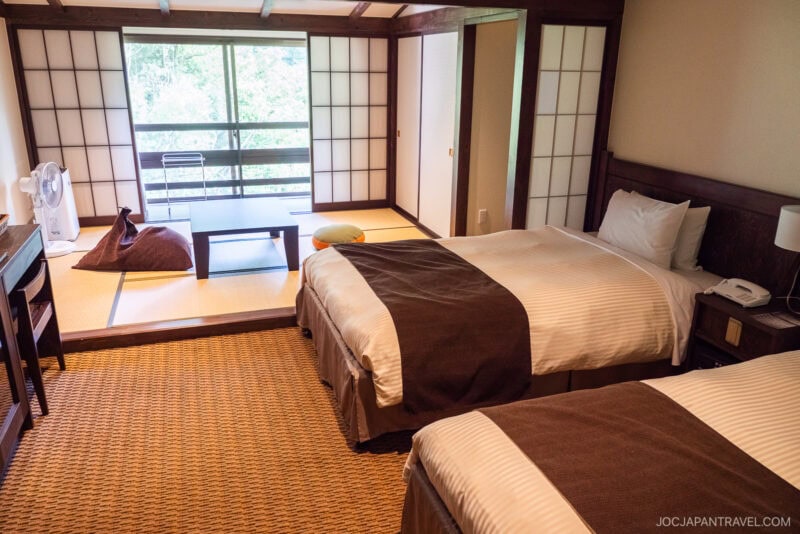
- Spacious family rooms: Ours had two Western beds plus a tatami sitting area that became a futon space at night. It worked perfectly for our family of four.
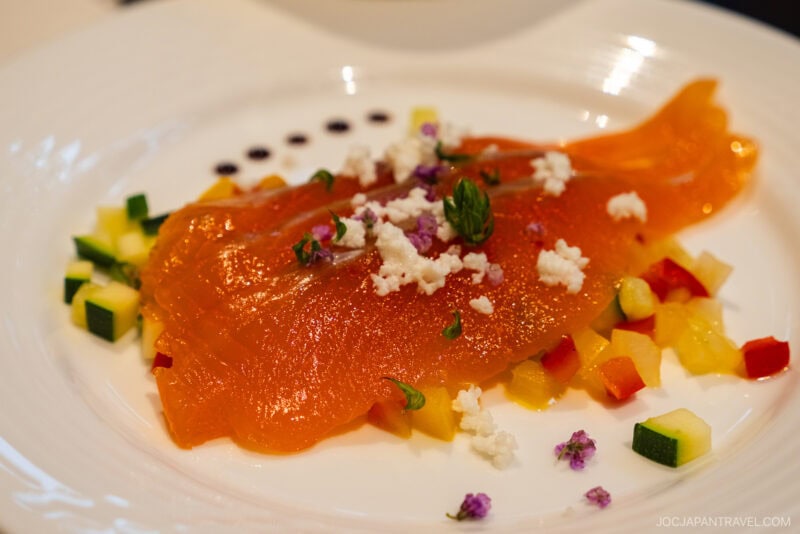
- Meals included: Dinner was a kaiseki-style set made with local ingredients, and breakfast was hearty enough to fuel a day of hiking. Considering the remote setting, we were impressed by the quality.
- Public bath: After walking all day, soaking in the large bath was the best way to relax. It isn’t an onsen, but it felt soothing and refreshing.
What to Know Before You Go
- No air conditioning: While the nights in Kamikochi are cool, the room can feel warm. A fan is provided, but please don’t open the window. We learned the hard way that the lights draw in lots of bugs.
- Luggage tips: Private cars aren’t allowed. You’ll need to take a bus or taxi to Kappa Bridge and walk about 10–15 minutes to reach the hotel. A backpack or soft bag works better than a rolling suitcase on the rocky walking paths.
- Book early: Rooms sell out quickly during summer holidays (mid-July to mid-August) and autumn foliage season (late September to October). For a quieter stay, try early June or late October.
How to Get to Kamikochi Alpen Hotel
Nearest drop off: Kappa Bridge in Kamikochi. The hotel is a 10 to 15 minute walk from the bridge.
Luggage Tips
Use a backpack or soft duffel. Wheeled suitcases are hard to roll on gravel and boardwalk paths.
Is Kamikochi Alpen Hotel Worth Staying At?
The Kamikochi Alpen Hotel offers comfort without losing the mountain lodge charm. It may not have luxury amenities, but it provides the essentials: hearty meals, cozy rooms, and a location that puts you in the heart of one of Japan’s most beautiful landscapes. Most hotels are around Kappa Bridge, except for the Kamikochi Imperial Hotel, which is closer to the Tashirobashi.
More to Explore Nearby
The Kamikochi Alpen Hotel’s central location near Kappa Bridge makes it the perfect launch point for exploring the valley’s most famous photo spots and trails, as well as the cultural heart of the wider region.
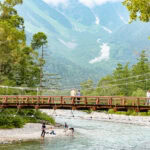
- Kappa Bridge (Kappabashi) – Walk a few minutes to this iconic wooden suspension bridge, which offers the most famous panoramic view of the Azusa River and the towering Hotaka mountain range.
- Myojin Pond and Hotaka Shrine Okumiya – Take a gentle, scenic one-hour hike upstream to visit this sacred, tranquil pond and the revered inner sanctuary of the Hotaka Shrine.
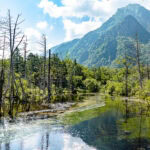
- Taisho Pond – Start your day with an early-morning walk to this misty pond, where the still water provides a stunning mirror-like reflection of the peaks and dead trees.
- Shinhotaka Ropeway – Venture just outside the valley to experience Japan’s only double-decker gondola, offering magnificent, breathtaking views from high up in the Northern Alps.