This post may contain affiliate links. Please read our disclosure policy.
In the heart of Kappabashi Dougu Street, food replica shops offer a fun mix of shopping, artistry, and hands-on creativity for the whole family.

The Fascinating World of Food Sampuru
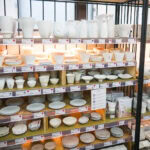
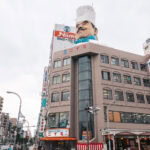
Kappabashi Dougu Street is Tokyo’s go-to destination for kitchen tools, knives, and tableware, but for our family, one of the most memorable discoveries was the world of plastic food replicas, or sampuru.
These lifelike models of sushi, ramen, parfaits, and grilled fish aren’t just restaurant decorations—they’re miniature works of art. In Kappabashi, you can browse an incredible variety, take photos, and even make your own.
What Is Food Sampuru?

Sampuru comes from the English word “sample” and refers to the realistic food models you often see in Japanese restaurant windows. First created in the 1920s, they have become an iconic part of Japan’s dining culture, helping diners visualize meals before ordering.
Each piece is handmade using vinyl resin or wax, then painted in meticulous detail. From a glossy tempura shrimp to a bubbling bowl of curry rice, the craftsmanship is remarkable. Beyond being quirky novelties, sampuru reflect Japan’s emphasis on presentation, hospitality, and skill.
Where to Shop for Food Sampuru in Kappabashi

Several specialty shops in Kappabashi sell food replicas. Here are some of them:
Ganso Shokuhin Sample-ya (元祖食品サンプル屋)
One of Japan’s most famous sampuru brands, blending retail and museum-like displays.
Sato Sample (佐藤サンプル)
Offers hands-on workshops where you can make your own donburi bowl.
Tips for Visiting Sampuru Shops in Kappabashi

- Photography: Some shops allow photos, others don’t—always check signage or ask first.
- Souvenirs: Keychains, magnets, and mini food charms are easy to pack and make great gifts.
- Pricing: Small items start around ¥500; full-size plate replicas can be ¥3,000–¥5,000 or more.
- For Art Lovers: Even if you don’t buy anything, the craftsmanship is worth admiring.
How to Get There
Train
- Tawaramachi Station (Tokyo Metro Ginza Line) is about a 5-minute walk and Asakusa Station about a 10-minute walk.
Pro Tip: Combine your visit with Sensoji Temple and Nakamise Shopping Street for an easy half-day around Asakusa.
Are the Food Replica Shops in Kappabashi Worth Visiting?
Browsing sampuru shops is a fun, family-friendly way to experience the artistry, design, and food culture Japan is known for. I highly recommend it as a quirky cultural adventure. Even if you’re not planning to buy anything, the creativity and craftsmanship on display make these shops a stop you won’t want to miss.
More to Explore Nearby
After marveling at the artistry of shokuhin sanpuru (plastic food samples), continue your exploration of Kappabashi Kitchen Town by browsing its essential cookery shops or heading just a short distance to the traditional center of Asakusa.
- Kamata Knife Shop – Visit one of Kappabashi’s premier specialty stores to find high-quality Japanese knives, perfect for professionals and cooking enthusiasts.
- Kappabashi Baise – Browse the unique tableware, ceramics, and dining goods at this specialty store, which is a favorite for chefs and restaurant suppliers.
- Senso-ji Temple – Take a short walk to Asakusa to visit Tokyo’s oldest and most famous Buddhist temple, the centerpiece of the area’s traditional culture and architecture.
- Nakamise Shopping Street – Stroll down the bustling traditional road leading up to Senso-ji Temple, lined with stalls selling souvenirs, traditional snacks, and Japanese goods.