This post may contain affiliate links. Please read our disclosure policy.
Founded by the Chinese monk Ganjin, Toshodai-ji is a UNESCO-listed temple where ancient architecture, peaceful gardens, and centuries of Buddhist history come together.
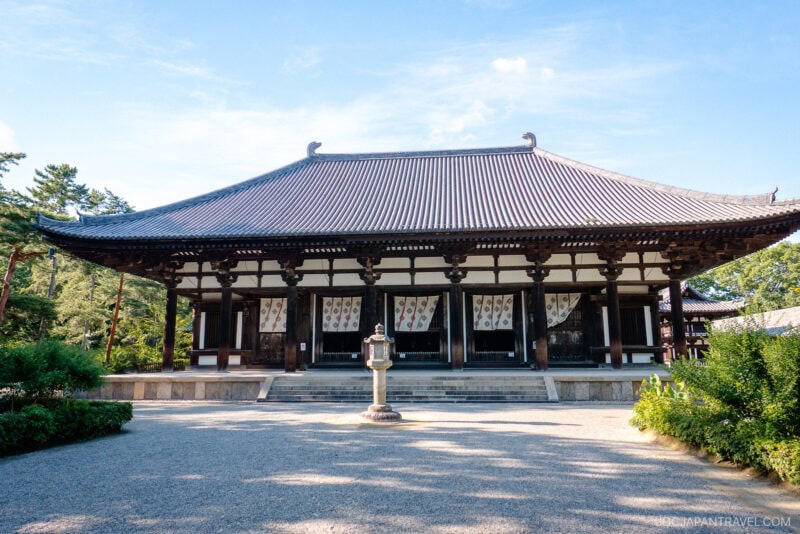
A Place of History and Reflection in Nara
Toshodai-ji is one of the Seven Great Temples of Nara and part of the UNESCO World Heritage Sites. Known for its historical importance and well-preserved architecture, it also offers a quiet setting for walking and reflection.
We had planned only a short visit, but the peaceful paths, well-maintained gardens, and striking main hall encouraged us to stay and explore longer than expected.
A Temple Built on Determination

Toshodai-ji was founded in 759 by Ganjin Wajo (鑑真和上), a revered Chinese monk of the Tang Dynasty. Invited to Japan to teach Buddhist precepts, Ganjin faced six failed attempts to cross the sea. He endured shipwrecks, pirate attacks, and eventual blindness before finally arriving in Nara in 753. His perseverance shaped the Ritsu sect of Buddhism in Japan.
Highlights of Toshodai-ji
The Great Lecture Hall (Kondo)
The main hall is considered a masterpiece of Nara-period architecture and features entasis columns, slightly curved for visual balance. The temple’s celebrated Senju Kannon, a thousand-armed statue of the bodhisattva of compassion. It is one of Japan’s oldest surviving wooden Buddhist statues.
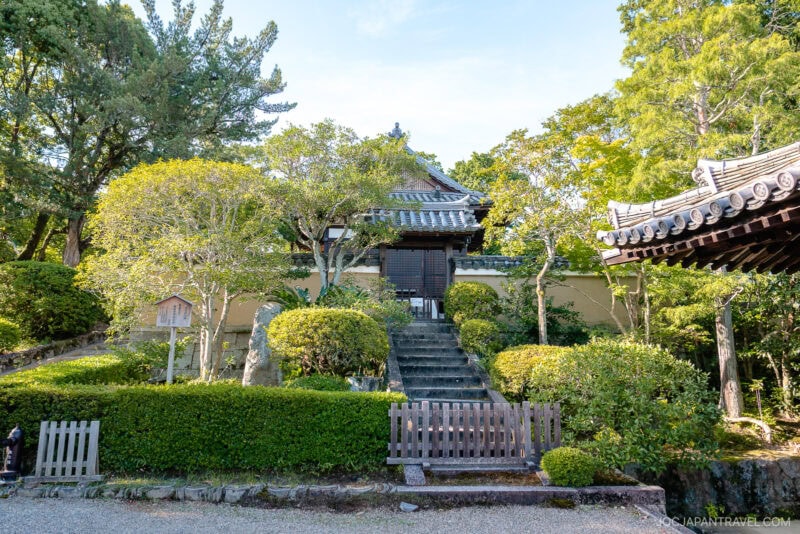
The Kaizando and Ganjin’s Image
After Ganjin’s passing in 763, his disciples carved a lifelike statue in his memory. The original is displayed only once a year on June 6, but a detailed replica is on view daily in the Kaizando Hall.
How to Get to Toshodai-ji
From Kintetsu Nara Station, take the Kintetsu Line to Yamato-Saidaiji Station, transfer to the Kintetsu Kashihara Line, and get off at Nishinokyo Station. From there, it’s about a 10-minute walk. Total travel time: 15-20 minutes.
Pro Tip: It’s easy to pair a visit with nearby Yakushi-ji, which is just a short walk away—perfect for a half-day temple itinerary.
Is Toshodai-ji Worth Visiting?

Toshodai-ji combines historical depth, beautiful architecture, and a peaceful setting that’s less crowded than other major Nara temples. It’s an ideal stop if you’re interested in Buddhist history, want to see one of Japan’s oldest wooden halls, or simply need a break from busier tourist sites.
More to Explore Nearby
As a revered World Heritage site in the western part of the city, Toshodai-ji places you close to other magnificent ancient temples and the sprawling historical grounds of the former capital.
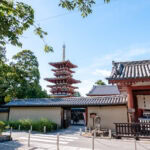
- Yakushi-ji Temple – Head to this nearby World Heritage temple, famous for its beautifully symmetrical layout and vibrant, majestic pagoda.
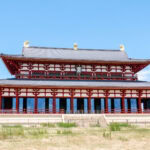
- Heijo Palace Site – Explore the expansive grounds of the former Imperial Palace, which served as the political and cultural center of Japan during the Nara Period.
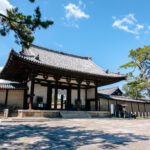
- Horyu-ji Temple – Take a trip west to visit what is widely considered the world’s oldest surviving wooden structure, holding a vast complex of ancient buildings.
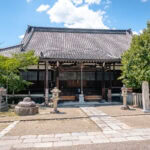
- Saidai-ji Temple – Discover the “Great Western Temple,” historically counted as one of Nara’s seven great temples, famous for its impressive main hall.