

This post may contain affiliate links. Please read our disclosure policy.
Discover what to eat in Kanazawa, the city of gold, where a thriving food culture honors both age-old recipes and contemporary culinary trends. Come join us as we indulge in exquisite seafood, comforting ramen, and famous gold leaf-adorned treats.
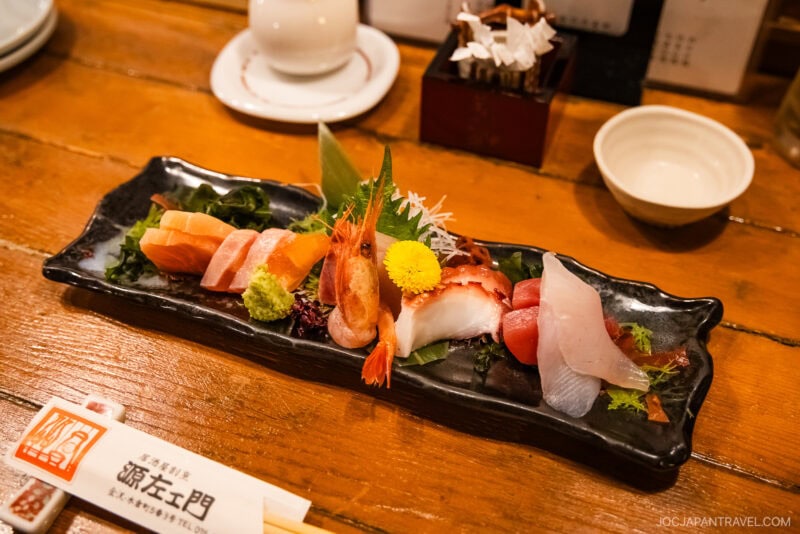
Perched along the Sea of Japan, Kanazawa is known for its rich cultural heritage, beautiful landscapes, and exceptional cuisine. The city’s food scene rivals its historical charm, offering everything from ultra-fresh seafood to gold-adorned sweets and regional specialties like Noto Beef.
Here are nine must-try Kanazawa dishes that will make your trip deliciously memorable.
Planning a visit? Check out our Kanazawa guide and Kanazawa Cherry Blossom Guide to help you plan the perfect trip.
1. Gold Leaf (金箔 / Kinpaku)
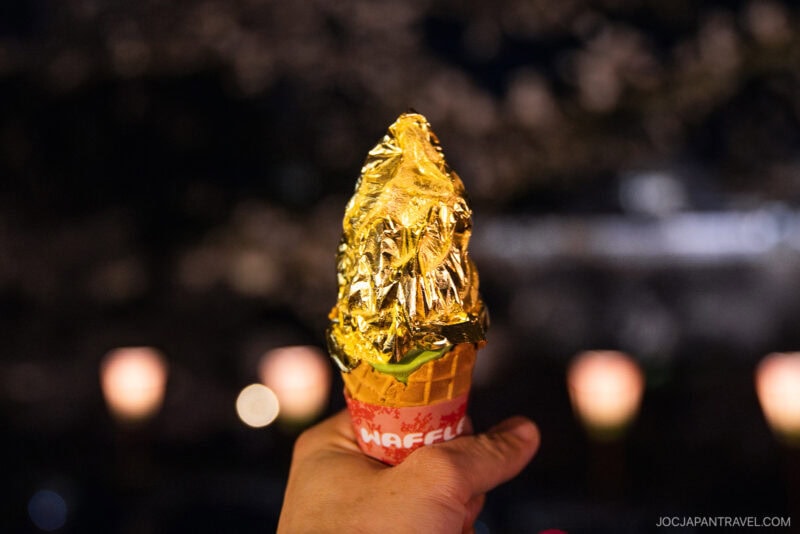
One of Kanazawa’s proudest symbols is gold leaf, used to decorate everything from crafts to confectionery—and even soft serve ice cream!
Why is Kanazawa so famous for gold leaf? The answer lies in its unique climate.
Facing the Sea of Japan, Ishikawa Prefecture enjoys high humidity (over 70% year-round), ideal for producing gold leaf that’s sensitive to static electricity. Combined with centuries of craftsmanship, this made Kanazawa Japan’s top gold-leaf producer, accounting for 99% of the nation’s supply and adorning landmarks like Kyoto’s Kinkaku-ji.
Try it: Visit specialty shops where you can experience gold leaf art or enjoy a treat like gold leaf ice cream at Horaido Café near Kenrokuen Garden, one of Japan’s three great landscape gardens. Pair it with earthy matcha and enjoy under the nighttime sakura. It doesn’t get more luxurious than that!
2. Snow Crab (ズワイガニ / Zuwai-gani)
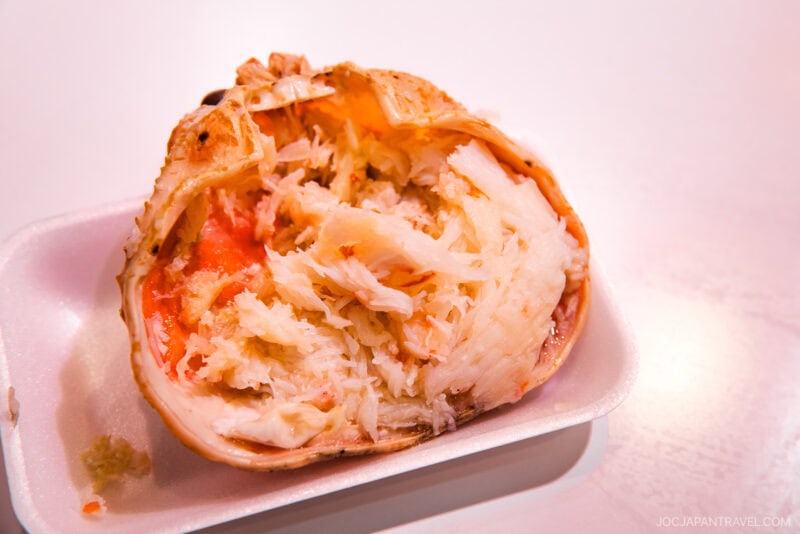
For over 300 years, Omicho Market has been Kanazawa’s bustling heart of fresh seafood. With over 200 stalls selling everything from oysters to sashimi, it’s a must-visit for food lovers.
In winter, the market’s stars are buri (yellowtail), amaebi (sweet shrimp), and especially snow crab. Even during spring, I was lucky to find a vendor serving freshly boiled crab. Its sweetness perfectly balanced with a touch of ocean salt. The texture was soft yet meaty, and the homemade ponzu added a refreshing tang.
🥢 Tip: Enjoy snow crab on its own or at a kaitenzushi (conveyor belt sushi) spot for small bites alongside Kanazawa’s other seasonal seafood.
3. Nodoguro (Blackthroat Seaperch)

Another must-try from the Sea of Japan is nodoguro, a prized fish with tender white flesh and rich, buttery fat that melts on your tongue.
At Itaru, a popular local restaurant, try nodoguromeshi—a Kanazawa-style hitsumabushi featuring seared nodoguro atop rice cooked in a small iron pot.
How to enjoy Nodoguro Hitsumabushi
- Divide into quarters. Eat the first portion as is to savor the fish’s natural flavor.
- Add negi (green onion), wasabi, and nori for the second.
- Pour in dashi broth for a soothing ochazuke (rice soup).
- Enjoy the final portion however you like.
Each bite is a harmony of smoky, savory, and umami flavors! We can never have enough of it.
4. Kanazawa Curry (金沢カレー)
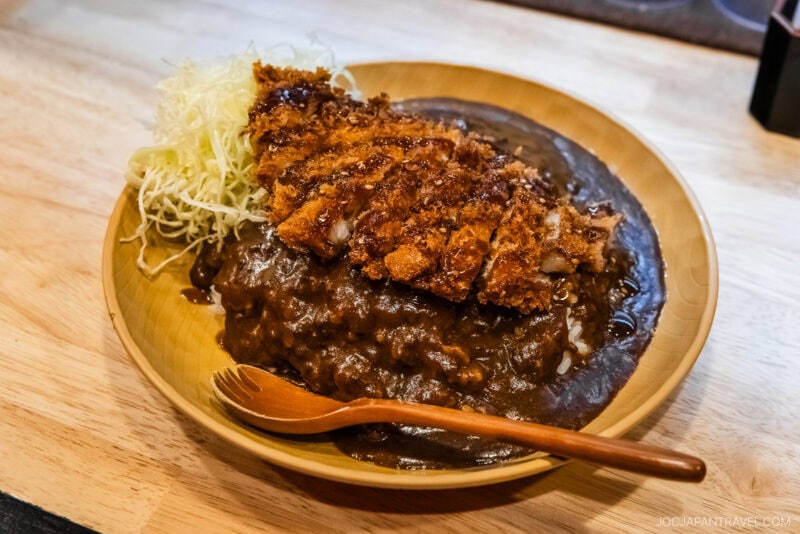
One dish that has recently become popular is Kanazawa Curry. Originating in 1955, it was created by Yoshikazu Tanaka, founder of Champion Curry, who gave the dish its signature thick, dark, and deeply flavorful sauce.
This hearty curry is served with shredded cabbage and crispy tonkatsu (pork cutlet), which results in a satisfying combination of bold, spicy, and savory notes.
🍛 Where to try: Champion Curry has several locations, but if the lines are long, visit Kanazawa Curry Laboratory in Omicho Market. Served in a wooden bowl instead of the traditional steel plate, you can choose from toppings like karaage, ebi fry, or tonkatsu.
The curry’s rich flavor, crispy cutlet, and refreshing cabbage make it impossible to stop at just one bite.
5. Noto Beef (能登牛 / Noto-gyu)
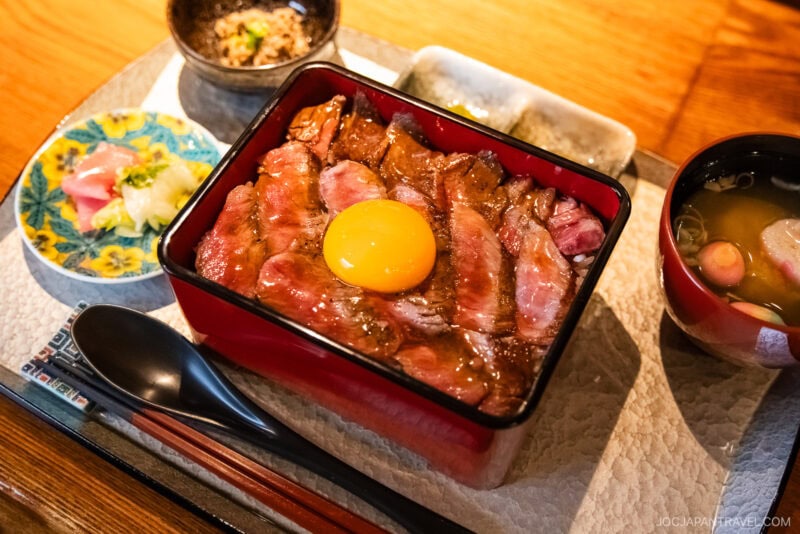
Noto Beef is Ishikawa’s premium wagyu, celebrated for its tenderness, fine marbling, and delicate sweetness from its high oleic acid content. It even earned top honors at Japan’s 9th National Wagyu Beef Competition.
Because of its limited supply, it’s often called the “Phantom Wagyu.”
Try it at: Ushijyu Teraoka, where I enjoyed perfectly seared slices of Noto Beef served over warm rice with a rich housemade sauce. The golden egg yolk on top added just the right amount of creaminess and made every bite feel truly luxurious.
6. Kanazawa Oden (金沢おでん)
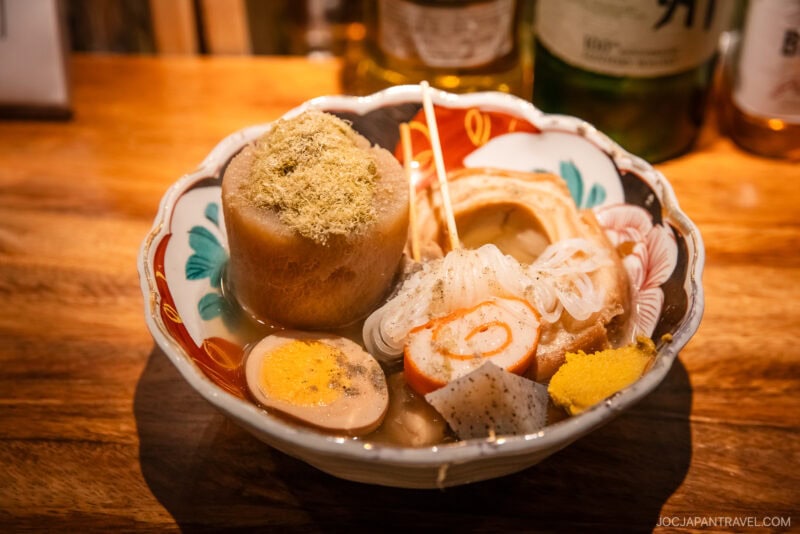
Of all the dishes I tried in the city, Kanazawa Oden stood out the most. While oden is popular across Japan, Kanazawa’s version is defined by a delicate dashi broth made with kombu, bonito flakes, and dried sardines, often enhanced with local Ono soy sauce.
Unique local ingredients make it special—such as akamaki, a red-and-white fish cake; kurumafu, a ring-shaped wheat gluten that soaks up broth beautifully; and crab noodles made with hairy crab roe and meat.
Where to eat oden in Kanazawa
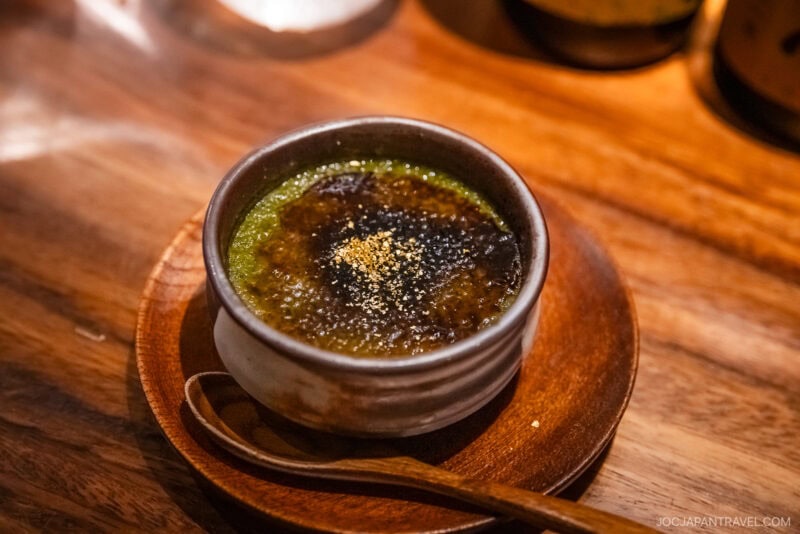
Restaurant Miyuki is often considered Kanazawa’s oden institution, but it was temporarily closed during my visit. Instead, I stumbled upon a cozy little izakaya called Bancho-san, tucked away on a narrow side street. Their oden turned out to be extraordinary. The broth was rich yet balanced, infusing each ingredient with deep, comforting flavor.
The friendly staff even introduced me to a gin from the Noto Peninsula. And I finished my meal with a silky matcha crème brûlée topped with gold leaf, a lovely Kanazawa detail that tied the whole experience together.
7. Hanton Rice

Kanazawa’s soul food, Hanton Rice, originated in the late 1960s, created by a Tokyo-trained chef inspired by Hungarian cuisine. The original dish featured rice seasoned with paprika and butter, topped with fried tuna. The name “Hanton” comes from a combination of the Hungarian word han and the French word ton for tuna. It was designed as a convenient, one-plate meal for busy employees.
To suit Japanese tastes, the chef swapped the tuna for deep-fried shrimp, adding tartar sauce and ketchup. Grill Otsuka is the go-to spot in Kanazawa for Hanton Rice, with its retro atmosphere and often long lines.
The dish is similar in some ways to omurice. It’s a great option when you crave hearty, Western-style flavors. Large portions are filling, calorie-dense, and, most importantly, incredibly tasty.
Jibuni
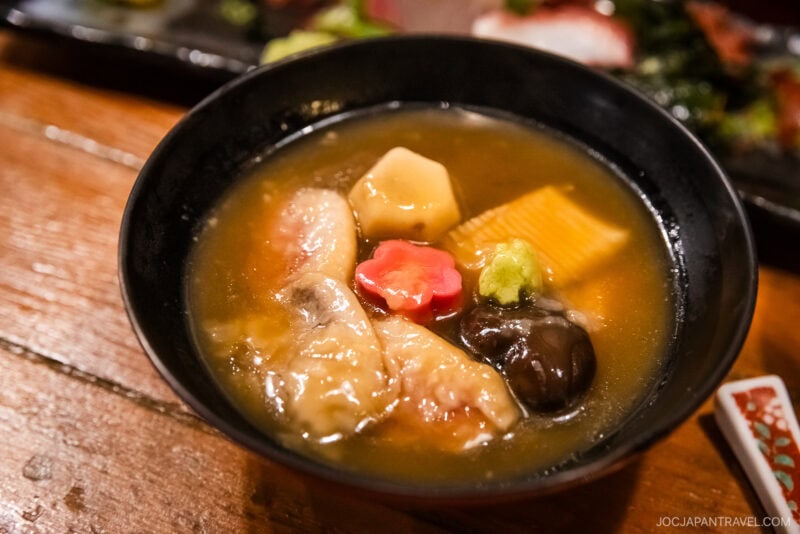
For a taste of Kanazawa’s history, try Jibuni, a simmered dish of duck or chicken with seasonal vegetables. The meat is lightly coated in flour and simmered in a stock made of dashi, mirin, sake, soy sauce, and sugar until tender. The flour thickens the stock, seals in flavor, and creates a soft, luscious texture.
Jibuni is believed to have been enjoyed by samurai since the Edo period. Its origins are debated: some credit Okabe Jibuemon, Toyotomi Hideyoshi’s food service officer, who introduced it from Korea. While others say the name comes from the onomatopoeic word jibu jibu, mimicking the sound of simmering.
Because Jibuni is a smaller dish, visiting an izakaya allows you to try other classic Japanese foods alongside it. I went to Gen-zae-mon, a popular spot in the city center. The Jibuni was rich, thick, and full of flavor. The duck was tender, and complemented by the crunch of taro, bamboo shoot, and shiitake mushrooms. I couldn’t resist adding a plate of fresh sashimi and a bowl of rice to complete the meal.
Hachiban Ramen

Last but certainly not least is Hachiban Ramen, one of Kanazawa’s most popular comfort foods.
The shop opened on February 11, 1967, in the middle of a rice field along National Route 8 in Kaga City. The name Hachiban (number eight) is symbolic: turned sideways, it resembles the infinity symbol (∞), reflecting the hope that customers would want to return again and again.
Its signature ramen, topped with stir-fried vegetables, quickly became a hit, selling as many as 1,300 bowls a day. Thick, curly noodles cling to the flavorful broth, and a kamaboko featuring the number eight completes the dish.
A Kanazawa local told me, “If we want a delicious bowl of ramen, we don’t go to Hachiban. We only go when we crave it. It’s a whole dish in itself.” That perfectly captures the charm of Hachiban Ramen. It may not be the fanciest bowl you’ll ever have, but it’s comforting, satisfying, and uniquely Kanazawa.
Tasting the Heart of Kanazawa
While I initially visited Kanazawa for its rich history and famous landmarks, it was the food that stole the show for me! Each dish was as good as the last, and I can’t wait to go back!
Have you tried any of these Kanazawa dishes, or do you have a favorite local specialty to recommend? I’d love to hear your thoughts in the comments below!
More to Explore Nearby
Kanazawa is rightly famed for its exquisite cuisine, driven by the fresh seafood from the Sea of Japan and the city’s unique cultural heritage. Once you’ve sampled the local delights—from gold leaf ice cream to high-quality sushi—the surrounding area offers spectacular sights, history, and shopping.
- Omicho Market – Located centrally, this is Kanazawa’s bustling public market, often called the city’s kitchen. It’s the perfect place to see and sample the incredibly fresh seafood and local produce that defines the region.
- Kenroku-en Garden – Visit one of Japan’s Three Great Gardens. Its proximity to the city center and its exquisite design make it an essential, peaceful contrast to the bustling market and dining areas.
- Higashi Chaya District – Explore one of Kanazawa’s most beautiful and preserved geisha districts, lined with traditional wooden ochaya (teahouses), offering traditional tea and gold leaf experiences.
- Kaga Onsen Village – Journey south to the nearby Kaga region to find four distinct hot spring towns (Yamashiro, Yamanaka, Katayamazu, Awazu) where you can relax in traditional therapeutic waters after a meal.

All of these sound so amazing! I’m goin to Kanazawa in late November and I’m excited to add these to my list. Especially looking forward to the oden and seafood!
Hi Mary,
Kanazawa’s seafood is amazing! The selection is quite different from Tokyo, and it’s one of our favorite cities to visit. You’ll have such a great time there. Just be sure to check the weather beforehand, as that side of Japan can get pretty cold.