
This post may contain affiliate links. Please read our disclosure policy.
In this sliver of Tokyo nightlife, every turn reveals a tucked-away bar, a slice of the past, and a story waiting to be told.
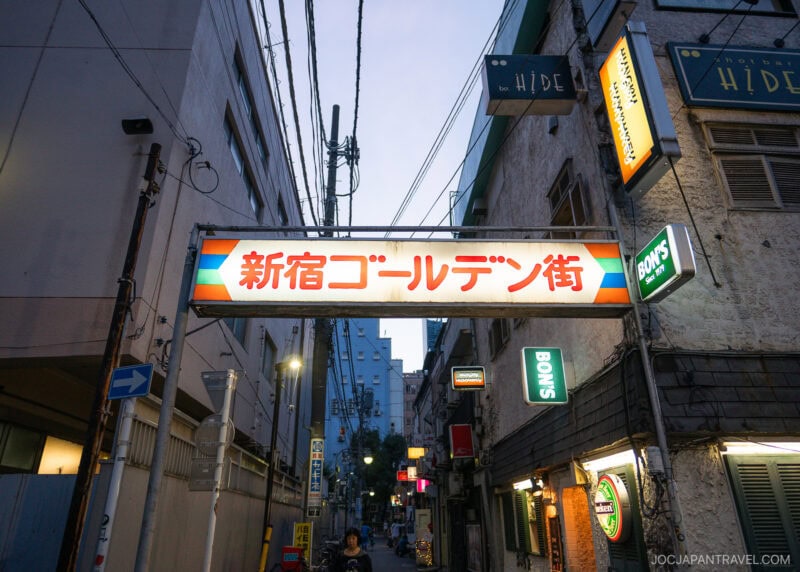
What Makes Golden Gai Special?
Golden Gai is unlike any other bar district in Tokyo. Tucked into a quiet corner of Kabukicho, this maze of narrow alleys is packed with over 200 tiny bars, some no bigger than a bedroom. Most buildings are just two stories tall, with a single bar per floor.
Each bar has its own identity. Some are jazz dens with shelves of vinyl, while others are filled with Ghibli memorabilia or punk rock posters. Some welcome tourists, and others are for locals only.
A Night Out in Golden Gai
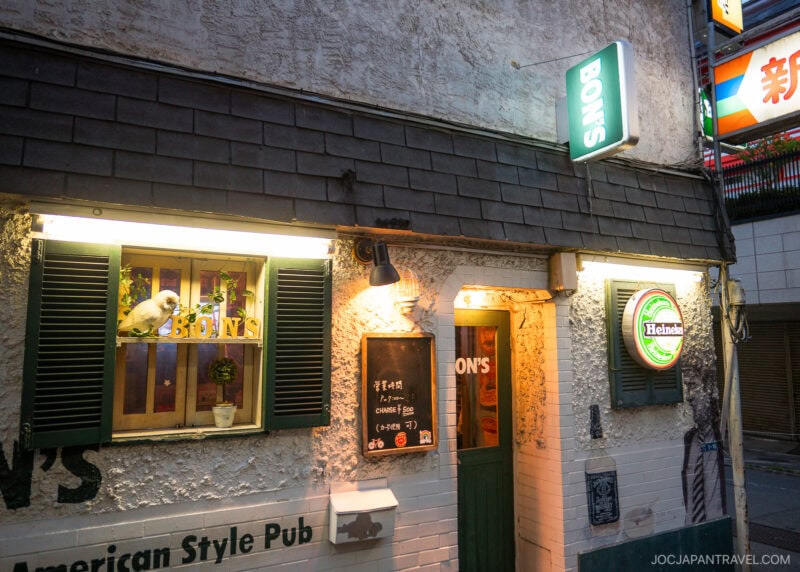
Golden Gai got its start in the post-war black market era. The neighborhood still holds on to that retro feel, with low-rise buildings, glowing lanterns, and weathered signs.
Once the sun goes down, the alleys come alive. Inside, you’ll find intimate bars that fit five to ten people at most. It’s easy to converse with locals, travelers, and the bartenders who are often the owners.
Some bars focus on craft cocktails, others serve whiskey or shochu.
What to Know Before You Go
Bring Cash
Most bars are cash-only. There are ATMs in 7-Elevens, but it’s easier to have yen on hand.
Look for Signs
Bars that welcome tourists usually display English signs. If you see “members only” or “no tourists,” don’t worry, just try the next door.
Go Early If You’re Unsure
If it’s your first time or you’re going alone, arriving around 7 or 8 PM can feel more relaxed.
Try Local Drinks
Ask the bartender for recommendations.
Can You Visit Golden Gai With Kids?
Golden Gai is not a family hangout spot and it’s really meant for adults. That said, we once visited early in the evening just to walk through with our kids. The bars hadn’t opened yet, and it was quiet but interesting.
Where to Eat Nearby
Before diving into drinks, stop by Omoide Yokocho (思い出横丁) just a few minutes away. This alley is known for its yakitori and izakaya-style eats. The retro vibe there pairs well with a night out in Golden Gai.
How to Get to Shinjuku Golden Gai
Train
- From JR Shinjuku Station, take the East Exit and walk about 5–7 minutes. Golden Gai is just past Hanazono Shrine in the Kabukicho area.
- From Shinjuku-Sanchome Station (Tokyo Metro), use Exit E1. It’s about a 3-minute walk.
- Total travel time: 5–10 minutes from either station.
Pro Tip: Hanazono Shrine is a good landmark to guide your way. It’s located just at the entrance to Golden Gai.
Our Take on Golden Gai
Golden Gai captures a side of Tokyo that’s gritty, charming, and completely unforgettable. If you’re ready to trade the big city lights for tiny bars and friendly strangers, this is your spot. Just bring yen, a sense of adventure, and see where the night takes you.
More to Explore Nearby
After soaking in the retro vibes and tiny bars of Golden Gai, round out your night (or next day) with these eclectic, nearby stops around Shinjuku.
- Zauo Shinjuku Restaurant – Reel in your own dinner at this fishing-themed restaurant, where you can catch your fish and have it cooked to order.
- Shinjuku Memory Lane – A lantern-lit alley packed with yakitori grills and nostalgic postwar charm, just steps from Shinjuku Station.
- Tokyo Metropolitan Government Building Observation Decks – Visit by day or night for free panoramic views of the city skyline and (on clear days) Mount Fuji.
- Shibuya Center Gai – Hop a few stops on the Yamanote Line to explore Shibuya’s youthful shopping street lined with cafes, sneaker shops, and late-night eats.