This post may contain affiliate links. Please read our disclosure policy.
From million-year-old fossils and historic coal mines to the thrill of ice fishing on a frozen lake and carving through fresh powder on the slopes, Mikasa is a city that played a key role in shaping Hokkaido’s history.
I’ve been living in Hokkaido for nearly five years, yet there’s still so much left to explore. Recently, I was lucky enough to be invited and shown around Mikasa City, a hidden gem nestled between Furano and Sapporo—just an hour’s journey from either.
Once a bustling coal-producing hub, Mikasa was one of Hokkaido’s most thriving cities, but today, it remains relatively unknown to many, myself included. However, this charming city offers a wealth of experiences, from ice fishing on a frozen lake and thrilling winter sports to exploring its rich history through scenic treks. Whether you’re seeking adventure or a deeper connection to Hokkaido’s past, Mikasa’s prime location makes it an excellent stopover when traveling to Furano or Asahikawa.
Things to Do in Mikasa City
Mikasa City Museum
To understand Mikasa’s story, start at the Mikasa City Museum. As one of six designated geoparks in Hokkaido, it tells the tale of how the city took root after the discovery of coal—once called “burning stone”—in 1868.
The Horonai Coal Mine, which began operations in 1879, led to a booming economy and population growth. By the 1950s, Mikasa had over 60,000 residents, but when the coal mines closed, the population declined to around 10,000 today.
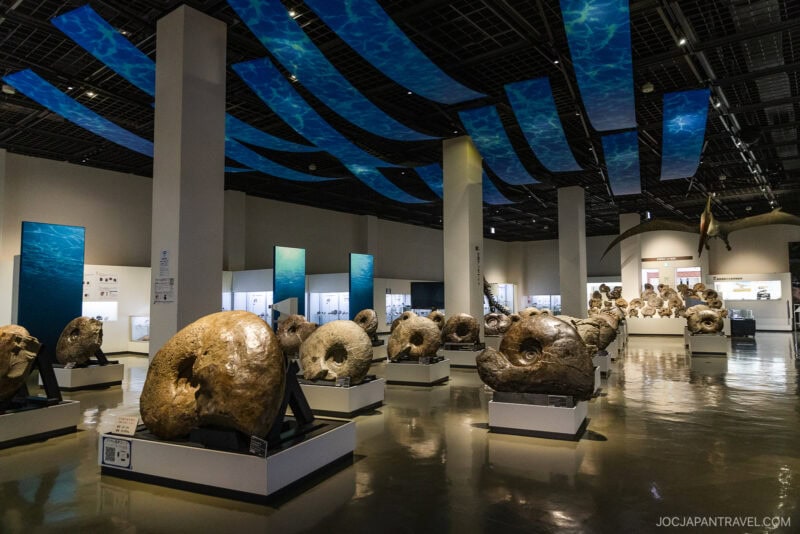
My favorite part of the museum was the fossil room. It houses an extraordinary collection of over 1,000 fossils, including ammonites, inoceramus (bivalve shells), and marine reptiles—some over 100 million years old. These fossils were unearthed across central Hokkaido, from north to south.
The centerpiece of the exhibit is a striking display of ammonites, their spirals ranging from 50 cm to 130 cm in diameter. Among the most remarkable pieces is the fossilized skull of a newly identified Mosasaurus species found in Mikasa. Designated a national natural monument, it’s considered one of the best-preserved Mosasaurus skulls in Japan.
Ice Fishing on Lake Katsurazawa
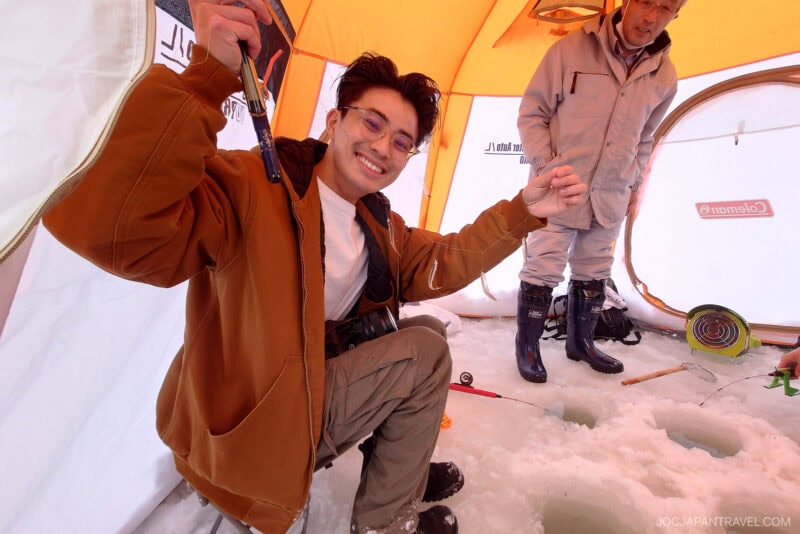
A quintessential winter experience in Hokkaido is ice fishing, known as wakasagitsuri (ワカサギ釣り). Located on the eastern side of the city, Lake Katsurazawa transforms into a sparkling frozen landscape during winter, perfect for catching wakasagi (Japanese smelt).
Everything is provided—rods, bait, and heated shelters, so all you need is warm clothing. Friendly instructors guide you through the process, from setting up your line to reeling in your first catch.
I’ve tried ice fishing several times before, usually catching only a few fish. But this time, I managed to pull in about 30 wakasagi in just 20 minutes. By far my best result! Whether it was pure luck or Mikasa’s magic, it was an unforgettable experience I’d recommend to anyone.
Tip: Visiting in summer? Try stand-up paddleboarding (SUP) on the lake’s crystal-clear waters!
Winter Sports at Katsurazawa Ski Area
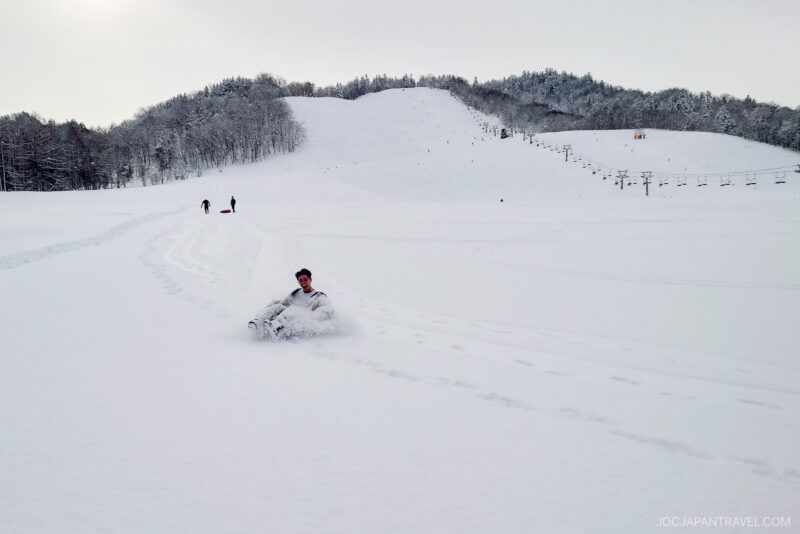
If you’re eager to hit the slopes, Katsurazawa Ski Area is a fantastic spot. Though it has just one lift, its terrain is ideal for beginners and intermediate skiers or snowboarders.
- Middle slope: 9-degree gradient
- Upper slope: 30-degree gradient
- Rental gear available
- Weekdays: No long lines, perfect for practice
In summer, the area transforms into a popular camping destination. For families or non-skiers, snow tubing and banana boat rides are also available on weekends.
After skiing, warm up at the onsite café, where you can enjoy Japanese comfort food like curry, ramen, and tonkatsu.
Dine at a Historic 100-Year-Old Restaurant
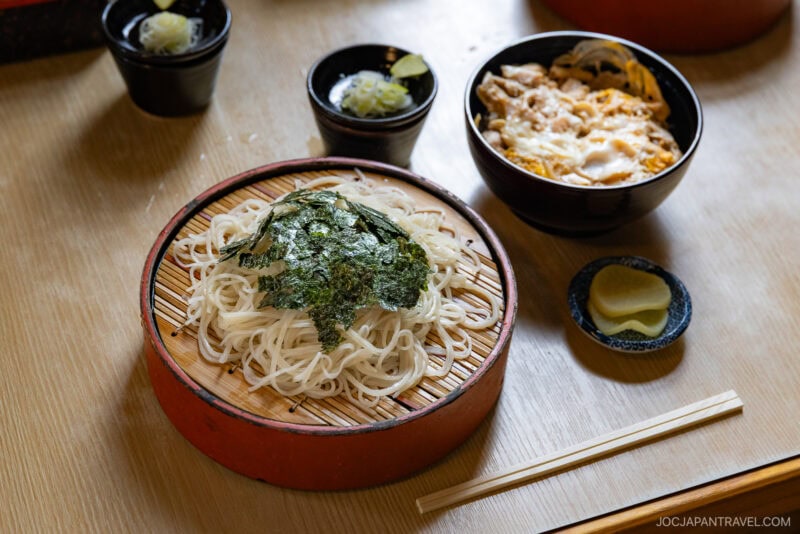
For a taste of local history, visit Sarashina Shokudo (更科食堂), located just outside the city center. Once part of a bustling entertainment district filled with over 100 shops, restaurants, and bars, this humble eatery is the only one that has survived two fires and has been serving customers for more than a century.
The interior exudes a nostalgic Showa-era charm. The restaurant specializes in sarashina soba—delicate white buckwheat noodles made from the heart of the grain. This gives the soba a smooth texture and refined flavor. The dipping sauce, rich with umami and a hint of sweetness, paired perfectly.
Locals often order zarusoba (cold soba noodles) alongside a donburi (rice bowl). I followed their lead and tried the ezoshikadon (venison rice bowl), a flavorful dish featuring one of Hokkaido’s signature ingredients.
Snowshoeing at Ponbetsu Coal Mine
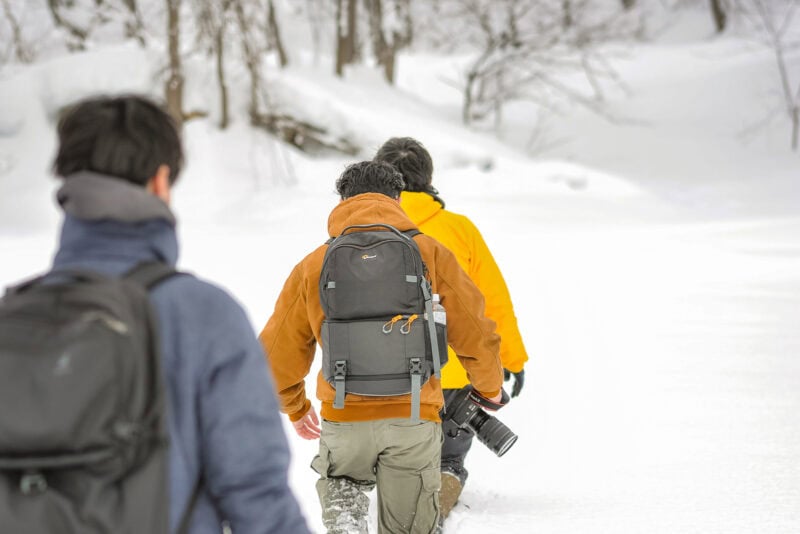
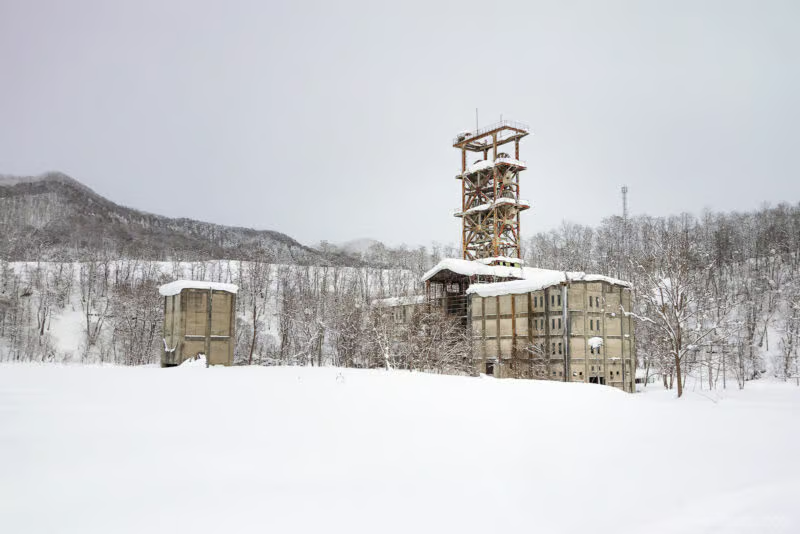
Another way to delve into Mikasa’s industrial past is by joining a snowshoeing tour around the Former Ponbetsu Coal Mine Headframe. A Japanese-speaking guide (English guide available) provides snowshoes and leads you through the site while sharing its fascinating history.
The highlight of the tour is the headframe, which once held a lift that carried miners deep underground. The mine shaft stretches over 700 meters—taller than Tokyo Skytree!
What astonished me was the open-air lift system: four stacked cages, each holding two miners, descending at 43 km/h. That’s even faster than Tokyo Skytree’s modern elevators!
Walking among the abandoned buildings, I was struck by their quiet, almost solemn beauty. Time and heavy snowfall had taken their toll. Rust crept along the edges, roofs had caved in, and the once-thriving site now stood in eerie silence. Yet, despite their decay, these structures still echo Mikasa’s history, providing a glimpse into the lives of those who once worked here.
Visit Hokkaido’s First Michi-no-Eki
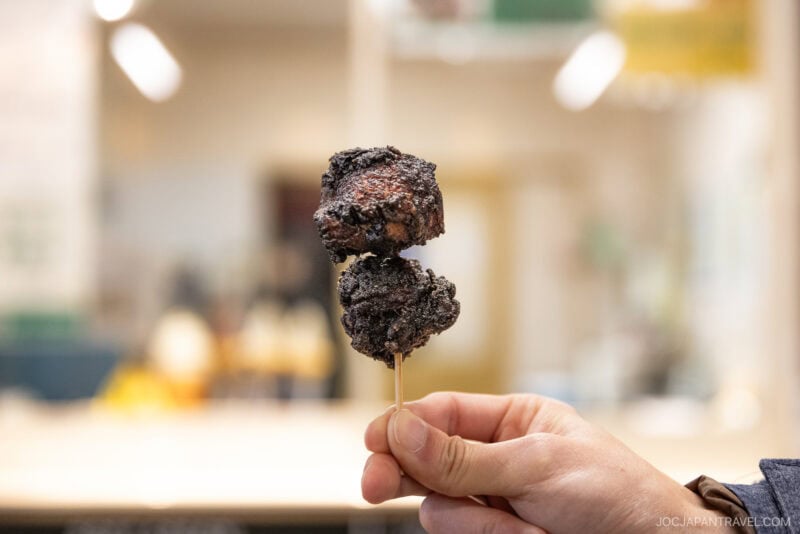
Whenever I travel, I always make a point to visit the local Michi-no-Eki, or roadside stations. Mikasa proudly holds the distinction of being home to Hokkaido’s very first Michi-no-Eki. Here, you’ll find a variety of local specialties, including locally produced wines, unique souvenirs, and handcrafted trinkets.
The adjacent building features a diverse selection of restaurants, offering everything from pizza to yakitori. I tried charcoal-fried chicken, one of Mikasa’s signature dishes inspired by its coal-mining heritage. Marinated with locally grown garlic and onions, then dusted with charcoal powder, the chicken had a deep, savory flavor and striking blackened color.
Next to the Michi-no-Eki is Taiko no Yu, an onsen facility with multiple indoor and outdoor baths and a business hotel for those who wish to stay the night.
How to Get to Mikasa City
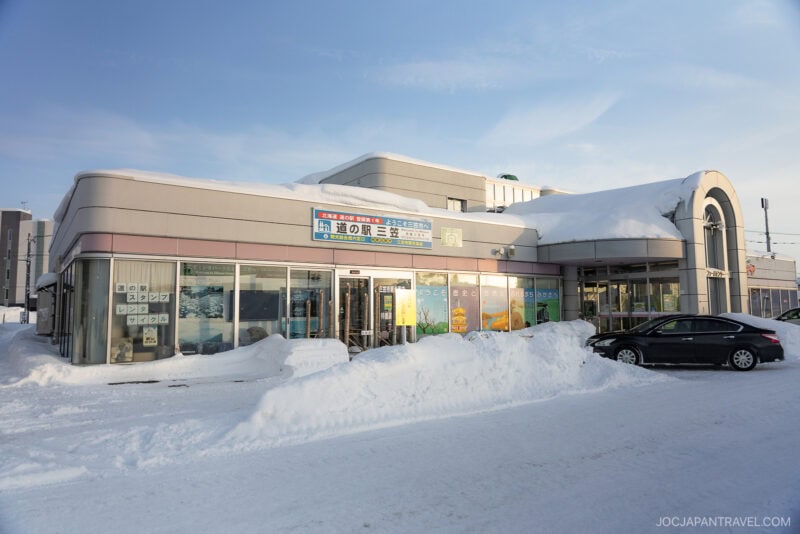
The best way to explore Mikasa is by car, as some attractions are spread out. You can rent a car in Sapporo and reach Mikasa in about an hour or rent one from Iwamizawa Station for a shorter trip.
By Train:
From Sapporo Station, take the Hakodate Line Local to Iwamizawa Station (about 40 minutes, 970 yen).
By Bus:
From Iwamizawa Station, take the #22 bus to Ikushumbetsucho (50 minutes, 710 yen). This stop is within walking distance of the city museum and the snowshoeing area.
Opening Hours and Entrance Fees
Mikasa City Museum
- Hours: 9:00 am to 5:00 pm
- Closed – Every Monday (If Monday is a national holiday, the museum is open Monday and closed the following Tuesday), December 30th to January 4th
Entrance Fee
- Adults – 450 yen
- Children – 150 yen
Sarashina Shokudo
- Hours: 11:00 am to 3:00 pm
- Closed – Mondays and Tuesdays
Michi-no-eki (Information Center)
- Hours: 9:00 am to 5:00 pm
- Closed – Mondays (*Opening and closing times vary between shops and restaurants)
- Entrance Fee: None
More to Explore Nearby
Mikasa City’s location in the Sorachi region makes it an ideal stop for those exploring Hokkaido’s central area, providing easy access to major cities, famous canals, and spectacular seasonal flower fields.
- Sapporo City – Head to the major regional hub of Hokkaido to explore its vibrant downtown, famous beer gardens, and seasonal events like the renowned Snow Festival.
- Otaru Canal Area – Visit this beautiful port city, known for its preserved historical buildings, iconic gas lamps, and delicious seafood restaurants lining the picturesque canal.
- Furano and Biei – Drive east to witness the stunning seasonal beauty of vast, colorful flower fields and gentle rolling hills that define the agricultural landscape of central Hokkaido.
- Asahikawa Ramen Village – Journey north to the second-largest city in Hokkaido to sample the city’s famous soy-sauce-based ramen at eight different specialized shops housed in one convenient location.
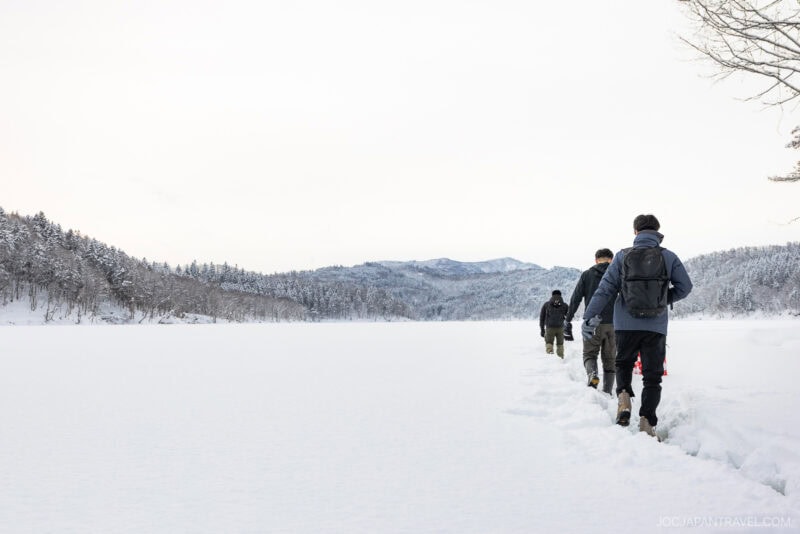
Mikasa City may not be on every traveler’s radar, but its unique mix of history, outdoor activities, and incredible food make it a must-visit hidden gem in Hokkaido.
Would you explore Mikasa City on your next trip to Hokkaido? Let me know in the comments!