This post may contain affiliate links. Please read our disclosure policy.
On Miyajima Island, Itsukushima Shrine invites you into a realm of quiet reverence, framed by the timeless beauty of its floating torii gate.
A Shrine Built Above Water
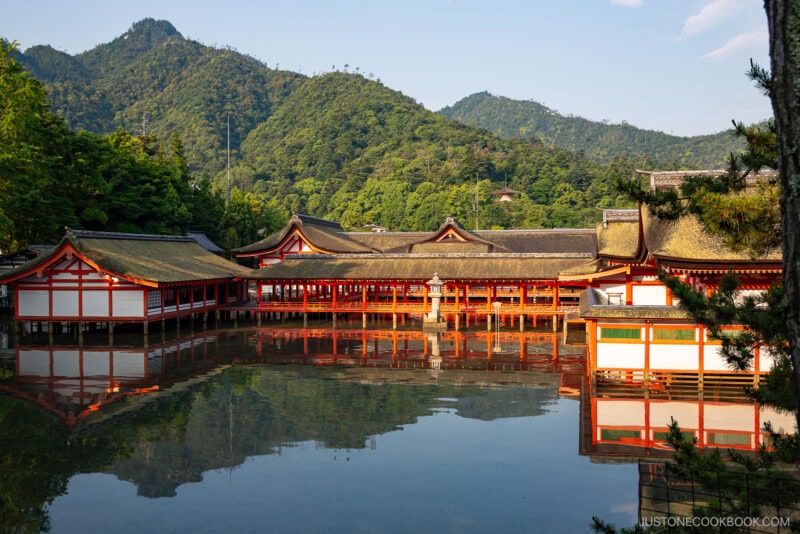
Visiting Itsukushima Shrine had long been a dream for our family, and seeing it in person was every bit as magical as we imagined. Perched above the waters of Hiroshima Prefecture’s Miyajima Island, this centuries-old Shinto shrine is renowned for its striking torii gate, which appears to float gracefully during high tide.
We arrived in the afternoon, just as the tide was in. The sight of the vivid red gate rising from the shimmering water felt almost unreal—like something from a painting. Instead of heading straight inside, we decided to wait until the following day to visit the shrine itself, allowing us to experience it fully in the clear light of day.
A Sacred Site With Centuries of History
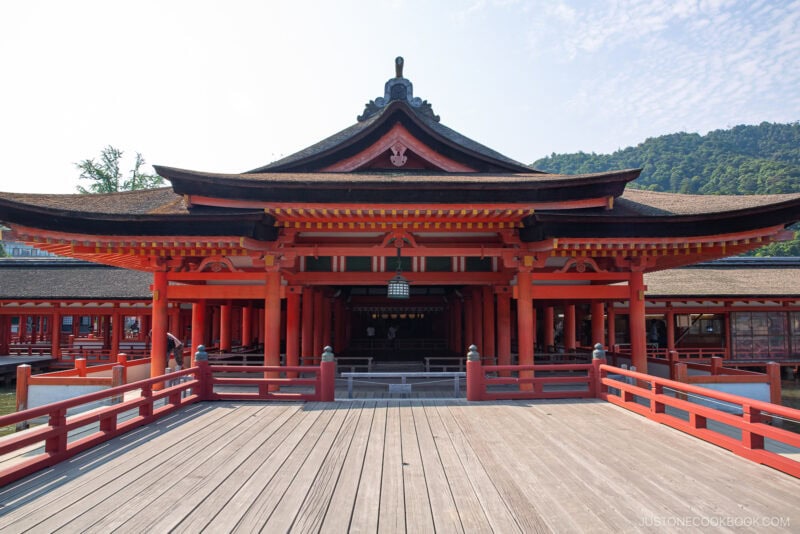
Itsukushima Shrine has been a place of worship for over 1,400 years. Originally built in 593 by Saeki Kuramoto and later expanded by the powerful Taira no Kiyomori in 1168, the shrine was carefully designed to honor the gods of the sea without disturbing the sacred island itself. That’s why much of the structure stands on stilts over the water, allowing pilgrims to visit while preserving the purity of the land.
The shrine is dedicated to the three Munakata goddesses, protectors of the sea and travel. It felt like stepping into a world where nature and spirit meet.
The Floating Torii Gate Up Close
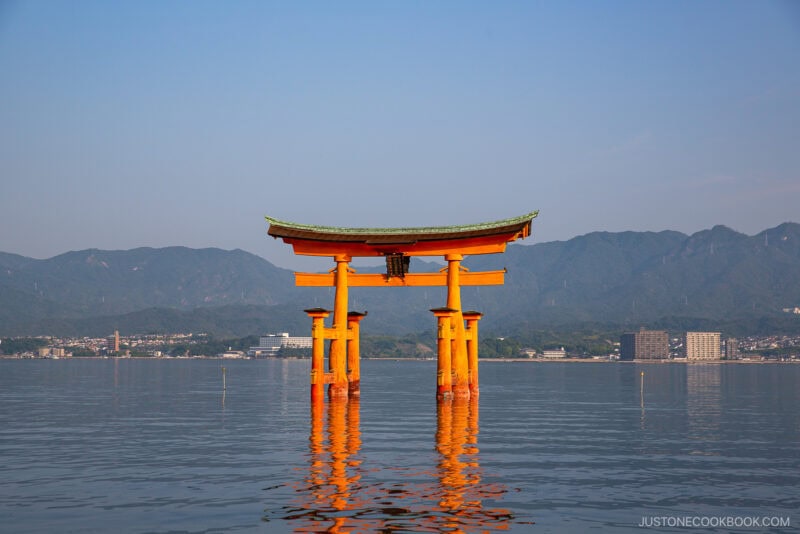
Of course, the shrine’s most iconic feature is the massive vermilion torii gate that appears to float on the sea. At high tide, the reflection of the gate in the water makes for postcard-perfect views. At low tide, visitors can walk right up to the base of the gate and see the barnacles clinging to its wooden pillars.
We stayed on the island long enough to enjoy both views, and even visited at night to see the gate illuminated. The soft glow of the lights over the dark bay was absolutely breathtaking. For an extra adventure, you can also take a boat ride that passes directly beneath the gate.
How to Get to Itsukushima Shrine
Train
- Take the JR Sanyo Line from Hiroshima Station to Miyajimaguchi Station (about 30 minutes). Walk 5 minutes to the Miyajima Ferry Terminal, then take the JR Ferry to Miyajima Island (10 minutes).
- Total travel time: 45 minutes.
Pro Tip: Try to visit during high tide for the classic “floating” view of the torii gate. Evening visits are also stunning when the gate is lit up.
Why You Should Visit Itsukushima Shrine
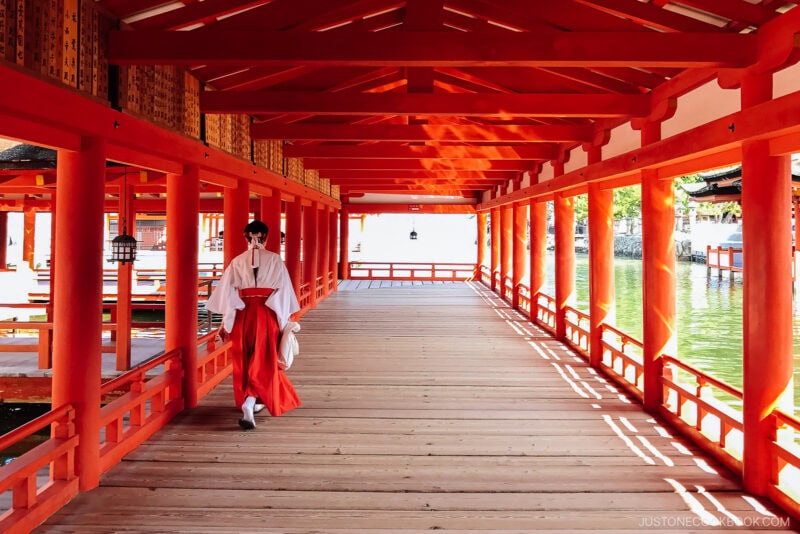
Itsukushima Shrine is truly one of Japan’s most iconic sights. The way it seemingly floats between the sea and mountains creates a magical experience you won’t forget. Walking through the shrine, surrounded by water at high tide, feels like stepping into another world.
Whether you’re just stopping by for a day or staying overnight on Miyajima Island, make sure you carve out time to soak in this UNESCO World Heritage treasure. It’s a moment that stays with you long after you leave.
More to Explore Nearby
After admiring the iconic floating torii gate and walking through Itsukushima Shrine, take time to explore the rest of this sacred island:
- Mount Misen – Hike or take the ropeway to the summit for panoramic views and ancient temple sites.
- Miyajima Grand Hotel Arimoto – A luxurious ryokan stay just steps from the shrine, offering traditional hospitality and fine dining.