This post may contain affiliate links. Please read our disclosure policy.
Fuefuki City in Yamanashi Prefecture is known for its hot springs, peach orchards, and hearty Hoto noodles, making it an inviting base for exploring Japan’s countryside.
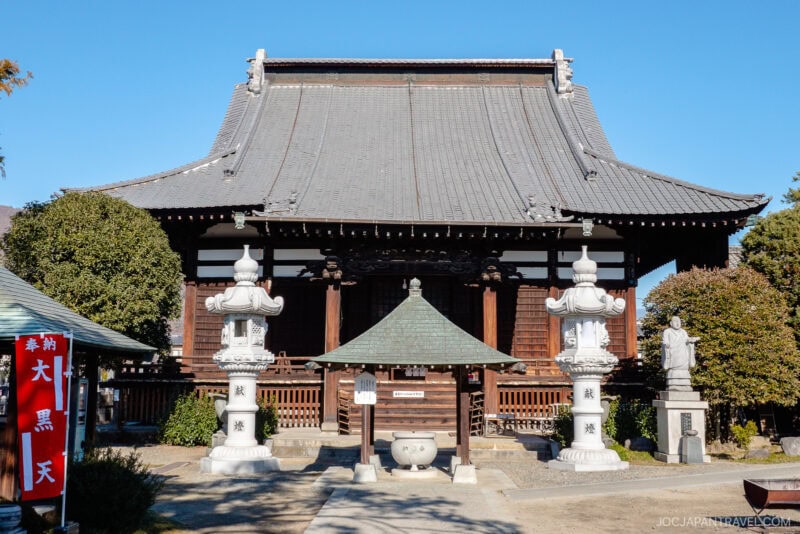
Why Visit Fuefuki City?
Fuefuki may not have the instant name recognition of Mt. Fuji or Lake Kawaguchi, but what you’ll find here is a slower pace of life and a genuinely warm welcome. Centered around Isawa-Onsen Station, the town is compact, easy to explore on foot, and full of little local discoveries that make you feel at home.
Here are some of the reasons we enjoy using Fuefuki as a travel base:
- Walkable town: The flat streets around Isawa-Onsen Station are easy to explore without a car.
- Onsen culture: Fuefuki has a long tradition of hot spring bathing, with plenty of ryokan to choose from.
- Regional food: Don’t leave without trying Yamanashi’s hearty Hoto noodles. So satisfying after a day outdoors.
- Countryside charm: Temples, shrines, and orchards make it a relaxing place to unwind.
Exploring Temples and Shrines
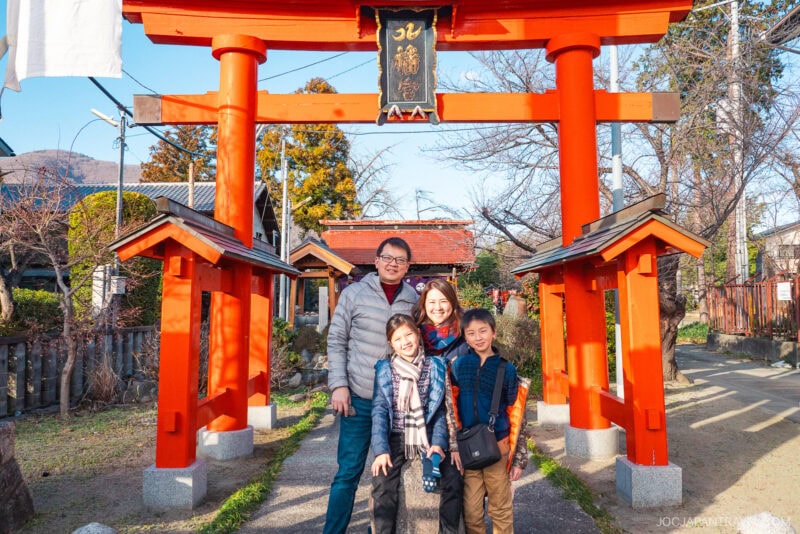
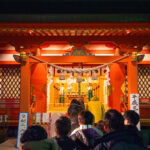
The city’s temples may be small, but they offer a sense of quiet and tradition.
- Ukaiyama Onmyo Temple: A modest temple where locals come to pray.
- Isawa Hachimangu Shrine: A friendly community shrine worth a short stop.
We enjoyed wandering here early in the morning, when the streets were quiet and the air was cool.
Must-Try Dish: Hoto Noodles
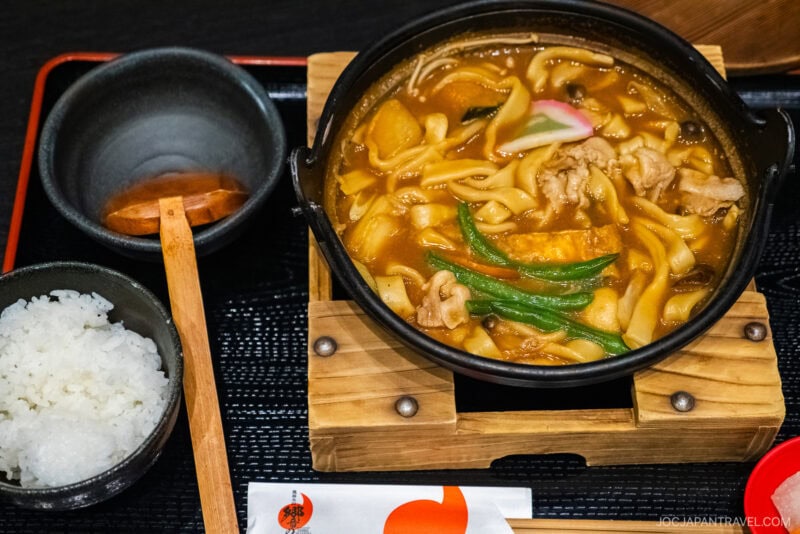
Hoto (ほうとう) is a regional specialty you won’t often come across outside Yamanashi. The thick, flat noodles are simmered in a miso-based broth along with pumpkin, mushrooms, and seasonal vegetables. After stepping out of the onsen, a steaming bowl of Hoto is exactly the kind of meal that warms you from the inside out.
Staying at Kutsuroginotei Kunitachi (くつろぎの邸 くにたち)
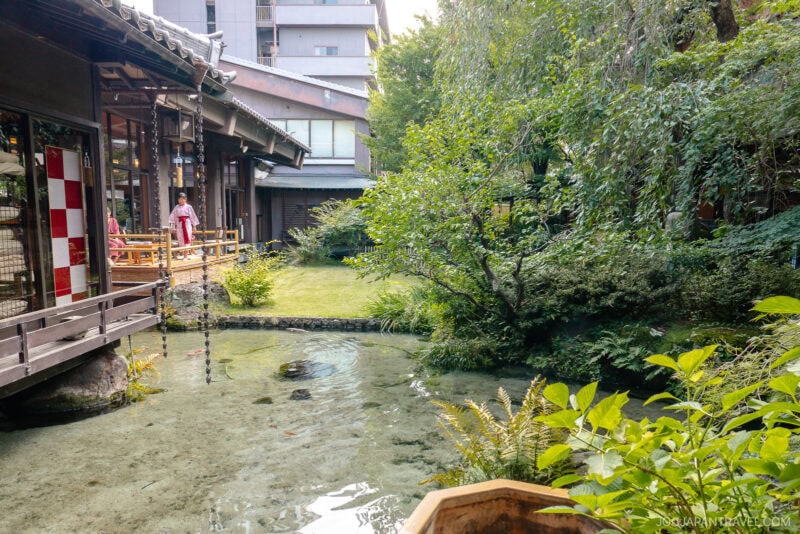
We’ve stayed in multiple ryokan in Fuefuki City and one of our favorites is Hotel Kunitachi, a boutique ryokan on Sakura Hot Spring Street. With just 19 rooms, it felt more personal than the larger resorts.
What We Loved
- Tatami rooms: Traditional layouts that immediately set a calming tone.
- Family-friendly touches: Complimentary shaved ice in summer and sparklers for kids in the evening.
- Garden setting: Small koi ponds and walking paths made the grounds enjoyable.
Our Room
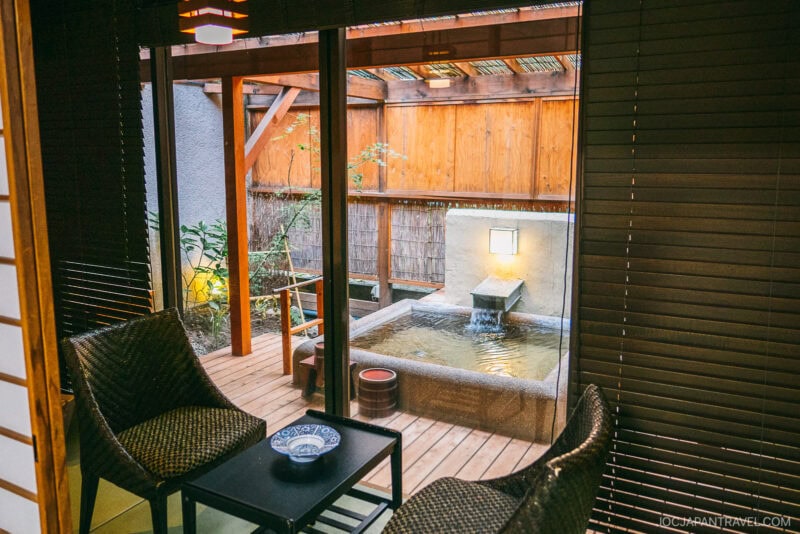
We had both Western beds and Japanese futons, plus a private outdoor onsen bath. Having our own hot spring bath was definitely the highlight of the stay.
Kaiseki Dinner
Dinner at Kunitachi was served as a seasonal kaiseki meal. Each course reflected local ingredients and careful preparation.
We always recommend choosing the breakfast and dinner-inclusive plan when staying at a ryokan, since the meals are an experience in themselves.
Arashinoyu – A Unique Hot Stone Spa
Along with the usual indoor and outdoor onsen, Hotel Kunitachi also features Arashinoyu, a medicinal hot stone spa. Guests lie on heated mineral stones while wearing light robes. The staff provided guidance on hydration and rest intervals, and we left feeling deeply relaxed.
How to Get to Fuefuki City (笛吹市)
By Train
From Shinjuku Station, take the JR Chuo Line (Limited Express Azusa or Kaiji) to Isawa-Onsen Station. Travel time is about 90 to 120 minutes. Many ryokan are within a 10-minute taxi ride or a flat walk.
By Car
From Tokyo, take the Chuo Expressway to the Ichinomiya-Misaka IC, then follow signs to Fuefuki City. Driving time is about 1.5 to 2 hours, depending on traffic. Most accommodations offer free parking.
From Nearby Spots
- Lake Kawaguchi: about 30 minutes by car
- Katsunuma wineries: about 20 to 30 minutes by car
- Fuefukigawa Fruit Park: about 15 minutes by car
Pro Tip: During peach season from late June to August, reserve fruit picking and accommodations early, as weekends get busy.
Is Fuefuki City Worth Visiting?
Fuefuki City is perfect if you’re looking for a countryside retreat close to Tokyo. The hot springs, hearty food, and welcoming atmosphere make it a refreshing contrast to Japan’s busy urban centers. Stop by for fruit picking or stay for a multi-day onsen escape; it’s a hidden gem in Yamanashi.
More to Explore Nearby
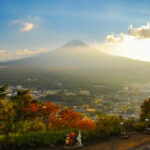
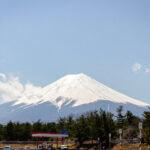
As a city at the heart of Yamanashi’s hot spring and agricultural region, Fuefuki places you perfectly to explore nearby vineyards, dramatic Mount Fuji viewpoints, and thrilling amusement park rides.
- Fruit Picking and Wine Tasting – Explore the region’s famous vineyards and orchards, offering seasonal fruit picking and local wine tasting experiences.
- Isawa Onsen – Discover this major hot spring town, offering relaxing thermal baths and traditional Japanese hospitality, located within Fuefuki City.
- Mount Fuji Panoramic Ropeway – Head to Lake Kawaguchi for a scenic gondola ride that offers stunning, iconic views of Mount Fuji.
- Fuji-Q Highland Amusement Park – Experience the thrilling roller coasters and major attractions at this popular theme park located near the base of Mount Fuji.