This post may contain affiliate links. Please read our disclosure policy.
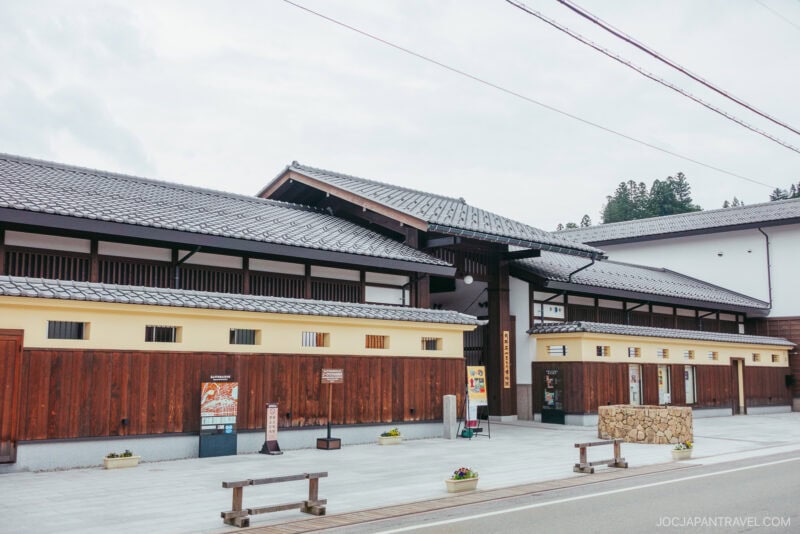
Discover 3,000 years of Hida heritage at the Takayama Museum of History and Art (飛騨高山まちの博物館), right in the town’s charming historic district.
Exploring the Heart of Hida’s Heritage
Tucked into a quiet corner of Takayama’s old town, the Takayama Museum of History and Art (飛騨高山まちの博物館) turned out to be one of our favorite cultural finds. It’s free to enter, beautifully preserved, and filled with thoughtful exhibits that bring Hida’s rich history to life.
After strolling the charming streets of Sanmachi Suji, we nearly walked right past the museum—the entrance blends so naturally into the old wooden townscape. But once inside, we found a warm, welcoming space that made us feel like we were stepping straight into the stories of Takayama’s past.
What to See Inside the Museum
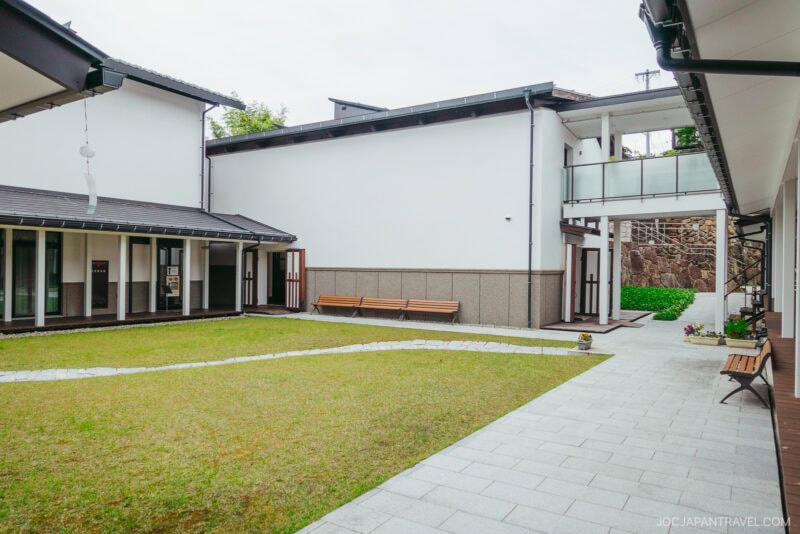
Unlike a traditional museum with one large hall, this one is spread across a cluster of restored merchant buildings and storehouses. Each room leads naturally to the next, connected by walkways and a peaceful inner garden.
Here were some of the highlights:
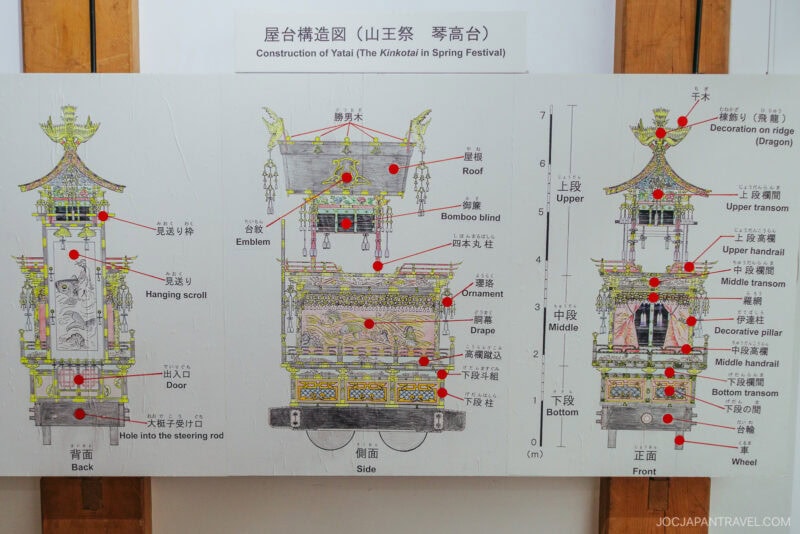
- 14 exhibition rooms showcasing nearly 1,000 items, including prehistoric tools, samurai-era objects, Meiji-era artwork, and festival floats.
- Beautifully restored buildings that give a real sense of daily life in old Takayama.
- Free admission for everyone, which makes it easy to add to any Takayama itinerary.
All displays are labeled in both Japanese and English, covering a wide range of themes—from spiritual practices and local legends to architecture and folk art. You’ll find yourself slowly wandering through centuries of Hida culture without the crowds.
Tips for Visiting
Photography is not allowed inside the exhibition rooms, as many artifacts are on loan from private collectors. However, you can take pictures in the garden and outdoor areas.
We spent about an hour exploring, which felt just right. The museum is stroller- and wheelchair-friendly, and the restrooms and small gift shop near the entrance are clean and convenient.
If you’re planning to walk the Higashiyama Walking Course, this museum makes a great place to start.
How to Get to Takayama Museum of History and Art
On Foot
- Exit Takayama Station from the main entrance and head straight down Ekimae Chuo Street.
- Turn right at the end of the street. The museum will be on your left just past the eastern end of Sanmachi Suji.
- Not sure why but Google Map calls it Hidatakayama Town Museum
- Total walking time: 15 minutes.
Pro Tip: The museum is also the perfect starting point for the scenic Higashiyama Walking Course.
Is the Takayama Museum of History and Art Worth Visiting?
Yes, without question. This museum is one of Takayama’s best free attractions, especially for anyone curious about local history, architecture, or traditional culture.
The peaceful setting, informative exhibits, and visitor-friendly layout make it easy to appreciate even without a deep background in Japanese history. We’re glad we took the time to visit—it gave us a stronger connection to Takayama and the Hida region as a whole.
More to Explore Nearby
After exploring the exhibits on town planning and local traditions at the Museum of History and Art, discover more of Takayama’s nearby cultural treasures:
- Kusakabe Heritage House – A beautifully preserved merchant home that showcases the craftsmanship of the Hida region.
- Takayama Old Town (Sanmachi Suji) – Just a short walk away, this historic district is lined with sake breweries, shops, and cafes.
- Takayama City Archives Museum – Dive deeper into the town’s past through preserved documents and historical exhibits.
- Miyagawa Morning Market – Stroll along the river and shop for local produce, pickles, and handmade crafts.