This post may contain affiliate links. Please read our disclosure policy.
Kobe Chinatown is a must-visit for street food, festivals, and family-friendly fun in Kobe’s historic port city.
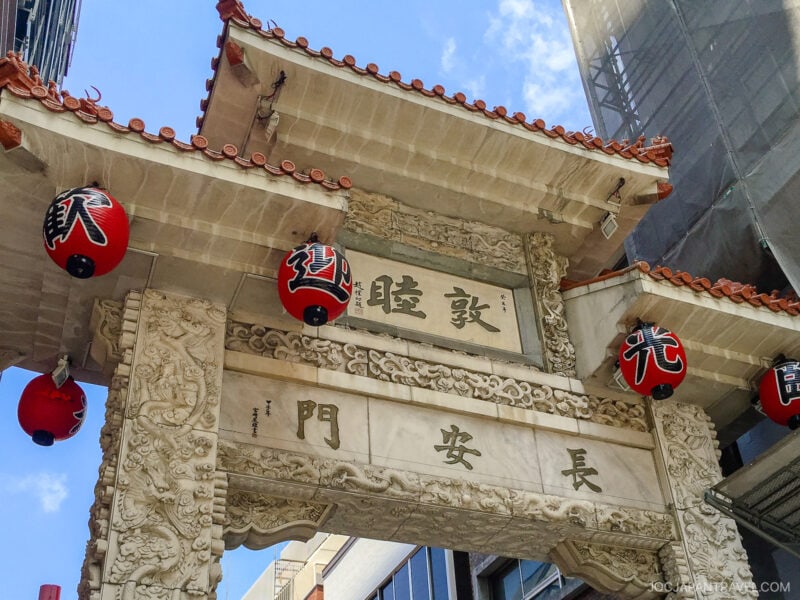
A Cultural Crossroads in Kobe
In the heart of Kobe lies Nankin-machi (南京町), one of Japan’s three major Chinatowns and a lively neighborhood full of color, flavor, and history. While Kobe is often known for its namesake beef, this multicultural district reflects the city’s broader legacy as a hub of international exchange. It’s compact enough to explore in an hour or two, yet full of character—and delicious smells.
A Brief History of Nankin-machi
Kobe opened its port to foreign trade in 1868, which welcomed new communities from around the world, including many Chinese immigrants. They settled in the Motomachi area and gradually established a cultural and commercial district known as Nankin-machi.
Though small—stretching only about 300 meters east to west—Kobe Chinatown is home to over 100 shops, restaurants, and street food stalls. It’s a place where Chinese traditions blend with Kobe’s cosmopolitan spirit.
What to Do in Kobe Chinatown
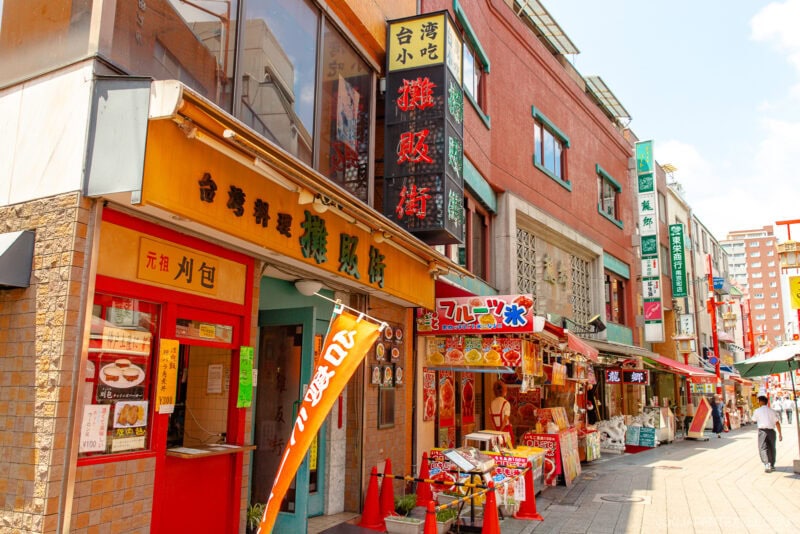
Sample the Food
Without a doubt, this is the top reason to visit! Nearly every corner of Nankin-machi features a tempting food stall, and we had so much fun sampling our way through them.
The energy is contagious—steam rising from bamboo baskets, sizzling pans, and crowds gathering around the popular stands.
Some favorites:
- Kobe beef nikuman (steamed pork buns with tender beef)
- Sesame dango (sweet, chewy rice balls)
- Misodare gyoza – pan-fried and steam dumplings with a rich, tangy miso dipping sauce
We loved the gyoza at Ganso-Gyozaen, a local favorite known for their handmade dumplings and flavorful miso dipping sauce.
For Kobe beef buns, you can’t go wrong with Roshoki (老祥記)—they’ve been serving them for over 100 years and often have a line out the door. If you’re in the mood for something spicy, try the Szechuan-style noodles from Yunyun, a small shop with bold flavors.
Take in the Sights
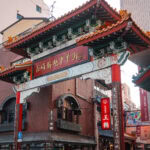
The red Chinese gates, stone lion statues, and rows of hanging lanterns create a festive atmosphere year-round. During Chinese New Year or the Mid-Autumn Festival, the decorations become even more elaborate.
We snapped plenty of photos around the central plaza and near the zodiac animal statues. Our kids especially enjoyed spotting their birth year animals.
Join a Seasonal Festival

If you’re visiting in late January or early February, you may catch the Chinese New Year celebrations, complete with lion dances, traditional costumes, and street performances. These events reflect the pride and resilience of Kobe’s Chinese community and are worth timing your visit for.
How to Get to Kobe Chinatown
Train
- Take the JR or Hanshin Line to Motomachi Station. From the station, head south. The heart of Nankinmachi is just a 2-5 minute walk from Motomachi Station, depending on your exit.
- Total travel time: 3–5 minutes from Motomachi Station.
Bus
- Kobe City Loop Bus – Get off at the Nankinmachi (Chinatown) stop or a nearby stop like Meriken Park.
Taxi
- A taxi from Sannomiya Station to Kobe Chinatown (Nankinmachi) typically takes about 3-5 minutes and costs around ¥800–¥1,100.
Pro Tip: Come hungry and avoid peak lunch hours (12:00–1:30 p.m.) for a more relaxed walk through the stalls.
Should You Visit Kobe Chinatown?
Absolutely—it’s one of Kobe’s highlights. With an incredible variety of food and a lively, festive atmosphere, it’s a great stop whether you’re traveling solo, as a couple, or with family.
Come for a quick bite or stay to soak it all in. Either way, you’re in for a fun and delicious experience.
More to Explore Nearby
After sampling street food and exploring the vibrant stalls of Kobe Chinatown, discover more of the city’s cultural and scenic highlights:
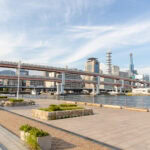
- Meriken Park – Stroll along the waterfront to see public art, museums, and views of Kobe Port Tower.
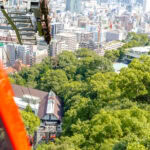
- Kobe Nunobiki Ropeway & Herb Gardens – Ride the ropeway up the mountainside for panoramic views and a garden stroll.
- Arima Onsen – Soak in historic golden hot springs just a short train ride from central Kobe.
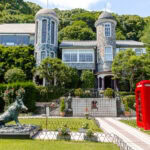
- Kitano Ijinkan – Explore Western-style mansions built by foreign residents in the late 1800s.