This post may contain affiliate links. Please read our disclosure policy.
From lakes and bike trails to world-class art and dining, Minneapolis and St. Paul offer a dynamic mix of outdoor beauty and cultural experiences.
Tips for Visiting the Twin Cities
- Rent a car: The cities are spread out and easier to explore by car.
- Dress for the season: Summers are warm and beautiful, winters are long and cold.
- Wear comfortable shoes: Many parks and museums involve plenty of walking.
- Stay flexible: Traffic was manageable during our visit, making it easy to adjust plans.
Minneapolis Chain of Lakes Regional Park

Known as the “Land of 10,000 Lakes,” Minneapolis shines with its Chain of Lakes just southwest of downtown. This connected park system includes Bde Maka Ska, Lake Harriet, Lake of the Isles, Cedar Lake, and Brownie Lake.
We walked on the flat trails around Bde Maka Ska and Lake Harriet, passing Lakewood Cemetery’s Byzantine-style chapel and the colorful Lyndale Park Rose Garden. The area was lively with people kayaking, swimming, and fishing, yet still felt family-friendly and relaxed.
Lake Minnetonka

About 30 minutes from downtown, Lake Minnetonka is a favorite for boating and waterfront dining. We joined a sightseeing cruise from the Port of Excelsior and learned about the lake’s islands, history, and lakeside mansions. Even on a hazy morning, the ride was relaxing and full of local stories.
Minnehaha Regional Park and Minnehaha Falls
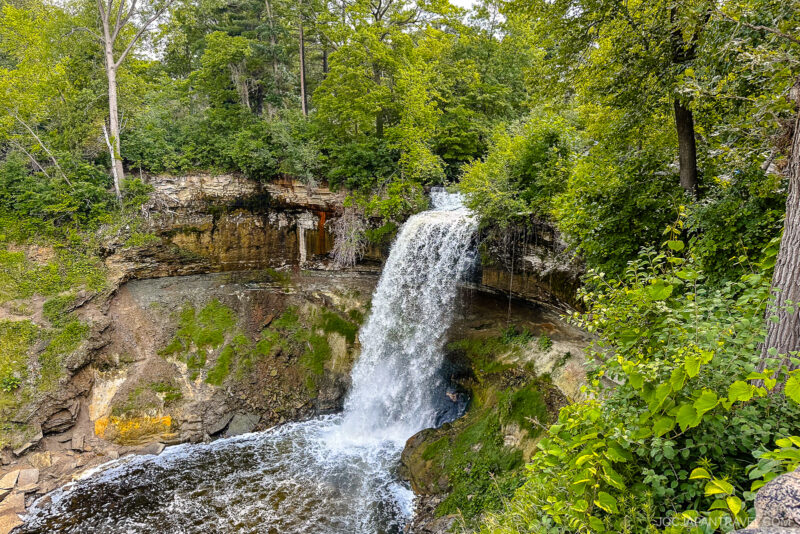
South of downtown, Minnehaha Park draws visitors to its 53-foot waterfall. We walked the trails, watched families enjoy the Wabun Playground, and admired the gardens. Since it’s near the airport, it makes a convenient stop before or after a flight.
George Floyd Memorial

At the intersection of Chicago Avenue South and 38th Street East, the George Floyd Memorial is a powerful community-led tribute. Visiting was a quiet, reflective moment for our family and a reminder of the ongoing work for justice and equity.
Minneapolis Institute of Art (Mia)

Mia houses more than 90,000 works spanning 5,000 years, from Western classics to Asian art. We especially enjoyed the replica Japanese tea house, the Chinese reception hall, and Dale Chihuly’s glass sculpture hanging in the entrance. Admission is free, and the museum feels welcoming for families.
Minneapolis Sculpture Garden

Next to the Walker Art Center, this 11-acre outdoor park is filled with over 40 sculptures. The playful “Spoonbridge and Cherry” was the clear highlight for us, but our kids loved running around to spot the others.
Basilica of Saint Mary
Across the freeway from the sculpture garden, the Basilica of Saint Mary stands as the first basilica built in the United States. Completed in the early 1900s, it features impressive architecture both inside and out, and it’s worth a short visit.
Downtown Minneapolis: Mill City Museum and Stone Arch Bridge
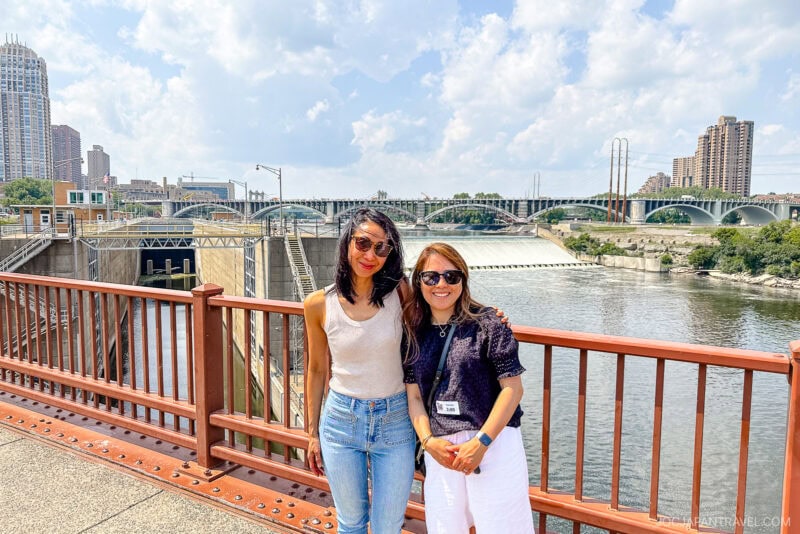
We spent time exploring the Mississippi Riverfront and downtown highlights:
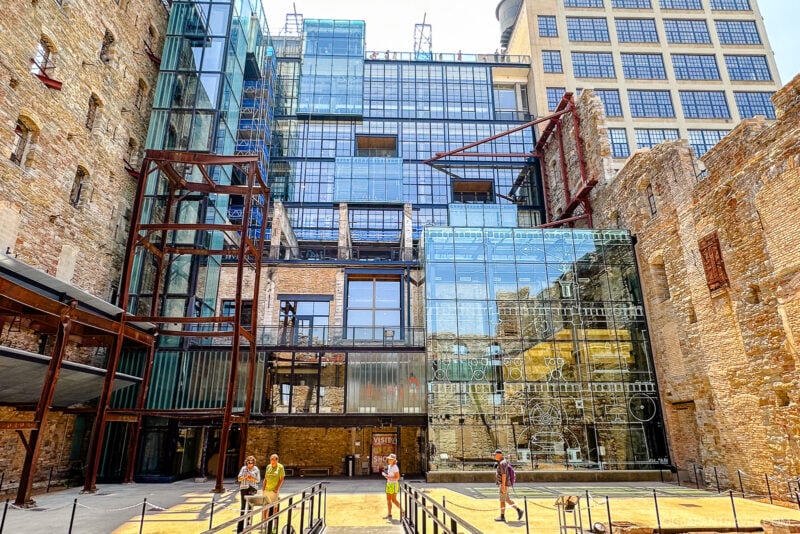
- Mill City Museum: Built inside the ruins of the Washburn A Mill, it brings Minneapolis’s flour milling history to life with interactive exhibits and a rooftop view.
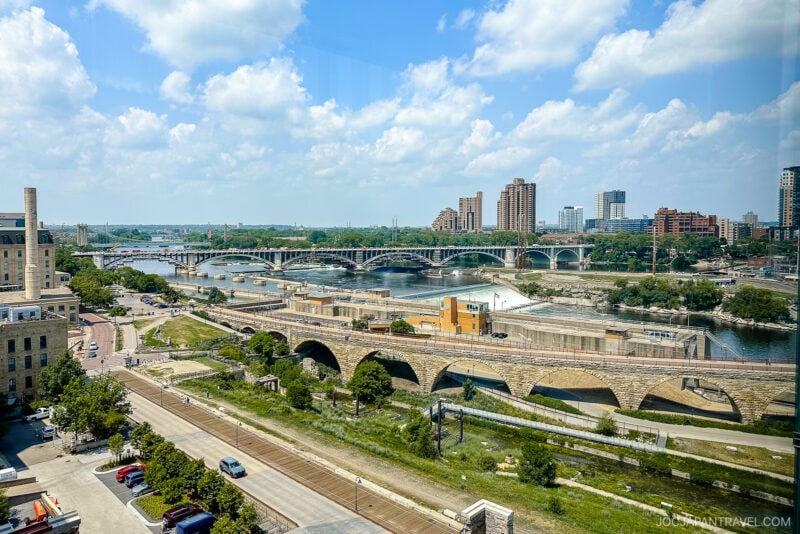
- Stone Arch Bridge: A former railroad bridge turned pedestrian walkway with sweeping views of the river and St. Anthony Falls.
- Guthrie Theater: The striking blue building is known for outstanding performances. We saw Murder on the Orient Express and loved the experience.
St. Paul Highlights
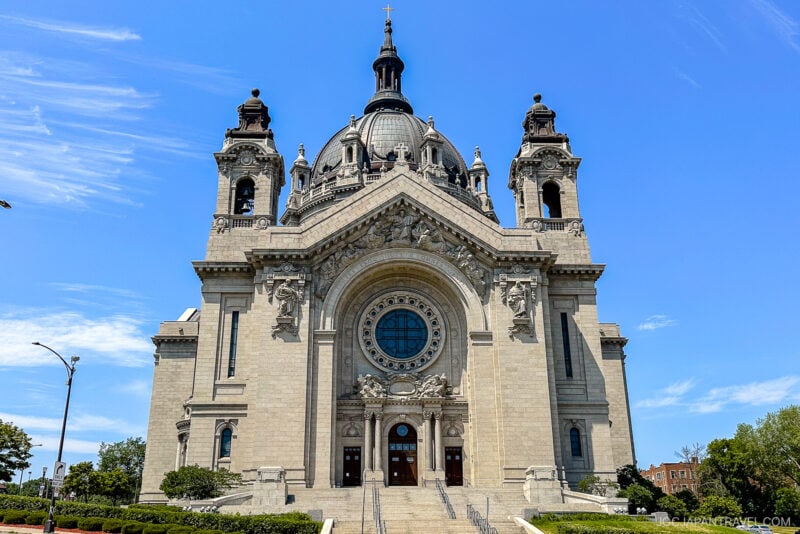
We didn’t spend a lot of time in St. Paul, but we still managed to take in a few memorable spots:
- Cathedral of Saint Paul: The third-largest Catholic cathedral in the US, with a grand dome and remarkable stained glass.
- James J. Hill House: A Gilded Age mansion that revealed incredible craftsmanship and stories of the railroad tycoon.
- Summit Avenue: The longest stretch of Victorian homes in the country, with beautiful river views.
What We Ate in Minneapolis

Food was a highlight of our trip, and we sampled some great restaurants:
- Hai Hai: A vibrant Southeast Asian restaurant by Chef Christina Nguyen. Dishes like crispy rice salad, coconut shrimp toast, and sticky rice bowls were bursting with flavor.
- Kado no Mise: An intimate sushi counter led by Chef Hasegawa, serving Edomae-style sushi with seasonal ingredients. Upstairs, the Gori Gori Peku whisky bar offers a cozy spot, while downstairs is Sanjusan, their Japanese-Italian sister restaurant.
How to Get to the Twin Cities
The “Twin Cities” refers to Minneapolis and Saint Paul, Minnesota, a major metropolitan area with excellent transportation links.
By Air
The primary airport for the region is Minneapolis-St. Paul International Airport (MSP). MSP is conveniently located between the two cities and offers several ground transportation options:
- Light Rail (METRO Blue Line): The light rail provides a direct, fast, and affordable connection from both airport terminals to downtown Minneapolis.
- Bus (METRO Route 54): The bus provides a direct connection from the airport to downtown Saint Paul.
- Taxi/Ride-share: Taxis and ride-sharing services like Uber and Lyft are readily available from both terminals.
By Car
The Twin Cities are a major hub for the Midwest highway system. Interstates I-35 and I-94 are the primary routes into the area. Approximate drive times are:
- From Milwaukee, WI: 5 hours
- From Chicago, IL: 6.5 hours
- From Des Moines, IA: 4 hours
Is Minneapolis Worth Visiting?
Minneapolis and St. Paul surprised us with their variety—lakes and trails, museums, theater, and restaurants that rival bigger cities. It felt vibrant yet manageable, with plenty of family-friendly activities. We would happily return in autumn to see the famous fall colors or even in winter to experience a snowy adventure.
More to Explore Nearby
Once you’ve explored the Twin Cities, you’re just a short drive from more attractions:
- Stillwater: A riverfront town known for boutique shops and paddlewheel cruises.
- Mall of America: The country’s largest mall with rides, shops, and dining, located in Bloomington.
- Minnesota Landscape Arboretum: A beautiful garden escape in Chaska.
- Fort Snelling State Park: Trails and history where the Minnesota and Mississippi rivers meet.