This post may contain affiliate links. Please read our disclosure policy.
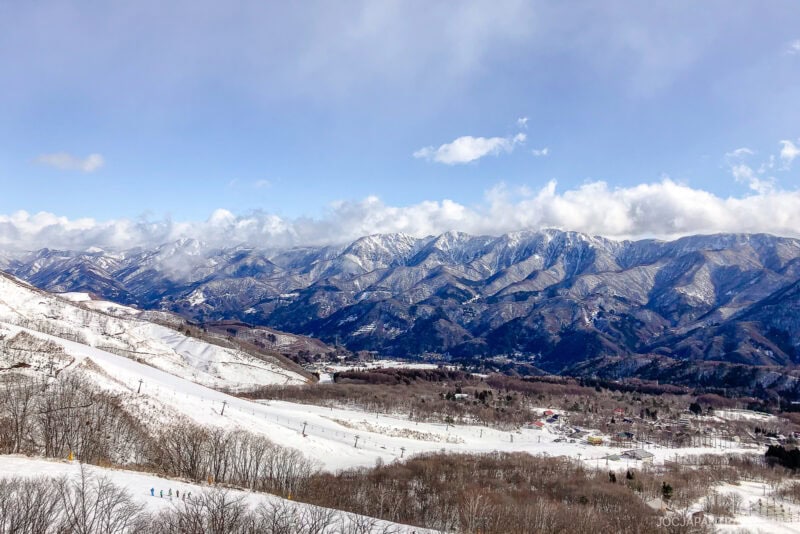
Hakuba in Nagano Prefecture is one of Japan’s top ski destinations, complete with world-class slopes, family-friendly packages, and relaxing hot springs.
Getting to Hakuba from Tokyo
Hakuba sits at the northern edge of Nagano Prefecture, about 270 km from Tokyo. Travel isn’t the cheapest part of the trip, but it’s manageable with a package deal.
- By car: Around 4 hours, with ¥6,000 in tolls each way.
- By train and bus: Take the Hokuriku Shinkansen to Nagano, then a bus to Hakuba. Total is about ¥10,000 each way per person.
- By direct bus: From Shinjuku, Shibuya, or Yokohama. About 5–6 hours, costing around ¥5,000 each way.
We booked a ski package that included transport, which helped keep costs under control.
Budget-Friendly Ski Packages
We used a Japanese travel company called Ski Market to book our trip. Packages like these are designed for convenience and value. Ours included:
- Round-trip bus transportation
- Two nights at a budget ski hotel
- Lift tickets (we upgraded from two to three days)
- Ski or snowboard rental
- Clothing rental
- Breakfast and dinner
The total came to about $300 USD per adult. Considering everything was included, it was an excellent deal.
Early Morning Bus Ride
Our journey began with a 6:30 am bus from Shinjuku. The meeting point was under the Tokyo Metropolitan Government Building, where dozens of ski buses were lined up. The 5-hour ride included rest stops with clean facilities and snacks, and the views of the snow-covered Alps as we approached Hakuba built up our excitement.
Hakuba’s Ski Resorts
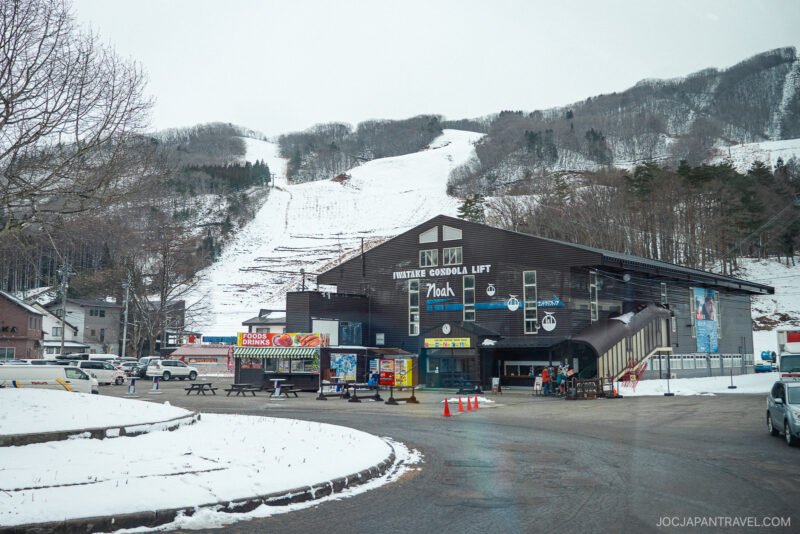
The Hakuba Valley has ten ski resorts. Our bus passed several on the way: Hakuba Goryu, Hakuba47, Happo-One, Iwatake, and finally Tsugaike, where we skied and stayed. Free and low-cost shuttles run between resorts, so it’s easy to mix things up if you want more variety.
Staying at Resort Inn Marion Shinano
We stayed at Resort Inn Marion Shinano, chosen for its location near Tsugaike Ski Resort. The gondola was only a 3-minute walk away. While the hotel was dated and simple, it was comfortable enough for a ski trip. We set up our futons ourselves, and the small onsen was a welcome treat after skiing.
Ski Rentals and Gear
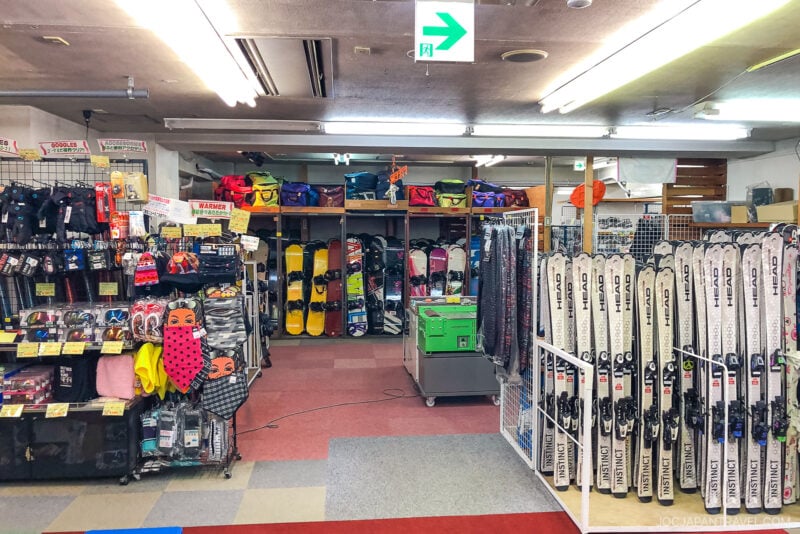
The in-house rental shop, Arai Sports, made things easy. Standard rentals were included in our package, but we paid a small fee to upgrade skis and boards. Ski outfits were also available for those who didn’t bring their own gear.
Skiing at Tsugaike Ski Resort
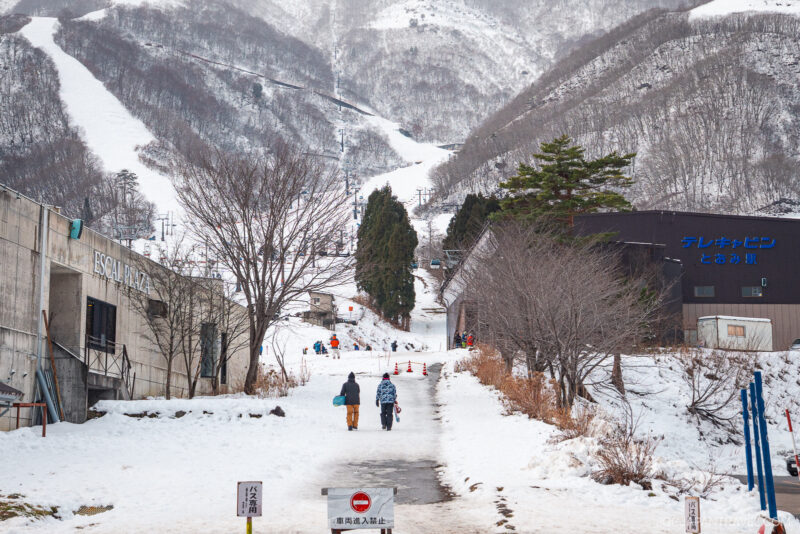
- Day 1: Our first afternoon was short, with icy patches and thin snow. The gondola ride to the top took 20 minutes and gave us sweeping mountain views.
- Day 2: Perfect weather with soft snow and clear skies. We skied all day, and it was the highlight of the trip.
- Day 3: A snowstorm dropped over a foot of powder. Visibility was poor, but skiing fresh snow was unforgettable.
Tsugaike isn’t the largest resort, and we did find ourselves repeating the same runs. Next time, we’d try a second resort for variety.
Meals in Hakuba
Our hotel provided breakfast and dinner. The food was simple but filling, with a mix of Japanese and Western options. At Tsugaike, slope-side dining was surprisingly varied. We grabbed hearty meals like curry katsu, noodles, and croquettes at Cowbell Restaurant. There was even a Burger King at the base for a quick bite.
The Return Trip
We left Hakuba on a 4:30 pm bus bound for Yokohama. After returning our rental gear, we relaxed in the hotel lounge until departure. The ride back took six hours, but it was comfortable and safe, even in snowy conditions.
How to Get to Hakuba
Hakuba sits in northern Nagano Prefecture, about 270 km from Tokyo. You can arrive by car, train plus bus, or direct highway bus.
By Car
- Approx. 4 hours from central Tokyo, plus about ¥6,000 each way in tolls
By Train
- Hokuriku Shinkansen from Tokyo to Nagano (~1.5 hours), then an express bus to Hakuba (~1 hour)
By Direct Bus
- From Shinjuku, Shibuya, or Yokohama (5–6 hours, about ¥5,000 each way)
Pro Tip: All-in-one ski packages often include round-trip bus transport, lodging, rentals, and lift tickets, saving both time and money.
Our Final Take on Hakuba
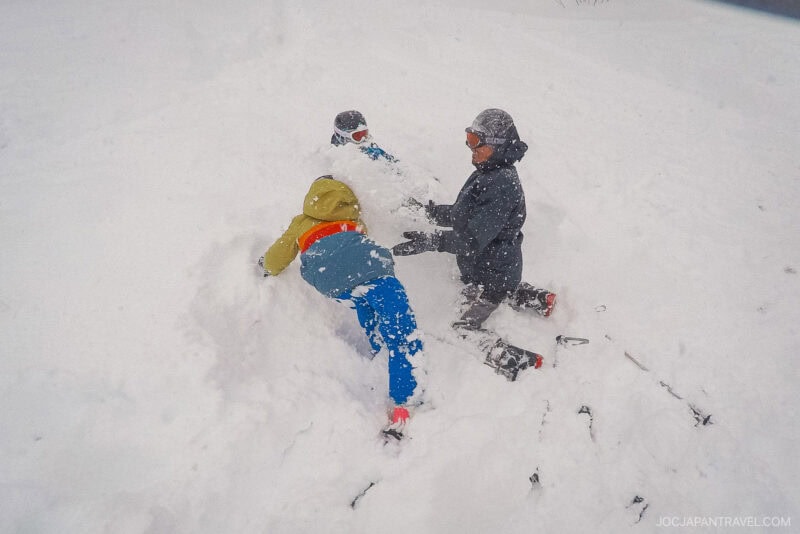
Hakuba is one of Japan’s premier winter destinations, and we think it’s especially good for families and first-time skiers. Packages make it affordable, and the scenery is stunning.
While our hotel was simple and Tsugaike wasn’t the biggest resort, the combination of snowy mountains, hot springs, and time together made it unforgettable.
More to Explore Nearby
Hakuba Valley is world-renowned for its multiple ski resorts, deep powder, and stunning views of the Northern Japan Alps. Once you’ve enjoyed the slopes, the wider Nagano region offers unique wildlife experiences, historical sites, and breathtaking alpine scenery.
- Jigokudani Monkey Park – Take a day trip to see the famous “snow monkeys” bathing in an outdoor hot spring during the colder months, a unique and memorable wildlife experience.
- Tateyama Kurobe Alpine Route – Explore the “Roof of Japan.” This dramatic route (accessible seasonally) features the massive Snow Wall, ropeways, and Japan’s largest dam, offering spectacular alpine scenery.
- Matsumoto Castle – Journey south to the nearby city of Matsumoto to visit one of Japan’s most celebrated original castles, famous for its elegant black exterior and historical integrity.
- Kamikochi – While inaccessible during the deep snow season, this area is the premier alpine hiking destination in the Japanese Alps during warmer months, known for its pristine natural beauty and stunning river views.