This post may contain affiliate links. Please read our disclosure policy.
The Ohara Museum of Art in Kurashiki showcases Western masterpieces, Japanese folk crafts, and modern art, making it one of Japan’s most unique cultural treasures.
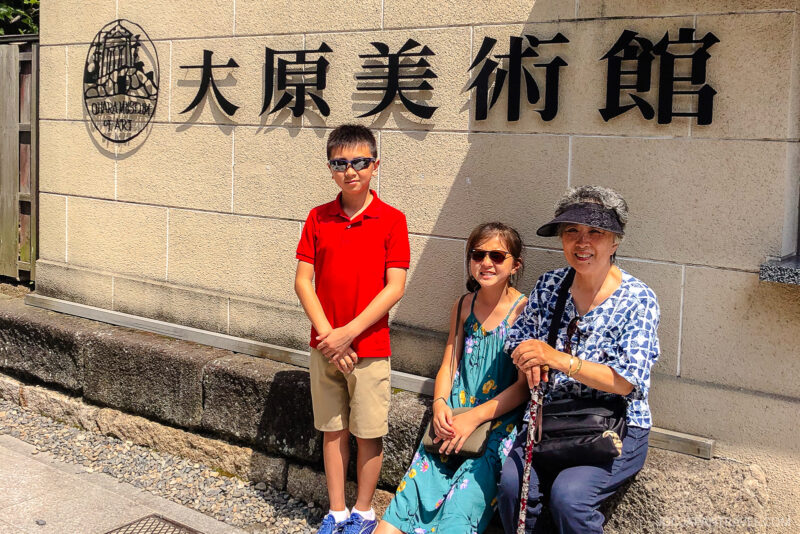
What Makes the Ohara Museum of Art Special
Tucked inside the Bikan Historical Quarter, the Ohara Museum of Art is Japan’s first private museum devoted to Western art. Opened in 1930 by industrialist Ohara Magosaburo to honor his friend Kojima Torajiro, the museum remains a pioneering space that connects global art with local pride.
Inside, we found an impressive and diverse collection:
- Works by Monet, El Greco, Gauguin, Matisse, and Picasso
- Japanese pieces from Kojima Torajiro and the Mingei (folk craft) movement
- Rotating exhibitions and cultural events highlighting cross-cultural dialogue
What struck us most was the setting. Just steps from willow-lined canals, the museum’s neoclassical building feels European on the outside, yet its galleries invite quiet reflection in a very Japanese way.
What to Expect When You Visit
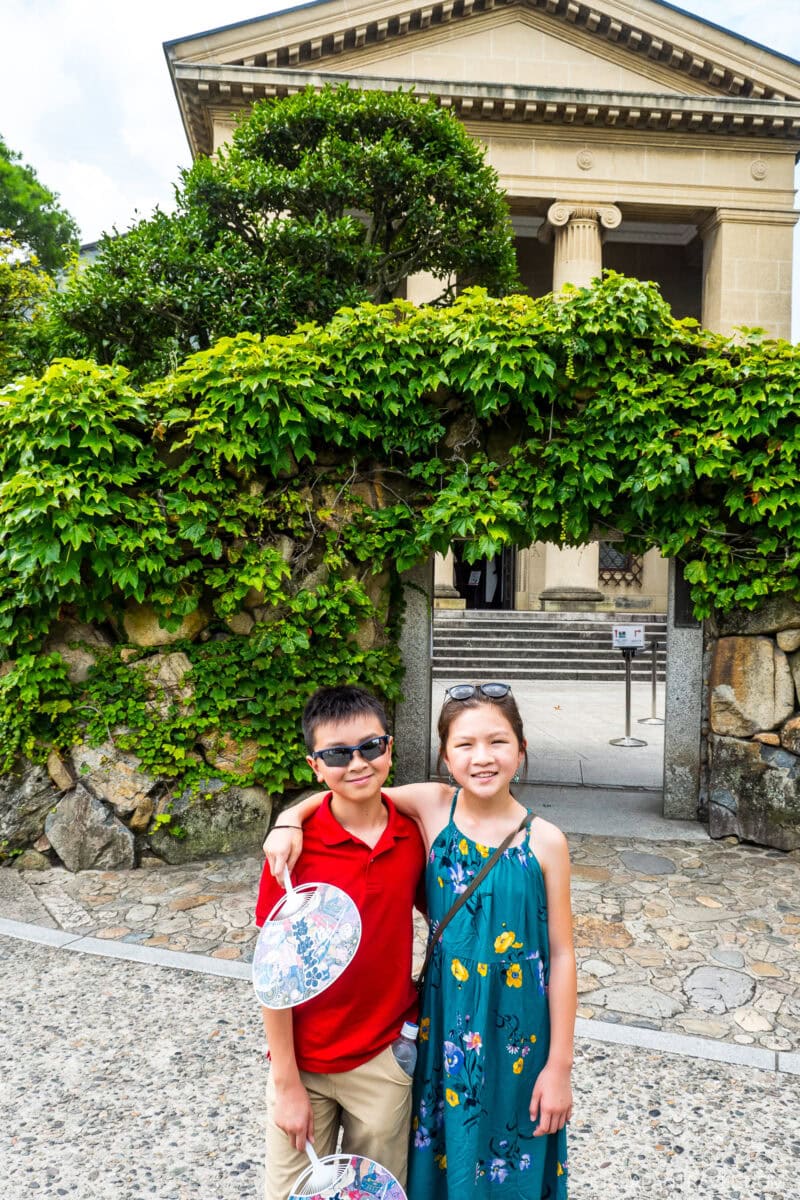
The museum is divided into several areas:
- Main Gallery – Features 19th- and 20th-century Western art, including Monet’s Water Lilies and El Greco’s Annunciation.
- Kojima Torajiro Memorial Hall – Dedicated to the artist who helped shape the collection.
- Crafts and Folk Art Annex – Showcases ceramics, textiles, and lacquerware celebrating the beauty of everyday craft.
We appreciated how the art is displayed with care. The galleries are spacious and calm, giving us time to pause and absorb each work without feeling rushed.
Traveler Tip: Check the museum’s website before your visit. Special exhibits, curator talks, and guided tours often provide deeper context to the collection.
Our Experience at the Ohara Museum

We’ve visited many art museums in Japan, but the Ohara Museum left a lasting impression. The eclectic mix of Impressionist paintings, Japanese folk textiles, and modern crafts made every room feel like a discovery. For us, it was the way global masterpieces and local artistry complemented each other that made the experience so memorable.
How to Get to Ohara Museum of Art
By Train
From JR Kurashiki Station, walk about 10 minutes south to the Bikan Historical Quarter. Follow signs for the canal area. The museum is a short walk from the water.
By Car
Paid lots sit around the Bikan Historical Quarter. Spaces fill on weekends and holidays, so arrive early.
Pro Tip: Pair your visit with the nearby Kurashiki Museum of Folkcraft (倉敷民芸館) or Kurashiki Ivy Square. Everything is walkable from the museum.
Is the Ohara Museum of Art Worth Visiting?

The Ohara Museum is one of Kurashiki’s highlights. Seeing Monet and El Greco in a small canal town is remarkable, and the blend of Western art and Japanese craftsmanship makes it unique in Japan. Whether you’re an art lover or simply curious, the Ohara Museum adds depth and meaning to a visit to the Bikan Historical Quarter.
More to Explore Nearby
The Ohara Museum of Art, located in Kurashiki’s Bikan Historical Quarter, is renowned as Japan’s first museum of Western art. After enjoying its impressive collection, you are perfectly situated to explore the historic townscape, Okayama’s regional treasures, and the Seto Inland Sea’s unique art scene.
- Kurashiki Bikan Historical Quarter – Step out of the museum and explore the beautifully preserved merchant town. Stroll along the willow-lined canal, view the traditional white-walled storehouses (kura), and enjoy a peaceful boat ride.
- Okayama Koraku-en Garden – Take a short trip to neighboring Okayama City to visit one of Japan’s Three Great Gardens, celebrated for its expansive, elegant landscape and seasonal beauty.
- Naoshima Art Island – Easily accessible via a ferry from nearby Uno Port, this island is a must-see for contemporary art lovers, featuring museums designed by Tadao Ando and iconic outdoor sculptures.
- Washuzan Highland – Located near Kurashiki, this area provides spectacular, panoramic views of the Seto Inland Sea, the Great Seto Bridge, and its numerous islands, offering breathtaking sunset vistas.