This post may contain affiliate links. Please read our disclosure policy.
Asahiyama Zoo in Asahikawa brings visitors closer to animals than almost any other zoo in Japan, with creative exhibits, parades, and a truly family-friendly atmosphere.
What Makes Asahiyama Zoo Special
When we visited Asahiyama Zoo, I quickly realized it wasn’t going to be like any other zoo we’d been to in Japan. Instead of animals pacing behind cages, we found ourselves watching them leap, swim, and play as if we had stepped into their world.
The kids were completely enchanted—so much so that what was meant to be a quick stop turned into hours of exploring.
Top Highlights at Asahiyama Zoo
Winter-Adapted Animals in a Natural Climate
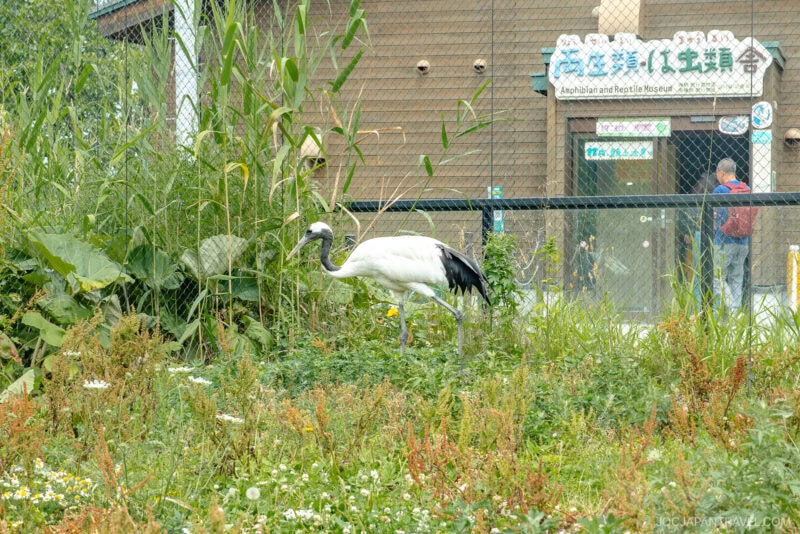
Thanks to Hokkaido’s snowy winters, the zoo can house cold-weather animals like polar bears, penguins, wolves, and cranes in habitats that look and feel authentic. Watching these animals in a setting so close to the wild was unforgettable.
Penguin Tunnel and Parade
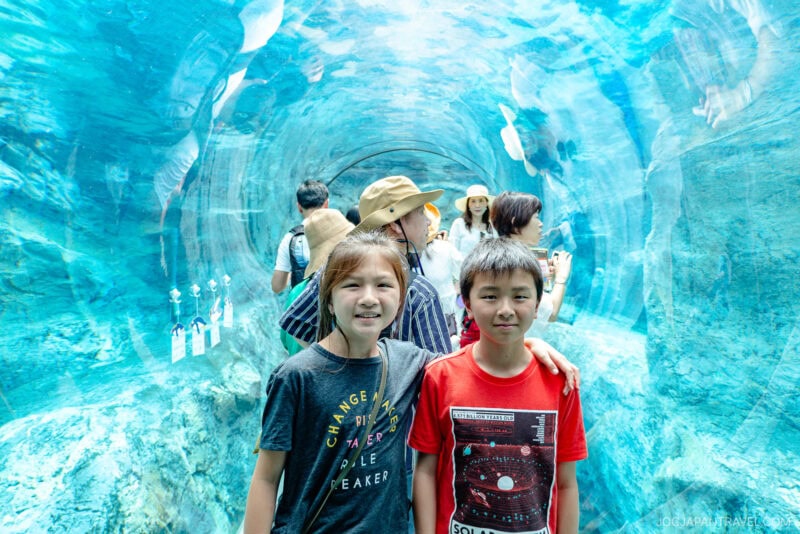
One of the most popular attractions is the penguin area. Walking through an underwater tunnel, we saw penguins dive and glide right past us. During the winter, the daily Penguin Walk is one of the highlights.
Polar Bear Dome and Feeding Time
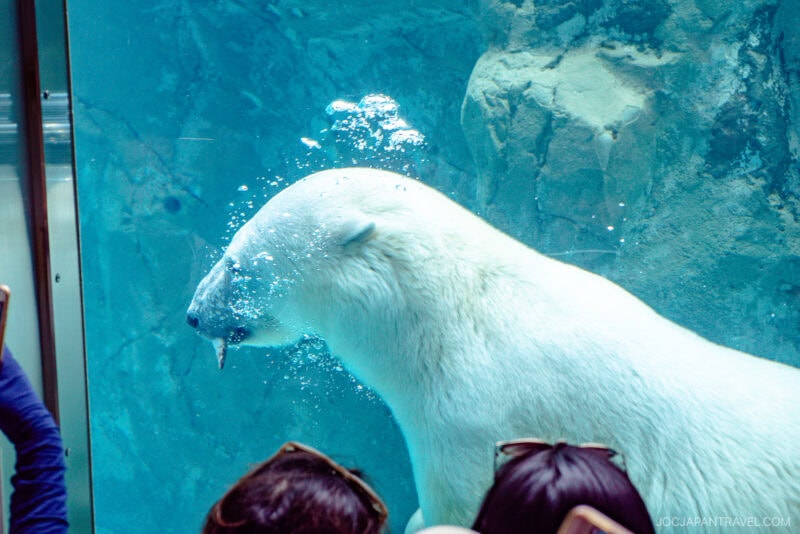
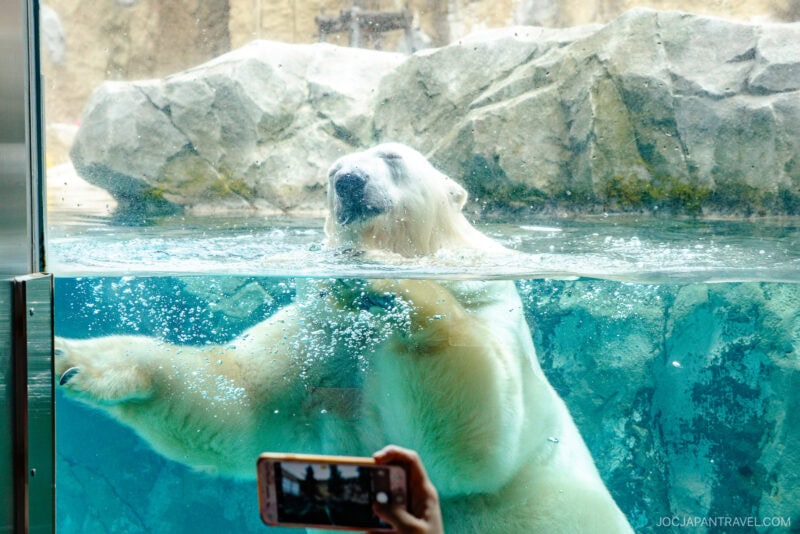
The polar bear enclosure features glass viewing walls above and below water. During feeding time, the bears plunge dramatically into the pool to catch food. We lined up early for a good spot, which was worth it for the experience.
Amphibia and Reptile House
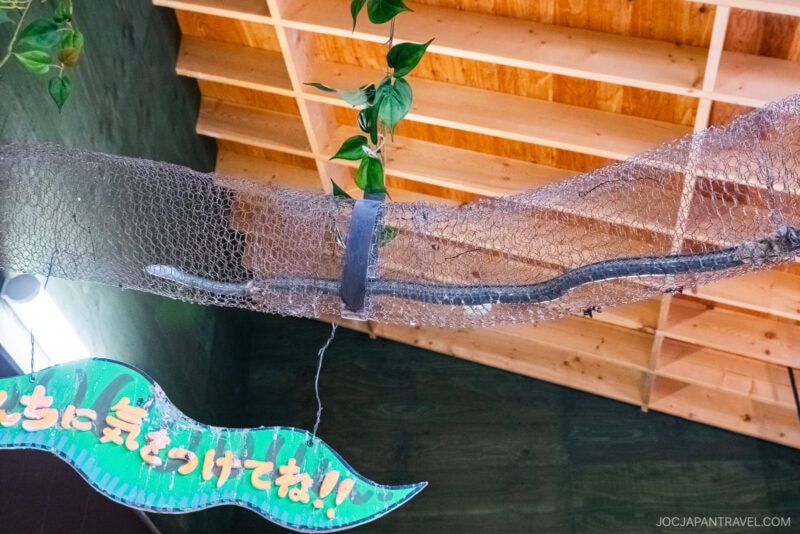
Our kids love reptiles and had the best time in the exhibit. They were fascinated watching snakes slither through overhead tunnels. The design lets visitors get very close to these creatures, making it one of the more adventurous stops.
Local Hokkaido Wildlife
Beyond the exotic species, the zoo also showcases native animals like Hokkaido deer, red foxes, cranes, and eagles. These exhibits gave us a rare glimpse into the region’s wilderness and allowed us to see animals we don’t typically see.
How to Get to Asahiyama Zoo
The zoo sits just outside central Asahikawa and is easy to reach.
By Train and Bus
- From Asahikawa Station, take the Asahikawa Electric Railway Bus to “Asahiyama Dobutsuen”.
- The ride takes about 35 to 40 minutes.
By Car
- Driving from central Asahikawa takes about 30 minutes.
Pro Tip: In winter, check the zoo calendar for Penguin Walk dates and times, and dress warmly.
Is Asahiyama Zoo Worth Visiting?
Though not large, Asahiyama Zoo is one of Japan’s most creative and engaging wildlife parks. Watching polar bears plunge into the water or penguins dart around felt magical—not just for the kids, but for us too. We recommend adding Asahikawa to your itinerary if you’re traveling with children.
More to Explore Nearby
While the innovative exhibits of Asahiyama Zoo can easily fill a day, the surrounding region offers a diverse array of Hokkaido experiences, from scenic alpine parks and majestic mountain trails to famous colorful flower fields.
- Daisetsuzan National Park – Discover the largest national park in Hokkaido, often called the “Roof of Hokkaido,” offering magnificent volcanic scenery and excellent hiking trails.
- Shirogane Blue Pond – Visit this ethereal, stunningly colored blue pond in Biei, famous for the mesmerizing intensity of its natural, vivid turquoise hue and the dead larch trees within it.
- Farm Tomita (Furano) – Explore one of Japan’s most famous lavender farms, where stunning rows of colorful flowers bloom across the rolling hills of Furano during the summer months.
- Biei Patchwork Road – Take a scenic drive or cycle through this picturesque countryside, where different crops create a vibrant, beautiful patchwork effect across the gentle slopes.