This post may contain affiliate links. Please read our disclosure policy.
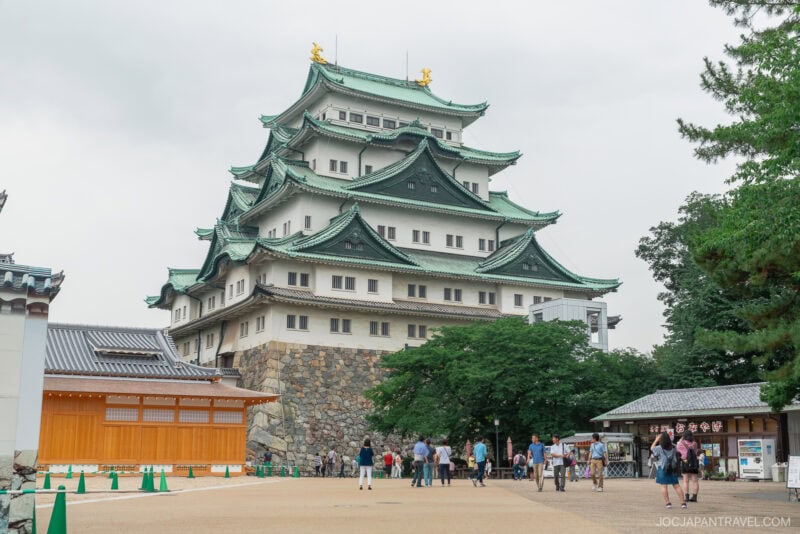
Nagoya Castle draws you in with its glittering golden shachihoko, masterful Edo-era craftsmanship, and stories from Japan’s feudal past—all wrapped into the city’s most iconic landmark.
A Glimpse into Japan’s Samurai Past
Our family loves visiting castles across Japan and learning about their history. Exploring Nagoya Castle gave us a deeper appreciation for the Tokugawa legacy and the refined craftsmanship of the Edo period. With its wide-open grounds, gleaming golden shachihoko, and beautifully restored palace, the castle offers something memorable for all ages.
History of Nagoya Castle
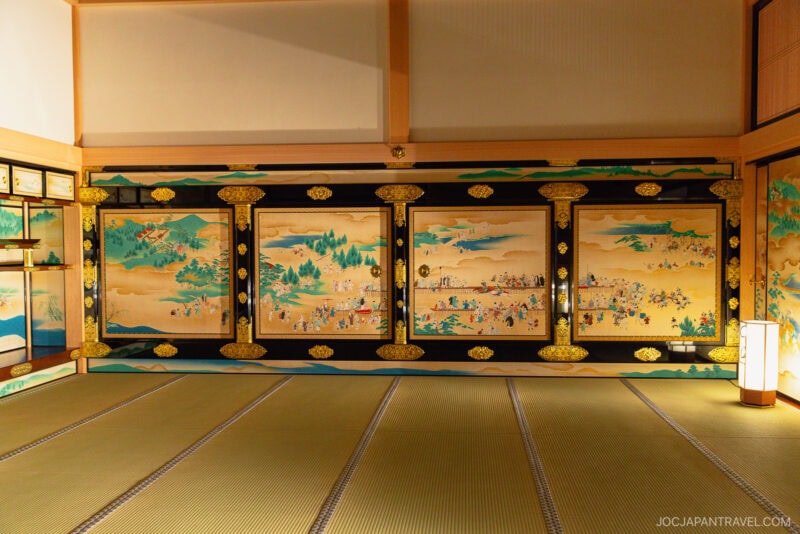
Tokugawa Ieyasu ordered the construction of Nagoya Castle in 1610 to secure a key position between Kyoto and Edo. It became the seat of the Owari Tokugawa clan—one of the three main branches of the Tokugawa family. The castle was renowned for its towering keep and golden shachihoko, mythological creatures shaped like tiger-headed carp said to ward off fire.
Sadly, the original structure was destroyed during World War II bombings. What you see today is a reconstruction, with the main keep rebuilt in 1959 using concrete. However, the ongoing project to rebuild it in wood, using traditional techniques, reflects Nagoya’s commitment to historical preservation.
Exploring the Highlights
Hommaru Palace: Edo Luxury Brought to Life
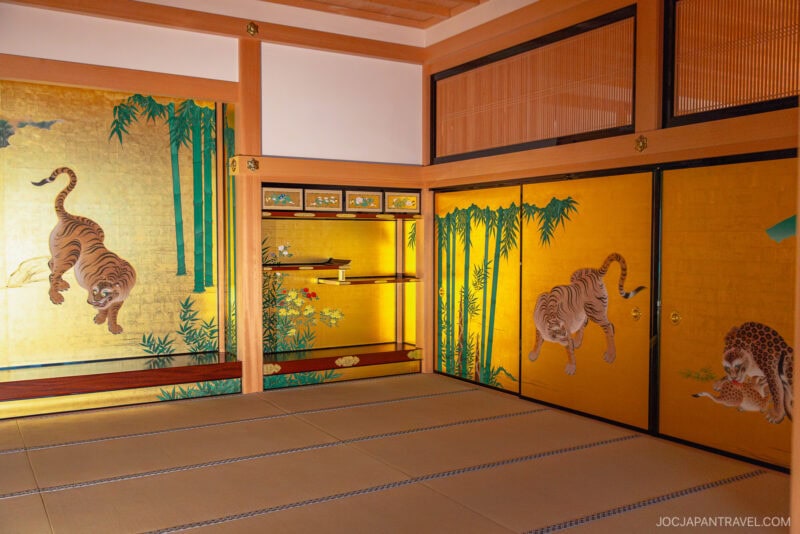
One of the highlights of our visit was Hommaru Palace, fully reopened in 2018 after a meticulous wooden reconstruction. Every room felt like a living art gallery:
- Gold-leaf sliding doors (fusuma) depicting fierce tigers, pine trees, and cherry blossoms
- Tatami-floored chambers that once hosted samurai lords and official meetings
- Delicate ceilings and woodwork that show the high level of craftsmanship from the Edo period
Golden Shachihoko: Pride of Nagoya

The golden shachihoko ornaments perched on the castle rooftops are impossible to miss. You’ll find a full-sized replica on the grounds, perfect for a closer look at the intricate design. These iconic symbols are everywhere in Nagoya, from souvenirs to manhole covers, and have become a proud emblem of the city.
Castle Grounds and Seasonal Highlights

The outer castle grounds are open and stroller-friendly, making it great for families. Depending on the time of year, the scenery changes dramatically:
- Spring: Cherry blossoms bloom across the moat and paths, attracting many for hanami picnics.
- Summer: Evening festivals and light-ups bring the castle to life.
- Autumn: Red maple leaves and golden ginkgo trees frame the castle walls.
- Winter: A quiet dusting of snow gives the grounds a peaceful beauty.
Meijo Park
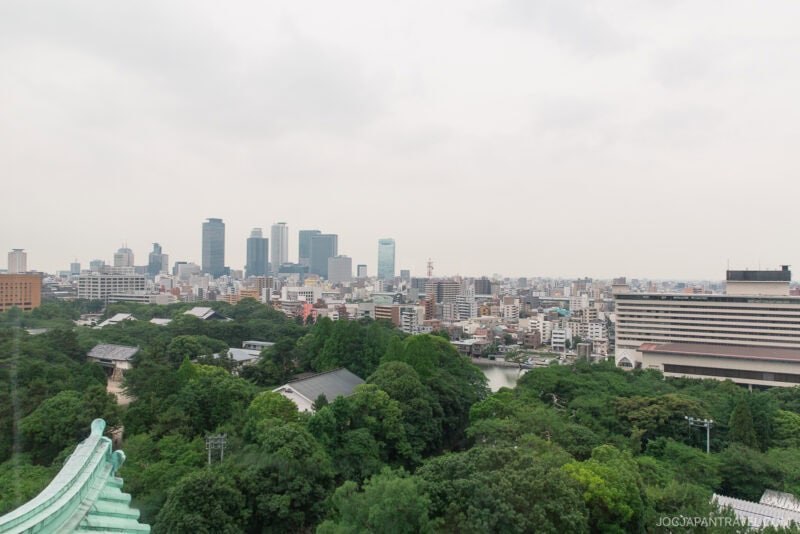
Right next to the castle, Meijo Park offers open spaces for picnics and seasonal flowers. It’s a relaxing place to walk around after exploring the historical sites.
How to Get to Nagoya Castle
Train
- From Nagoya Station, take the Sakuradori Subway Line to Hisayaodori Station (about a 5-minute ride). Transfer to the Meijo Subway Line (purple line) and go two stops to Nagoyajo Station (about a 2-minute ride).
- From Nagoyajo Station, take Exit 7, and the castle’s main gate is just a 5-minute walk.
- Total travel time: 10–15 minutes.
Bus
- The Me~guru Nagoya Sightseeing Bus stops directly at Nagoya Castle. It’s a convenient choice if you plan to visit multiple attractions around the city.
Taxi
- From Nagoya Station, a taxi ride takes about 5-10 minutes and costs around ¥1,000–¥1,500.
Why Nagoya Castle Should Be in Your Itinerary
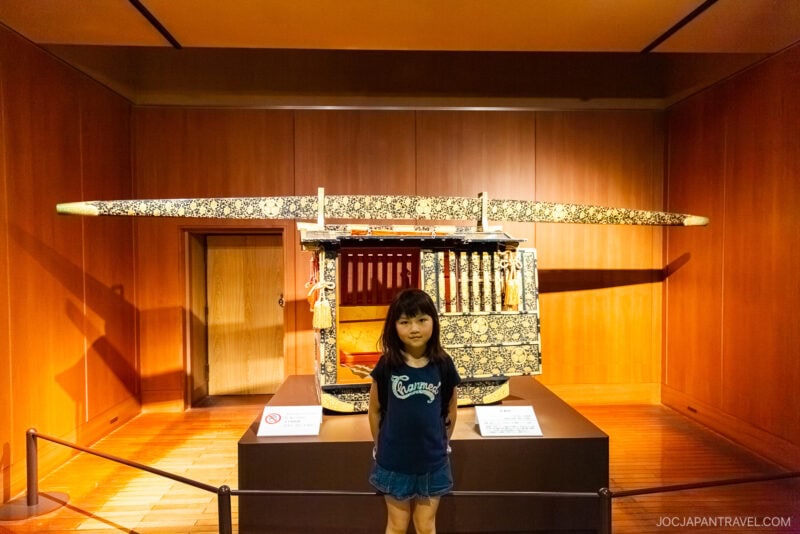
Nagoya Castle isn’t just a beautiful landmark, it’s a key to understanding Japan’s past and the spirit of the region. Walking through its grounds and halls gives you a deeper connection to the city’s history, far beyond what you’d get from a quick photo stop.
The highlight is the Hommaru Palace, where Edo-period artistry surrounds you in every room, making you feel like you’ve stepped back in time. With its convenient location in central Nagoya, we highly recommend stopping at the castle during your trip.
More to Explore Nearby
After exploring Nagoya Castle’s golden shachihoko and restored Hommaru Palace, discover more nearby sites filled with history, science, and striking architecture:
- Nagoya TV Tower – Japan’s oldest TV tower with stunning city views and easy access to Hisaya Odori Park.
- Hisaya Odori Park – A long, green strip below the TV Tower with cafés, fountains, and seasonal displays.
- Oasis 21 – A futuristic shopping and transport hub with a glass “Spaceship-Aqua” roof and great nighttime lights.
- Nagoya City Science Museum – A short subway ride away, this museum offers hands-on exhibits and one of the world’s largest planetariums.