This post may contain affiliate links. Please read our disclosure policy.
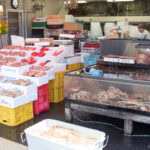
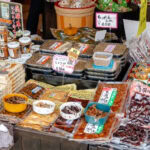
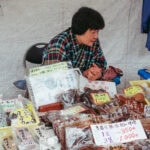
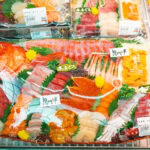
Discover Hachinohe Market in Japan, a lively hub where locals and tourists can find fresh seafood, produce, and traditional goods. The bustling atmosphere and tasty food at every corner promise an unforgettable experience!

The Hachinohe area, made up of seven towns and villages in southeast Aomori Prefecture, is known for its rich nature, stunning coastline, and delicious local foods. It is a must-visit in northern Japan.
Hachinohe’s central hub is its port, one of Japan’s busiest for commercial fishing. It also hosts the country’s largest morning market, with over 300 vendors serving everything from fresh seafood to the region’s famous chicken wings.
The vibrant market is a paradise for food lovers, with both classic Japanese dishes and local specialties waiting to be discovered. Here’s our guide to some of the best eats you won’t want to miss!
One-of-a-kind: Tatehana Wharf Morning Market
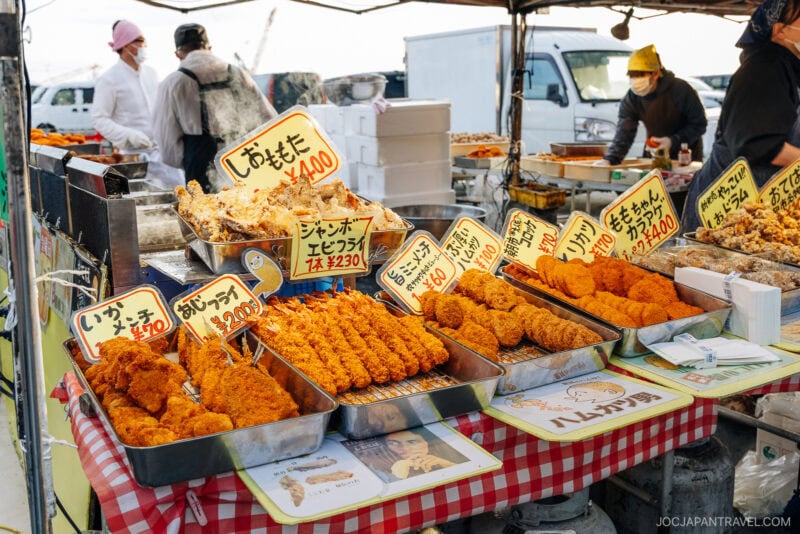
The morning market at Tatehana Wharf runs every Sunday from mid-March to late December. Around 300 stalls open from daybreak until about 9 a.m., but food can sell out quickly, so arriving early is a good idea.
Most stalls serve freshly cooked dishes, while others offer fresh fish, vegetables, and fruits at very reasonable prices. Local idol groups and personalities often perform, making it a lively way to spend your morning.
If you visit in March, April, or October onwards, be sure to bring warm layers—mornings can be chilly even in May. The market stays open in poor weather, though some stalls may close early and there will be fewer vendors.
How to Get to Hachinohe

From Tokyo, Hachinohe is easily reached by Shinkansen. Take the JR East Tohoku Shinkansen Hayabusa from Tokyo Station to JR Hachinohe Station—under three hours and about 15,540 yen one-way (2024).
Alternatively, you can fly to Sendai Airport and transfer to the Shinkansen to Hachinohe, which takes around 1 hour 15 minutes and costs 8,700 yen one-way.
Hachinohe is a bit off the usual tourist trail, so consider making a side trip to the morning market, especially if visiting Aomori for cherry blossom.
Getting to the Market from Hachinohe Station
- By train: Take the JR Hachinohe Line to Mutsu-Minato Station (15 minutes, 210 yen). The market is a 10-minute walk from there.
- By car: Driving is convenient, especially if exploring Tohoku. Free parking is available at the market, though it fills quickly, so early arrival is best.
- By bus: The ISABA Sunday Morning Market Loop Bus connects downtown Hachinohe to the market four times each Sunday morning, offering a convenient and affordable option.
What to Do at Tatehana Wharf Morning Market?
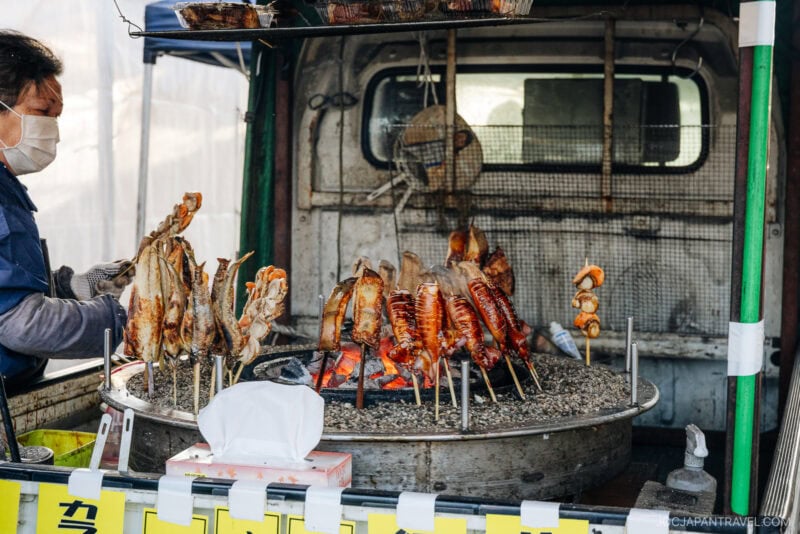
You might think 4 a.m. is far too early to get up, let alone eat, but I quickly forgot my tiredness the moment I arrived. The sights, smells, and sounds hit all at once—yakitori sizzling on the left, freshly shucked oysters on the right.
The market is a sensory overload, and suddenly the biggest decision of the morning is which dish to start your feast with first.
Senbei Jiru

What better way to start than with a Hachinohe classic? Senbei Jiru is a hearty soup of vegetables and nanbu senbei (wheat crackers). Originally eaten on their own, locals began dipping the crackers into a savory dashi broth seasoned with soy sauce, mackerel or chicken, shiitake, carrots, and napa cabbage. The crackers soak up the flavors, creating a comforting breakfast perfect for chilly mornings.
After finishing senbei jiru, the market is your oyster (literally!). There’s no better place to enjoy fresh oysters than right by the sea. Watch for the stall selling steamed oysters, available individually or in sets of four. I thought one would be enough, but I couldn’t resist going back for a couple more because they were just that good.
Chinese Dumplings (Sheng Jian Bao)
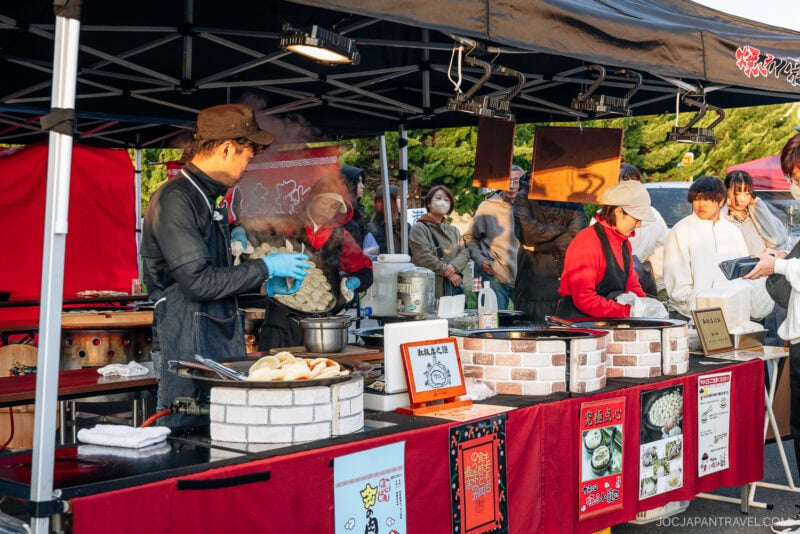
Two stalls immediately caught my eye, mainly because of the queues stretching around the corner. The first was the Chinese Sheng Jian Bao (pan-fried pork dumplings). Okay, it’s not typical Japanese food, but these little parcels of deliciousness are well worth the wait. While in line, you can watch the staff skillfully manage ten massive hot plates full of dumplings.
Inside is a garlicky pork mix that’s so succulent you won’t want to stop. Just be careful—they’re extremely hot! Poke a small hole first to let the juices cool down before taking a bite.
Fried Chicken Wings
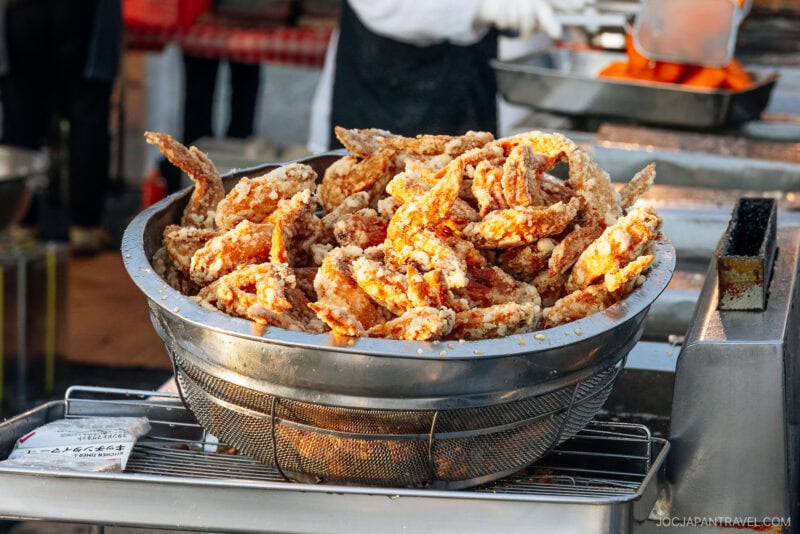
The next stop was a deep-fried stall serving mountains of chicken wings, ebi fry and croquette. Salted chicken wings are one of the market’s specialties, and it’s easy to see why. No wonder people were ordering 10+ to take home!
I grabbed just one (and maybe a couple more for the road). The first bite explained the hype: perfectly salted, crunchy on the outside, and juicy inside. I’d happily return just for these wings.
Still eager to explore, I saved room for a few more dishes and continued wandering the market.
Uni Onigiri

Another must-try is the stall serving rice balls stuffed with fresh sea urchin, grilled and blow-torched over charcoal. The smoky, tender rice paired with the sea urchin’s natural sweetness and briny flavor is simply unbeatable. Seriously, this is probably the most luxurious onigiri I’ve ever had.
Taiyaki Dessert
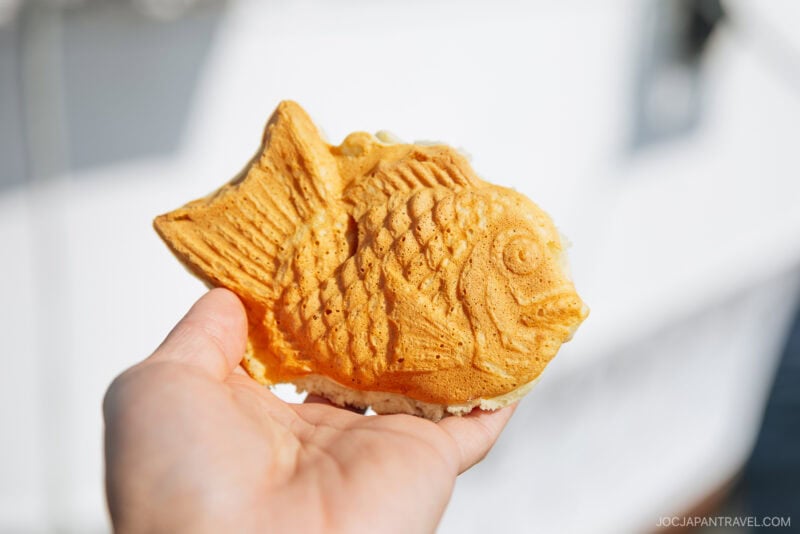
Before leaving, I couldn’t resist stopping at this taiyaki stall. These giant, fish-shaped cakes were piping hot, with a lightly crisp exterior and soft, cake-like interior. The sweet anko filling had just the right amount of sweetness, making it a lovely way to end my visit—and all for just 100 yen!
After indulging in all of Hachinohe’s market treats and catching the sunrise, it’s time to start a day of exploring, though a quick nap might be in order first.
What I loved most about the market was the atmosphere—the bustling stalls, the sizzling sounds of grilling dumplings, the lively chatter between vendors and locals, and the shared excitement of tasting incredible food. If you’re traveling to Tohoku, make sure Hachinohe’s morning market is at the top of your itinerary!
More to Explore Nearby
Hachinohe is the northern Tohoku hub for coastal cuisine and vibrant morning markets. Its location provides easy access to the region’s most famous natural scenery, historical castles, and major cultural centers.
- Hirosaki Castle – Explore this famous Aomori castle, one of the few original keeps remaining in Japan, set within a beautiful park renowned for cherry blossoms.
- Oirase Stream and Lake Towada – Journey to this spectacular river valley known for its lush forests, waterfalls, and crystal-clear stream leading to a massive caldera lake.
- Matsushima Bay – Visit this coastal area of Miyagi Prefecture to see one of Japan’s most celebrated scenic views: hundreds of tiny, pine-covered islands dotting the calm bay.
- Sendai City – Explore the largest city in the Tohoku region, known for its wide, tree-lined avenues, historical sites, and delicious local cuisine like beef tongue (gyutan).