

This post may contain affiliate links. Please read our disclosure policy.
Experience Niseko in autumn, where fall colors paint the mountains, Hokkaido’s local flavors delight your palate, and stylish hotels offer a refined retreat.
Niseko is one of Japan’s finest ski resorts, blending traditional Japanese culture with modern luxury. While many visitors come for the powder snow in winter, the area remains largely undiscovered in the off-season. From scenic autumn drives to food festivals, there’s plenty to enjoy in Niseko beyond skiing and snowboarding.
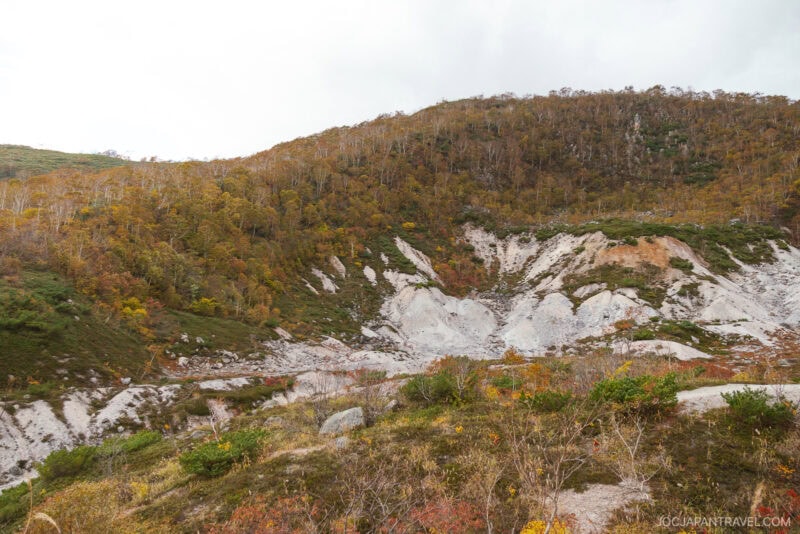
From late September to mid-October, the landscape transforms into a sea of crimson and gold. It’s a breathtaking time to see koyo (紅葉), Japan’s famous autumn foliage.
In this guide, I’ll show you why visiting Niseko in the fall is so rewarding.
Why is Niseko so Popular?
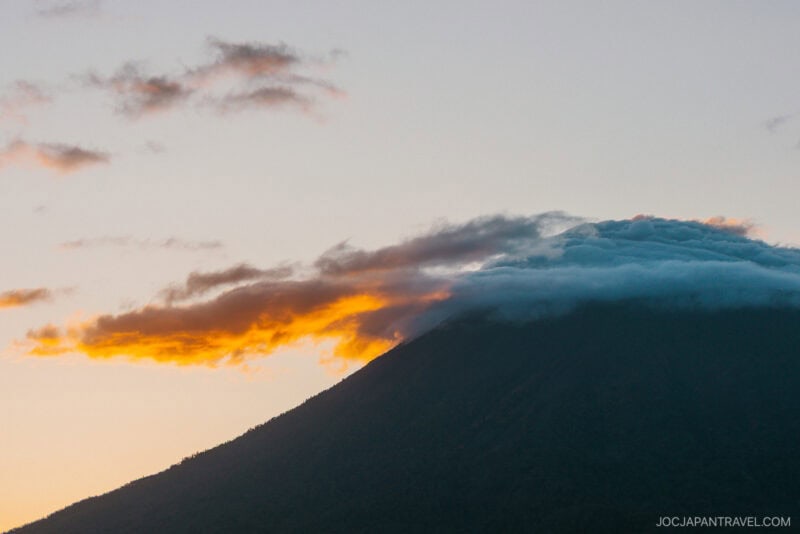
Niseko is made up of several areas—Annupuri, Hirafu, Hanazono, and Niseko Town—with nearby Kutchan just a short drive away. The region is defined by the majestic Mount Yotei (1,898 meters), often called the “Mount Fuji of Hokkaido.”
Niseko’s fame began with its world-class powder snow. Once a domestic hotspot for winter sports, it started attracting global attention in the 1990s. As international visitors poured in, new developments transformed the area into the luxury resort destination it is today.
Hirafu remains the heart of Niseko, where visitors can ski on Mount Niseko Annupuri and enjoy a lively nightlife scene. The area first drew Australian travelers, but it now welcomes people from all over the world.
Over time, the popularity has driven up accommodation prices, making it less accessible for some. But during the off-season, Niseko becomes quiet again, and offers the same beautiful surroundings and luxurious stays at a fraction of the cost.
How to get to Niseko
Car
There are two main routes from Sapporo. The first goes south through Jozankei and Nakayama Pass to Makkari Town—a stunning mountain drive that takes about one hour and 45 minutes.
The second route runs through Otaru and then down to Niseko, taking about one hour and 30 minutes. This is a great option if you want to stop and enjoy Otaru’s seafood and charming canal views.
I personally prefer the Nakayama Pass route for its scenic mountain views.
Train
From Sapporo Station, take the Hakodate Line’s Niseko Liner Rapid toward Kutchan. The trip takes about 2 hours and 20 minutes and costs 2,100 yen one way. Depending on the schedule, you may need to transfer at Otaru Station.
A new Shinkansen line is under construction and is expected to be completed by 2031.
Bus
You can also catch the Chuo Bus to Niseko Ikoi no Yuyado Iroha from the clock tower just south of Sapporo Station. The journey takes just under three hours and costs 2,130 yen.
Public transportation around Niseko is limited, so renting a car is the most convenient option for exploring the area.
ICOR Niseko
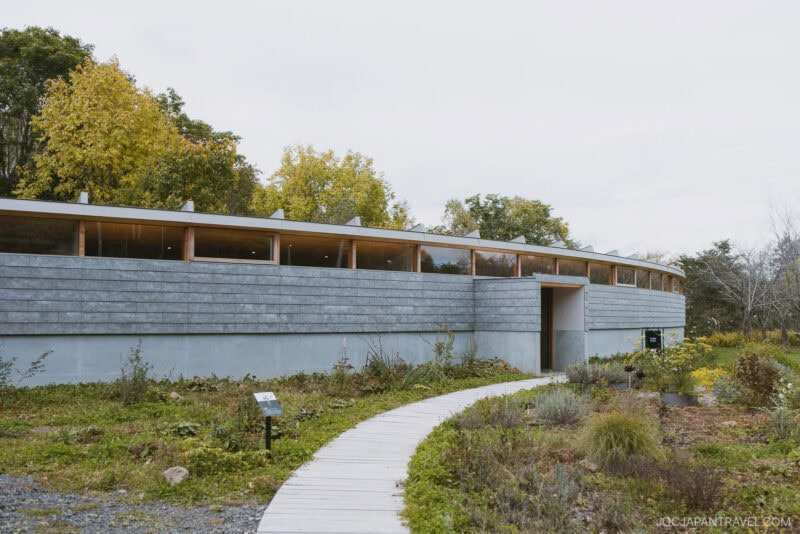
After a one-and-a-half-hour drive from Sapporo, I stopped for a short break at ICOR Niseko, a modern, stylish space designed by Go Hasegawa.
ICOR is a beauty care brand that uses snowmelt water from Mount Yotei and Hokkaido’s natural ingredients. The shop’s sleek interior displays their full product range, including items only available here. Next door, a café serves beauty-conscious snacks and drinks.
Although the concrete exterior contrasts with the lush surroundings, the wood beams and curved lines give it a natural warmth. Delicate net partitions let the cool breeze and sounds of the nearby river flow through the space. On clear days, the nets are removed, creating an open, airy connection with nature.
I ordered prune juice and an iced café latte as refreshers for my mid-drive stop.
Niseko Michi-no-Eki
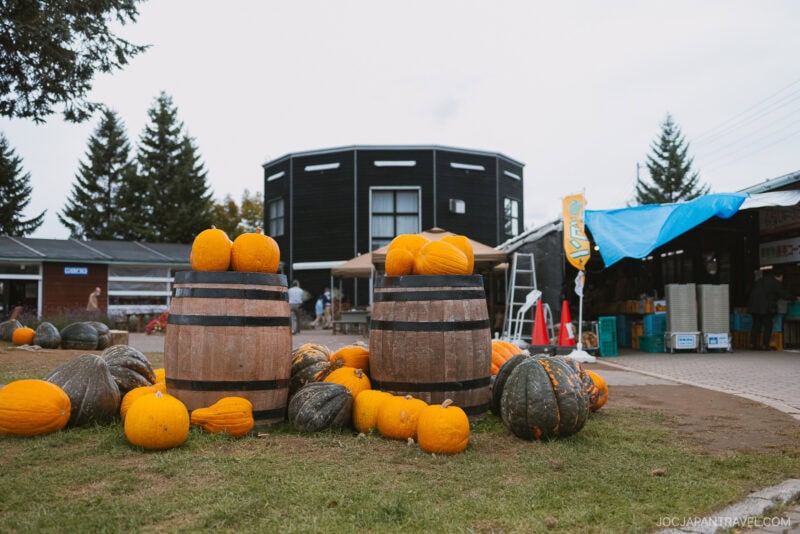
Just nearby is Niseko’s michi-no-eki (roadside station), one of many found throughout Japan. These rest stops often feature local products, produce, and small eateries.
Here, you’ll find a lively farmer’s market showcasing Niseko’s famous potatoes. The rich volcanic soil and melted snow make the land ideal for farming. During winter, potatoes rest under deep snow, which activates enzymes that enhance their sweetness.
Around the michi-no-eki, you’ll also find a gelato shop, bakery, organic café, and several small local businesses worth exploring.
Hozuki Udon
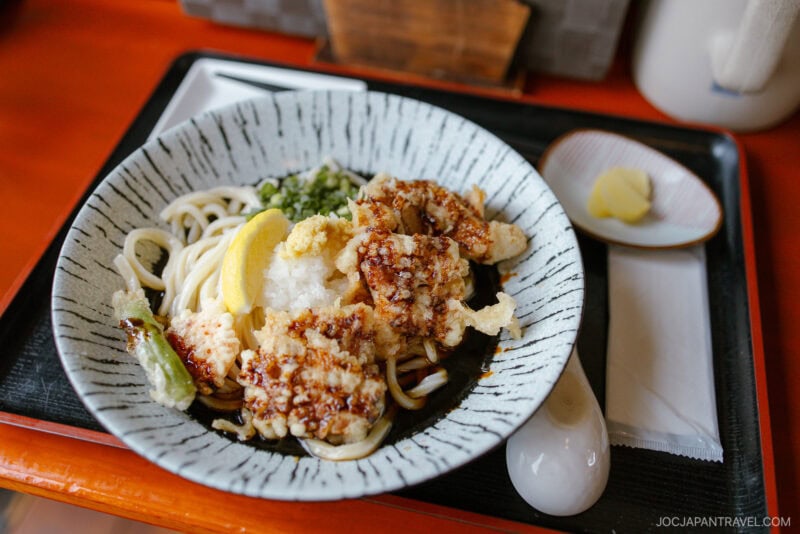
When lunchtime came around, a friend who lives in Niseko recommended Hozuki Udon, a small, cozy restaurant located at the base of Mount Yotei.
One of their signature dishes is the Toriten (chicken tempura) Bukkake Udon, priced at just 950 yen (about $6.50 USD). You can upsize for only 100 yen more!
The toriten was crispy on the outside and juicy inside, coated in a sweet and savory glaze. The cold udon noodles were served with a house-made dashi broth, shishito and carrot tempura, grated daikon, and scallions.
Each noodle had the perfect bite and soaked up the flavorful broth beautifully.
Hozuki Udon turned out to be one of the best-value—and best-tasting—udon meals I’ve ever had in Japan.
Quick Stop in Kutchan Town
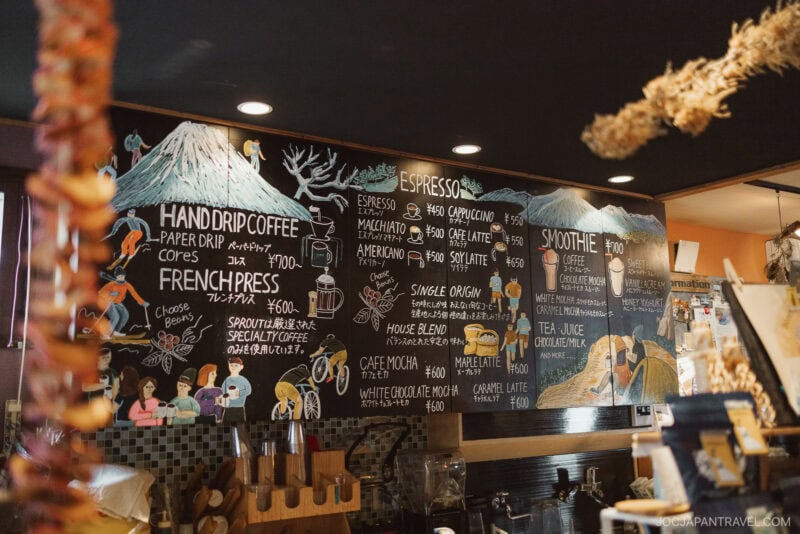
Just five minutes down the road from Hozuki Udon is Kutchan Town, where you’ll find supermarkets, shops, and plenty of restaurants. One of my favorite stops there is Sprout, a cute café located right next to Kutchan Station.
Beside the café is a small organic shop selling spices, herbs, nuts, and other natural ingredients. With Niseko’s growing international community, it’s easy to find specialty items and cuisines from around the world that are often unavailable in Sapporo.
I grabbed a coffee from Sprout before continuing my drive through the mountains.
Shinsen Numa Marsh
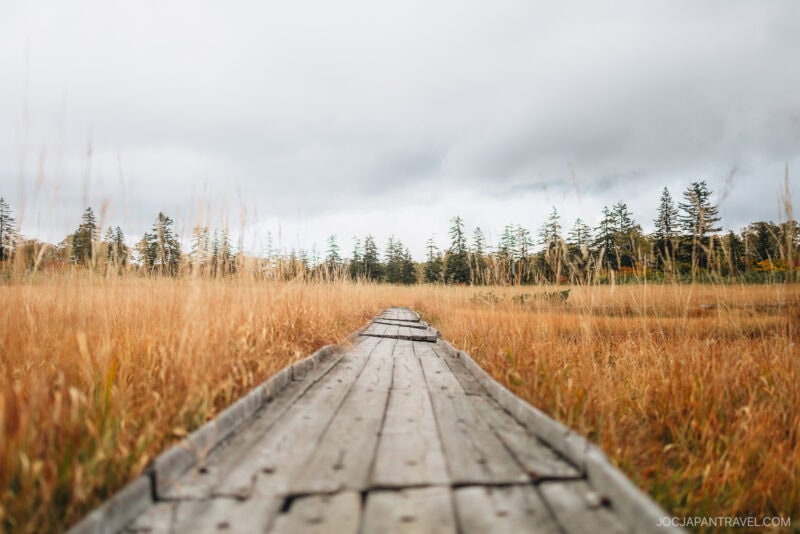
Next, I headed to Shinsen Numa Marsh to see Niseko’s autumn colors. This “mystical marsh,” as its name translates, is said in folklore to be home to gods and forest spirits.
The drive up winds deep into the mountains, with stunning views along the Niseko Panorama Line. Before reaching the marsh, there’s a rest stop at Goshiki Onsen where you can pause to take in the scenery.
Near the trailhead, you’ll find a small log cabin café and an observatory with views overlooking Iwanai City and the Sea of Japan. From there, a narrow wooden boardwalk leads you into the wetlands.
As I made my way along the trail, the marsh opened up to a dreamlike view, painted with the vibrant reds, yellows, and golds of autumn. On my way back, the clouds parted, revealing a clear sky and warm afternoon sun—a perfect autumn moment in Niseko.
Niseko Takahashi Dairy Farm MILK KOBO
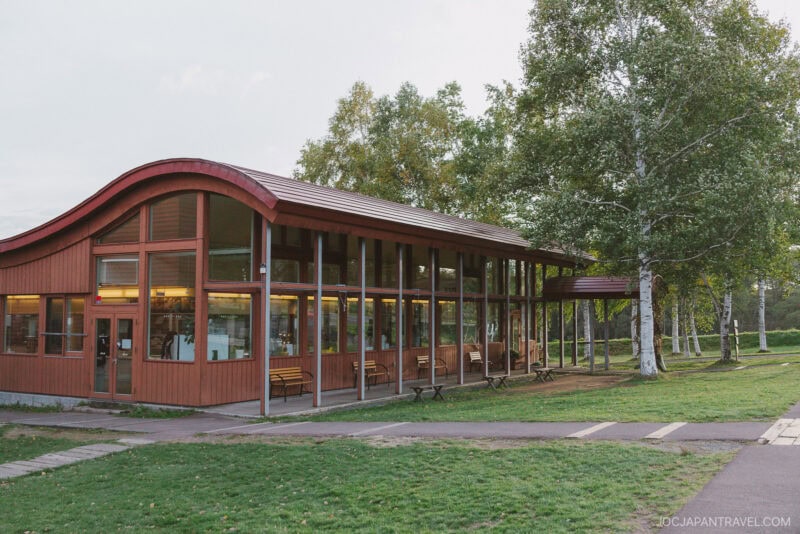
One of Niseko’s most popular spots is Takahashi Dairy Farm MILK KOBO. The story of Milk Kobo began in 1970, when Mamoru Takahashi started his dairy farm. Two decades later, when milk prices collapsed, the family pivoted from farming to creating their own dairy products.
They began by making ice cream and cream puffs, which became instant hits. Over time, Milk Kobo grew into the thriving destination it is today.
Here you can enjoy fresh soft serve, gelato, and an assortment of dairy products. The grounds also feature a cake and chocolate shop, a vegetable market, and a craft store.
There are two restaurants: Prativo, which offers a buffet highlighting local produce, and Mandriano, a pizza restaurant with its own cheese factory.
The farm is surrounded by wide open fields and seasonal flowers, with Mount Yotei rising majestically in the background.
Hangetsu Lake and Niseko Autumn Food Festival
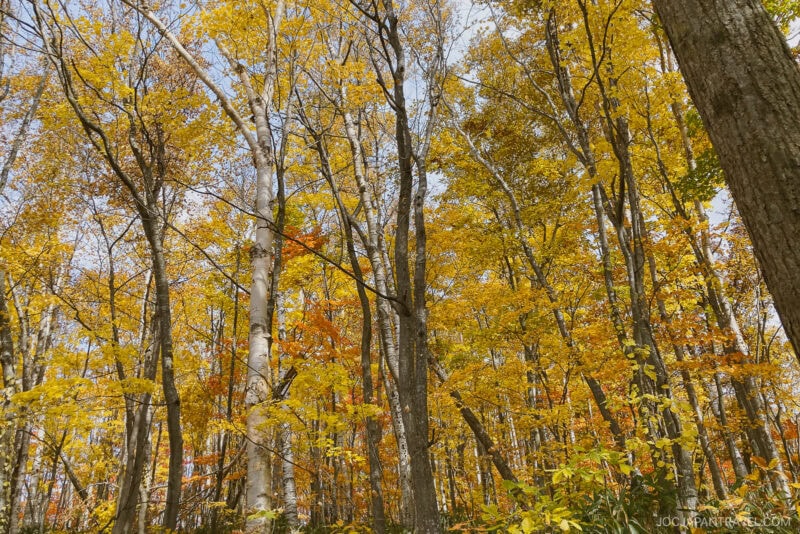
Although I couldn’t visit Hangetsu Lake this time, it’s another favorite stop for viewing autumn foliage. The name means “Half Moon Lake,” reflecting its crescent shape. Surrounded by dense forest, it’s great for a short hike and offers beautiful views of Mount Yotei.
If you visit in mid-September, don’t miss the Niseko Autumn Food Festival. Over a dozen of Niseko’s top restaurants gather to celebrate the season’s harvest with food, drinks, live music, and dancing.
I actually worked in Niseko and helped at the festival back in 2018. It remains one of my favorite memories from my time there.
For those looking for more adventure, Niseko also offers mountain biking, rock climbing, and rafting along the Shiribetsu River.
Setsu Niseko
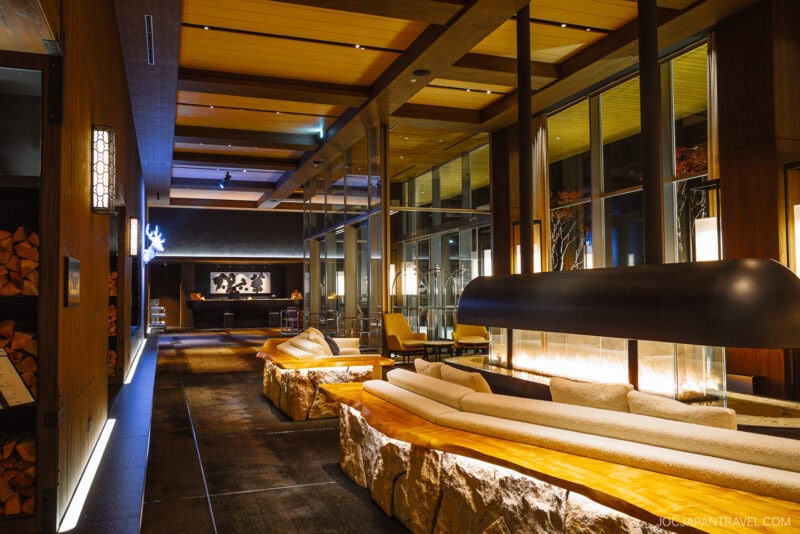
Around Hirafu, you’ll find countless hotels, lodges, and condominiums. One of the reasons I love visiting Niseko in the off-season is that these accommodations are far more affordable than in winter. With fewer crowds, you can fully enjoy the peace and beauty of the surrounding nature.
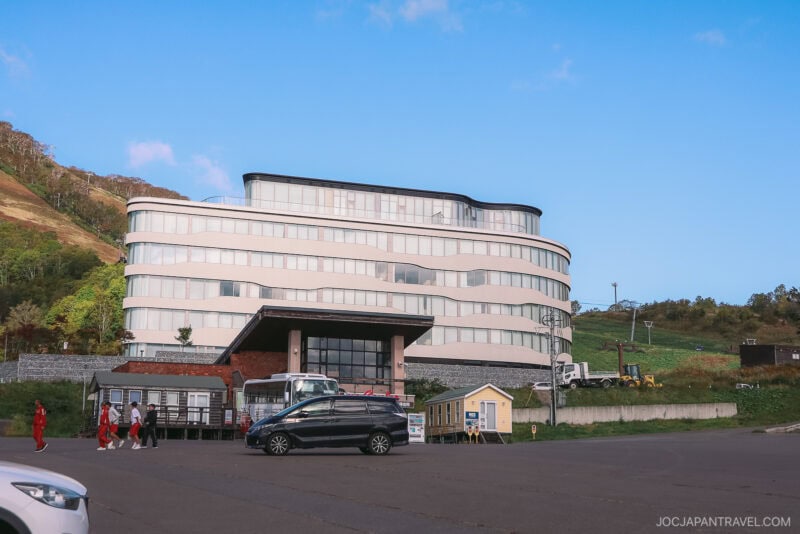
Setsu Niseko is one of the newer hotels, fusing contemporary architecture with Japanese tradition. My room had a kitchen, fridge, and washing machine, making it perfect for a longer stay. From the balcony, I had an unobstructed view of Mount Yotei, which was magical at night under the stars.
The room doesn’t have a bathtub, as the hotel encourages guests to enjoy the onsen. At check-in, you can also reserve one complimentary private onsen session.
Food Options Nearby Setsu Niseko
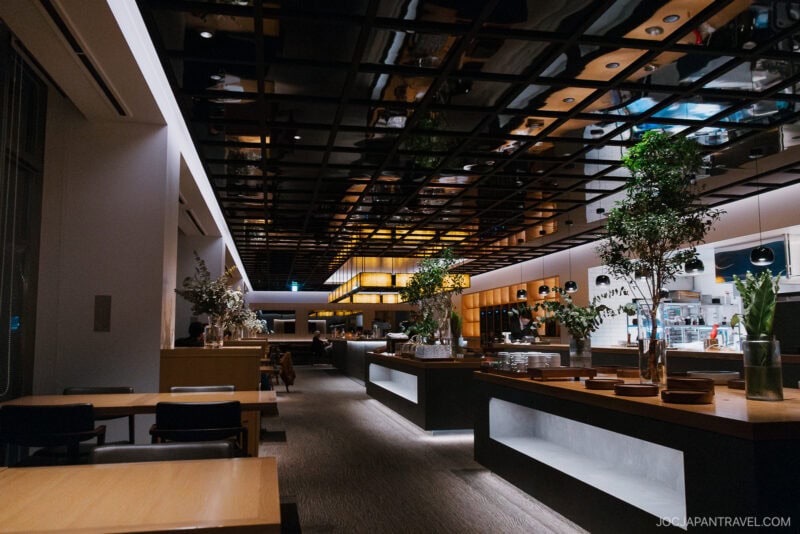
Nearby, there are several dining options. You’ll find Ramen Afuri, a popular Tokyo-based ramen shop, and Tempura Araki, the sister restaurant of a two-Michelin-star establishment in Sapporo.
I chose méli mélo, a European-style restaurant that highlights locally sourced produce. The interior is intimate and stylish, with glass windows offering glimpses of Mount Yotei.
For dinner, I enjoyed deep-fried Niseko potatoes, a fresh garden salad, braised oxtail ragu pasta, and Hokkaido wagyu rump steak with horseradish and kale.
In the morning, I woke early to watch the sun slowly rise behind Mount Yotei. The buffet breakfast at méli mélo offered a mix of Japanese and Western dishes and was one of the best breakfast experiences I’ve had in Japan.
Final Thoughts on Autumn in Niseko
That was my autumn adventure in Niseko! There’s so much to see and do, and I recommend staying for a couple of days to fully enjoy it.
Niseko doesn’t lose its magic when winter arrives. The region transforms into a sparkling wonderland, perfect for skiing, snowboarding, and all kinds of winter adventures. If you want to see Niseko in its snowy glory, check out my guide to Must-Try Winter Activities in Niseko for tips and inspiration.
More to Explore Nearby
Niseko is world-famous for its incredible powder snow, attracting skiers and snowboarders globally, but its central location also places it near Hokkaido’s major cultural, historical, and culinary centers.
- Sapporo City – Head to the major regional hub of Hokkaido to explore its vibrant downtown, famous beer gardens, and seasonal events like the renowned Snow Festival.
- Otaru Canal Area – Visit this beautiful port city, known for its preserved historical buildings, iconic gas lamps, and delicious seafood restaurants lining the picturesque canal.
- Furano and Biei – Drive east to witness the stunning seasonal beauty of vast, colorful flower fields and gentle rolling hills that define the agricultural landscape of central Hokkaido.
- Asahikawa Ramen Village – Journey north to the second-largest city in Hokkaido to sample the city’s famous soy-sauce-based ramen at eight different specialized shops housed in one convenient location.


