This post may contain affiliate links. Please read our disclosure policy.
Experience the magical world of Hayao Miyazaki’s famed Studio Ghibli films in real life at the new Ghibli Park in Nagoya!
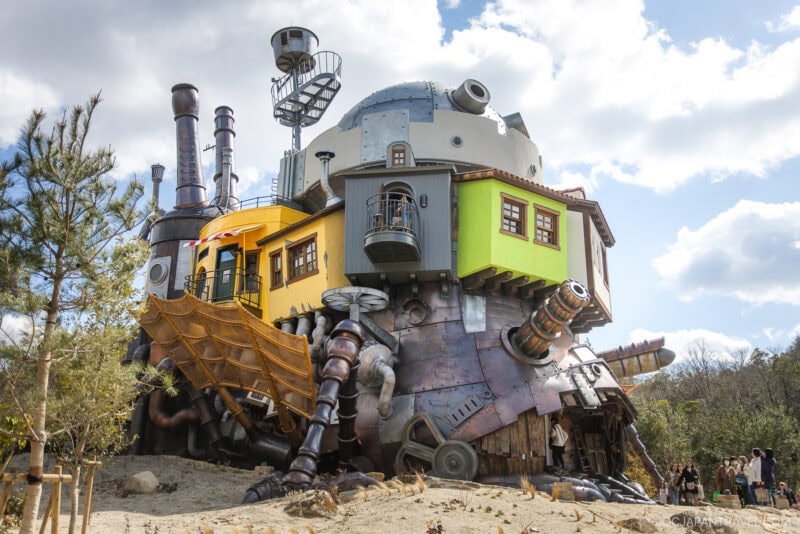
If you, like me, grew up discovering Hayao Miyazaki’s films, you know how Studio Ghibli can spark a little corner of your imagination. The storytelling, the artistry, and the sheer beauty of these films have touched hearts all over the world. I always thought those magical worlds existed only on screen, but now with the new Studio Ghibli theme park, you can experience it in real life!
Since opening in November 2022, the park has brought beloved scenes to life. You can explore mystical castles, climb aboard massive flying ships, ride a cat bus, meet the friendly Totoro and characters from Cat Bureau, and savor sweet treats while reliving your favorite movie moments.
How to Get to Ghibli Park
Ghibli Park is located in Nagakute City, Aichi Prefecture, just outside Nagoya, so it’s easy to reach by train. From Nagoya Station, take the Higashiyama Subway Line to Fujigaoka Station, then switch to the overground Linimo Line to Aichikyuhaku Kinenkoen Station. The station is right in front of the north entrance of the Expo 2005 Aichi Commemorative Park, also known as Moricoro Park, where the park is located. A one-way train ride costs 670 yen and takes about 55 minutes.
If you prefer a direct route, you can also take a bus from Meitetsu Bus Center to the park entrance. It costs 1,000 yen and takes roughly 40 minutes, but there are fewer departures compared to the train.
Moricoro Park itself has plenty to enjoy beyond Ghibli Park, including a Japanese-style garden, an ice-skating rink, and a Ferris wheel.
Tips Before Visiting Ghibli Park
Visiting Ghibli Park could be a once-in-a-lifetime experience, so a little planning goes a long way. Here are some tips from my experience.
Booking in Advance
The Ghibli Park website has an international section in English that explains ticket types and access. The park is divided into five areas:
- Ghibli’s Grand Warehouse
- Hill of Youth
- Dondoko Forest
- Valley of Witches
- Mononoke Village
A standard day pass gives access to all five areas. On weekdays, it costs 3,500 yen for adults and 1,750 yen for children. On weekends, it rises to 4,000 yen and 2,000 yen. Infants aged 0–3 enter for free.
Premium Day Pass for the Ultimate Experience
In addition to the five areas, the premium pass grants entry to five special buildings: World Emporium, Satsuki and Mei’s House, The Okino Residence, Howl’s Castle, and The House of Witches.
Photos and videos aren’t allowed inside, but each building beautifully brings movie scenes to life.
The pass costs 7,300 yen for adults and 3,650 yen for children on weekdays, rising to 7,800 yen and 3,900 yen on weekends. Infants 0–3 still enter free.
Tickets go on sale two months in advance and sell out quickly, so plan ahead. When purchasing, you’ll also choose a specific entry time for the Grand Warehouse, so keep that in mind when organizing your day.
Get There Early
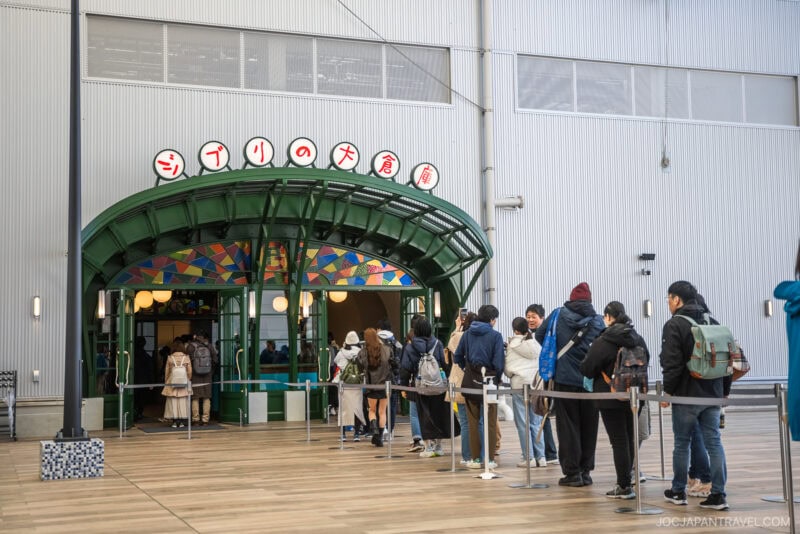
On weekdays, Ghibli Park opens at 10 am, and on weekends, it opens an hour earlier at 9 am. I highly recommend arriving as early as possible to avoid long lines. When I visited on a weekday and got there at 10 am, the wait to enter the Grand Warehouse was already 30 minutes.
If you want a photo with No Face from Spirited Away, be aware that the line can stretch up to two hours. It’s a fun experience, but it can take a big chunk of your day, so plan accordingly.
Wear Comfortable Clothing
The attractions are spread across Expo Park, and some areas require climbing stairs. Comfortable shoes are a must for walking. Free shuttle buses run throughout the park, but they’re often crowded, so walking can be faster and more enjoyable.
There is a bus connecting Mononoke Village and Dondoko Forest. Tickets are sold at each stop and cost 1,000 yen for adults and 500 yen for children.
Ghibli’s Grand Warehouse
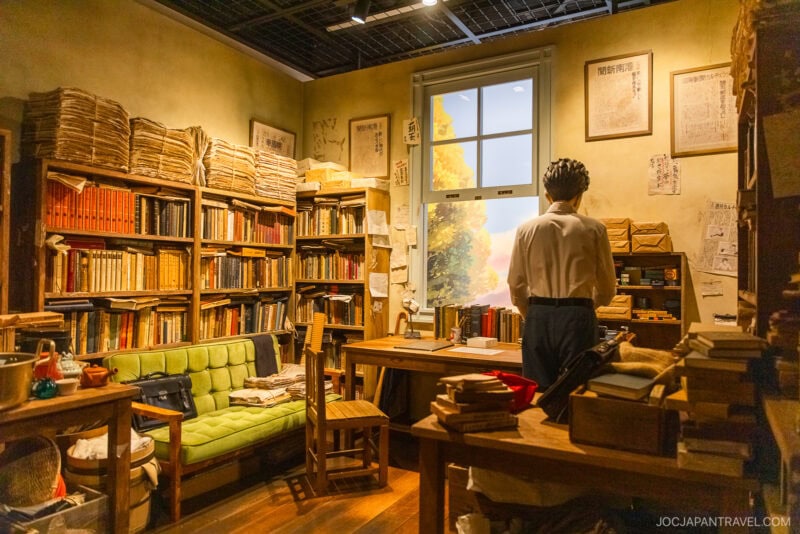
Recommended Time: 2-3 hours
The Grand Warehouse is the park’s main attraction, with a specific entry time you choose when booking. You must enter within an hour of that time, and re-entry is not allowed.
From the north entrance, you’ll see an elevator tower inspired by Laputa: Castle in the Sky and Howl’s Moving Castle. You can use the elevator or take the path alongside it. Once you descend, the Grand Warehouse will be on your right.
Inside, the warehouse is packed with spectacular displays from all your favorite Ghibli films. The central courtyard features colorful mosaic tiles and the Giant Flying Ship from Laputa: Castle in the Sky floating above.
Featured Movie Scenes
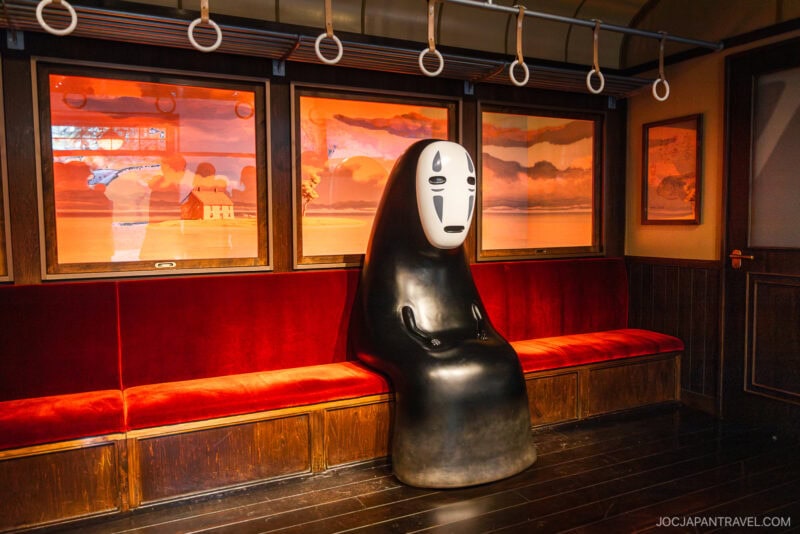
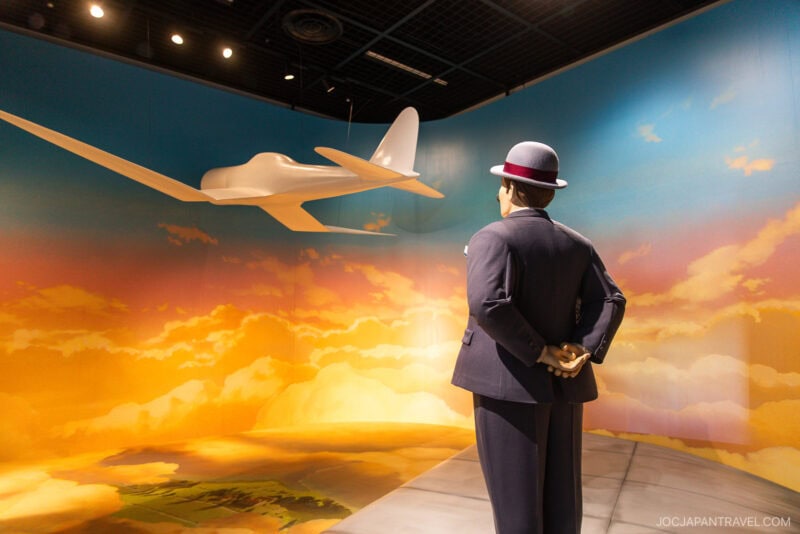
The warehouse includes 14 scenes from 13 films. Highlights include the train scene with No Face, a life-sized Laputian Robot (previously only seen at the Tokyo Ghibli Museum in Mitaka), and a small recreation of Arrietty’s world.
Photo opportunities abound, but expect lines for the most popular spots. Each display is rich with details, so take your time exploring and spotting hidden references.
Tip: If you want to experience the rest of the park at a leisurely pace, you may want to skip the No Face photo, as the line can stretch up to two hours.
Climb the stairs from the central courtyard to find a small theater showing two exclusive Ghibli films: Mr. Dough and the Egg Princess and Koro’s Big Day Out. These are worth seeing, as they aren’t available elsewhere.
On the far side, Minami-machi is a nostalgic shopping street filled with exclusive Ghibli goods like cards, models, and themed souvenirs. Next door, the milk stand offers Siberia Sponge Cake from The Wind Rises and a refreshing glass bottle of milk.
Transcontinental Flight Cafe

For a break, the Transcontinental Flight Cafe in the southern section serves sandwiches, drinks, and snacks. The options are standard theme park fare—nothing extraordinary, but convenient for a quick stop.
Hill of Youth
Recommended Time: 30 minutes
To the left of the elevator tower is the Hill of Youth, dedicated to Whisper of the Heart. Enter from the back into The Rotary, a faithful recreation from the film.
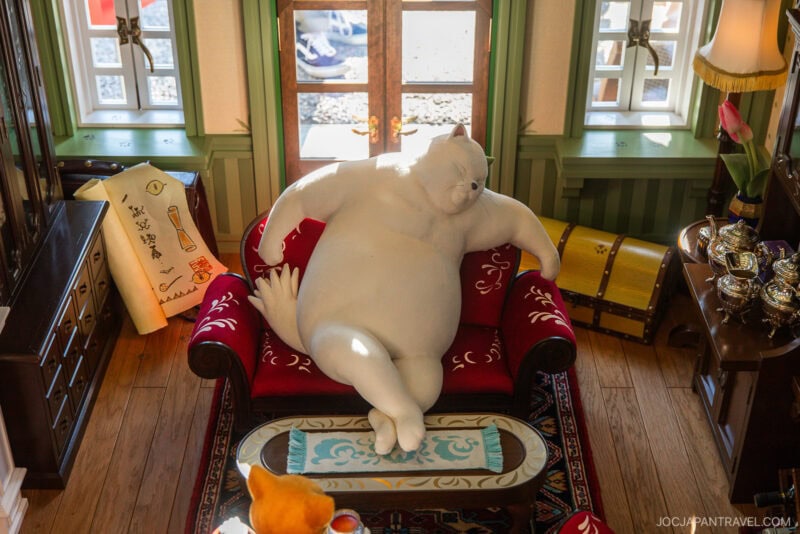
Here you’ll also find the Cat Bureau from The Cat Returns, along with characters like Muta and Baro.
The World Emporium is a detailed replica of Nishi’s antique shop. Inside, you’ll find a variety of antiques just like in the film, and a clock that chimes and plays music periodically. You can even write a postcard and drop it in the postbox outside.
Downstairs, the violin workshop is equally impressive, evoking the feeling that everyone is about to burst into Country Roads in unison.
Dondoko Forest

Recommended Time: 1 hour
On the eastern side of the park, Dondoko Forest lets you step into the world of My Neighbor Totoro. Along the way, you can take a break at Dondoko-dokoro for a snack or drink.
At the entrance, a set of stairs leads up to Dondoko-do, where a giant 5-meter Totoro awaits. Children under 12 can climb inside, making it a perfect photo spot.
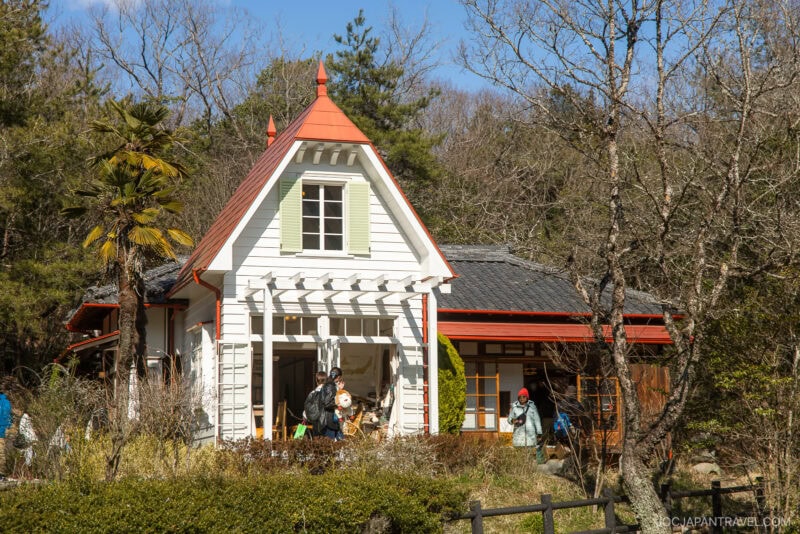
Premium pass holders can visit Satsuki and Mei’s House. You can take photos from the outside, but entry inside is restricted.
Totoro is one of my favorite films, and the house is incredibly immersive. You can interact with the ornaments, water pumps, cupboards, and wardrobes.
The father’s office was particularly impressive, filled with meticulously arranged books, papers, and stationery that capture the feel of the film. Outside, cross the bridge to a small island where Satsuki and Mei planted the acorn given to them by Totoro.
Valley of Witches
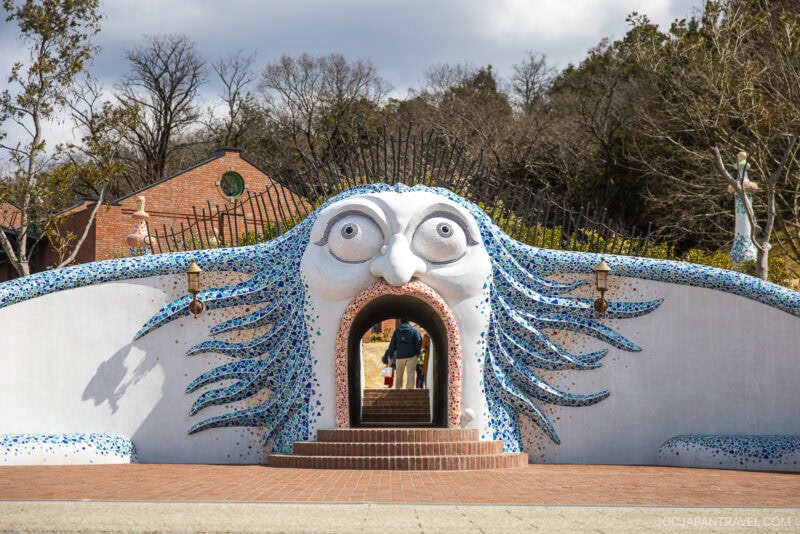
Recommended Time: 1-2 hours
Valley of the Witches, inspired by Kiki’s Delivery Service and Howl’s Moving Castle, opened on March 16, 2024, and is the park’s most elaborate and magical area.
The first main stop is The Okino Residence, where Kiki lived before leaving to train as a witch. Outside, you can pose with brooms for a whimsical photo. Inside, the witch’s shop is adorned with hanging flowers, and Kiki’s room on the second floor is full of tiny details.
Howl’s Castle is accessible only to premium pass holders and is a must-visit. From the living room and Calcifer’s furnace to Howl’s bedroom filled with ornaments, the attention to detail makes you feel like you’re living inside his castle.
For a sweet treat, head to Guchokipanya Bakery from Kiki’s Delivery Service. Original breads and sets are available, but queues can last an hour.
The area also features a charming carousel decorated with Ghibli characters, accompanied by classic film music.
Mononoke Village
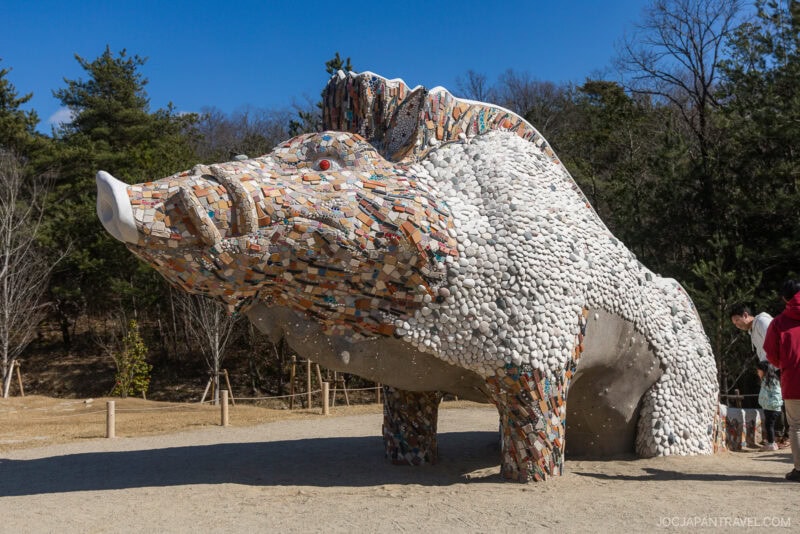
Recommended Time: 30 minutes
Mononoke Village is the smallest area and, honestly, the most lackluster area of the park. It portrays the world of Princess Mononoke as a rural landscape from the Muromachi period (1336–1573).
However, there was a lack of display and immersion compared to the other spaces. You can find a slide sculpted as Lord Okkoto and a Demon Spirit statue.
There’s a small shop selling exclusive treats and drinks, and at the back, there’s a mochi-making experience available for an extra fee.
As a long-time admirer of Hayao Miyazaki’s work, visiting Ghibli Park felt incredibly special. Even amid the crowds, I was transported into the magical worlds he created, and the memories linger long after leaving. It’s a whimsical, immersive escape that fans of all ages will cherish.
Is visiting Ghibli Park on your bucket list? What are you most excited to see?
More to Explore Nearby
Ghibli Park is located just outside Nagoya City in Aichi Prefecture, placing it at the heart of Japan’s Chubu region. After immersing yourself in the magical world of Studio Ghibli, the surrounding area offers a perfect blend of rich samurai history, modern shopping, and unique regional culture.
- Nagoya Castle – Visit one of Japan’s most important castles, renowned for its golden shachihoko (tiger-fish) ornaments and its restored Honmaru Palace, showcasing the grandeur of the Tokugawa family.
- Tokugawa Art Museum and Garden – Explore the treasures of the powerful Owari branch of the Tokugawa clan, including samurai armor, lacquerware, and scrolls, followed by a tranquil stroll through the adjacent, classical garden.
- Atsuta Jingu Shrine – One of Japan’s most revered Shinto shrines, this spiritual site is said to house the sacred Kusanagi-no-Tsurugi (Grass-Mowing Sword), one of the Imperial Regalia of Japan.
- Sakae Shopping and Entertainment District – Dive into the modern side of Nagoya. This bustling downtown area offers department stores, unique architecture like the Oasis 21 bus terminal, and countless restaurants to sample local cuisine like miso katsu and tebasaki chicken wings.